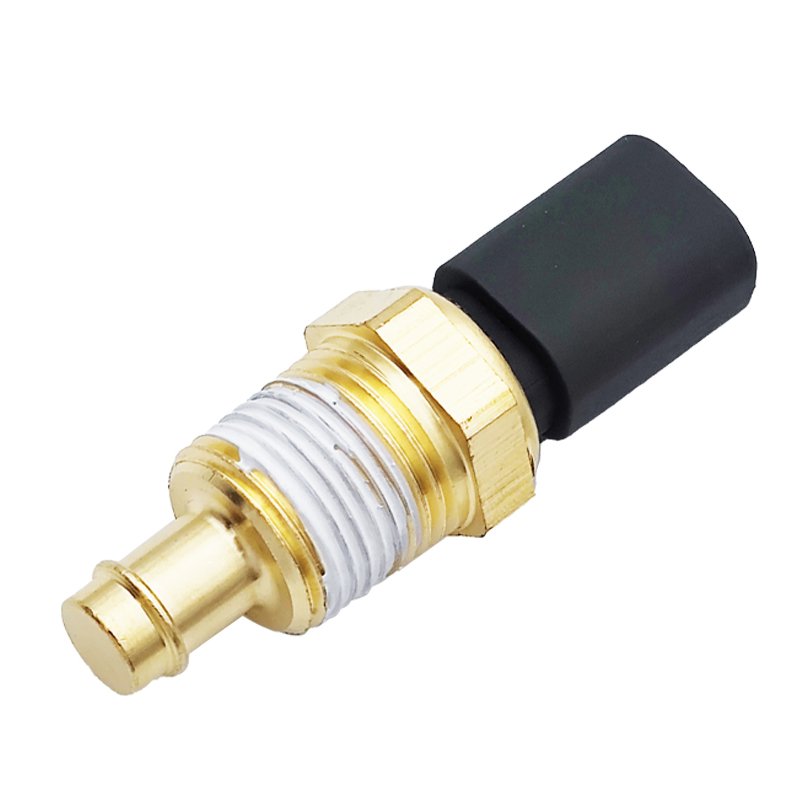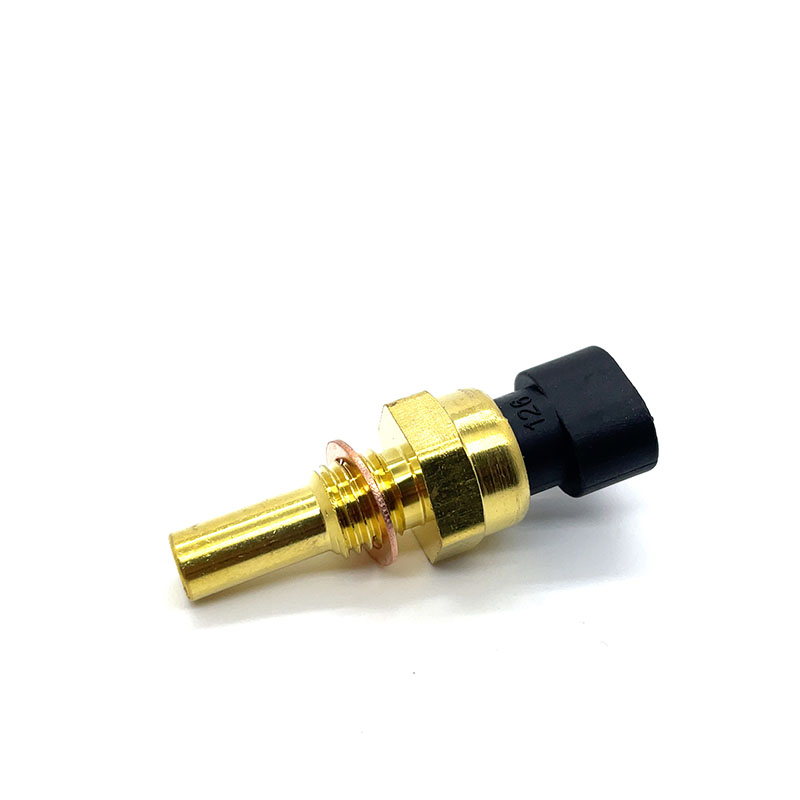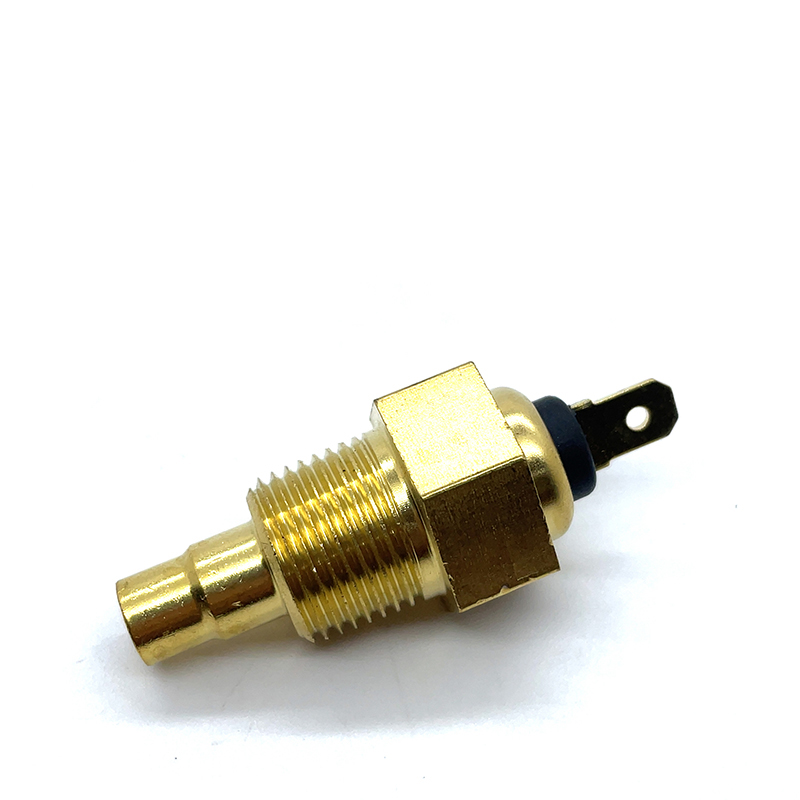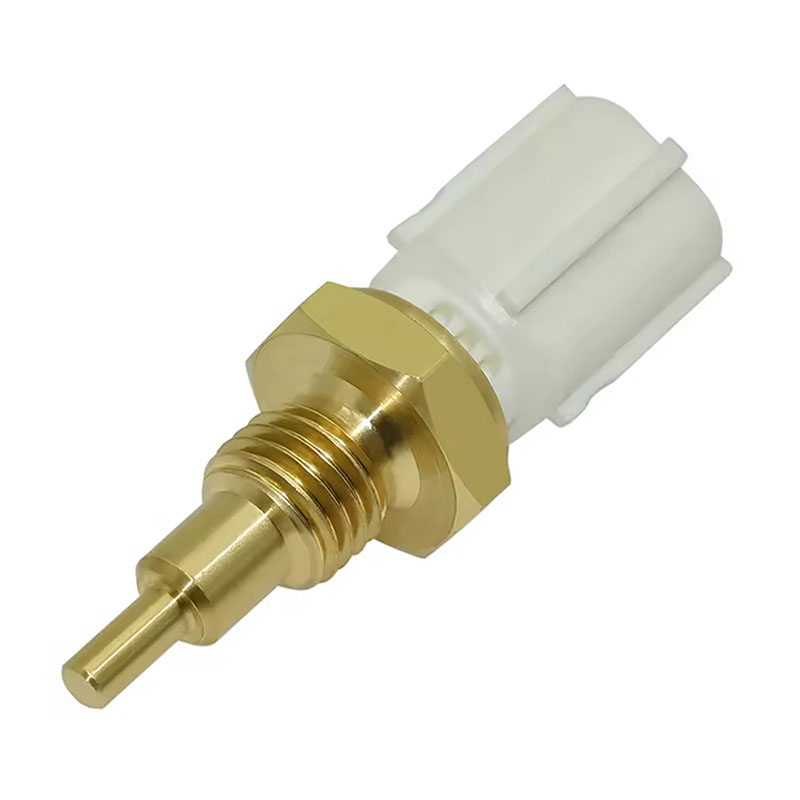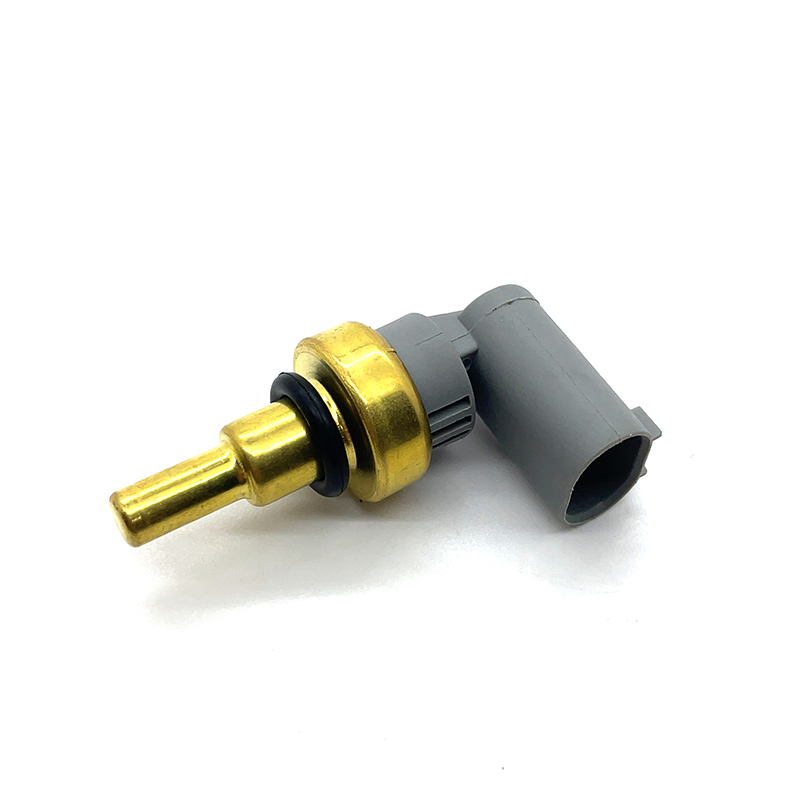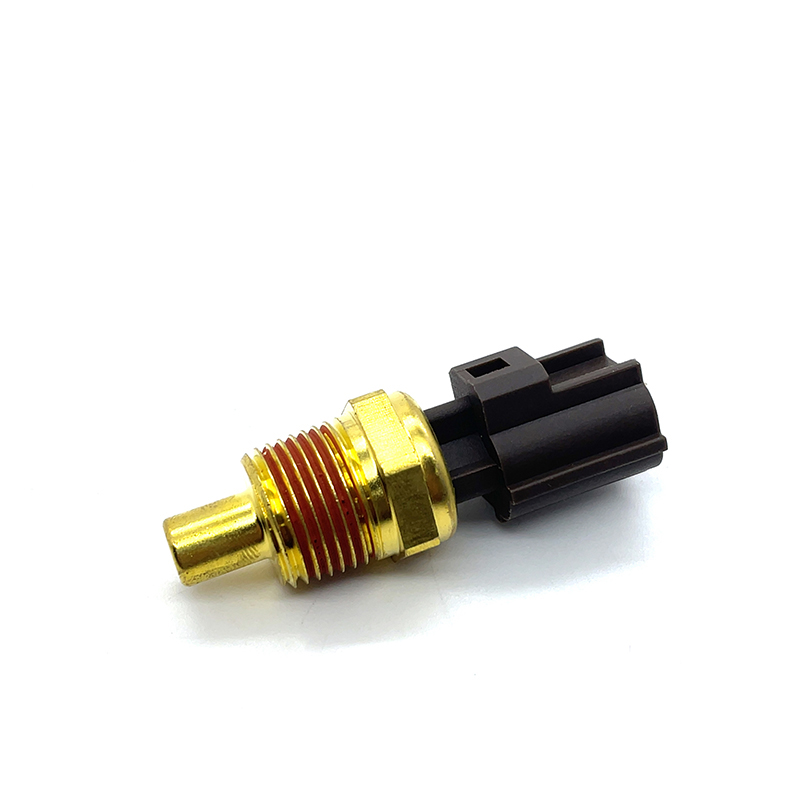
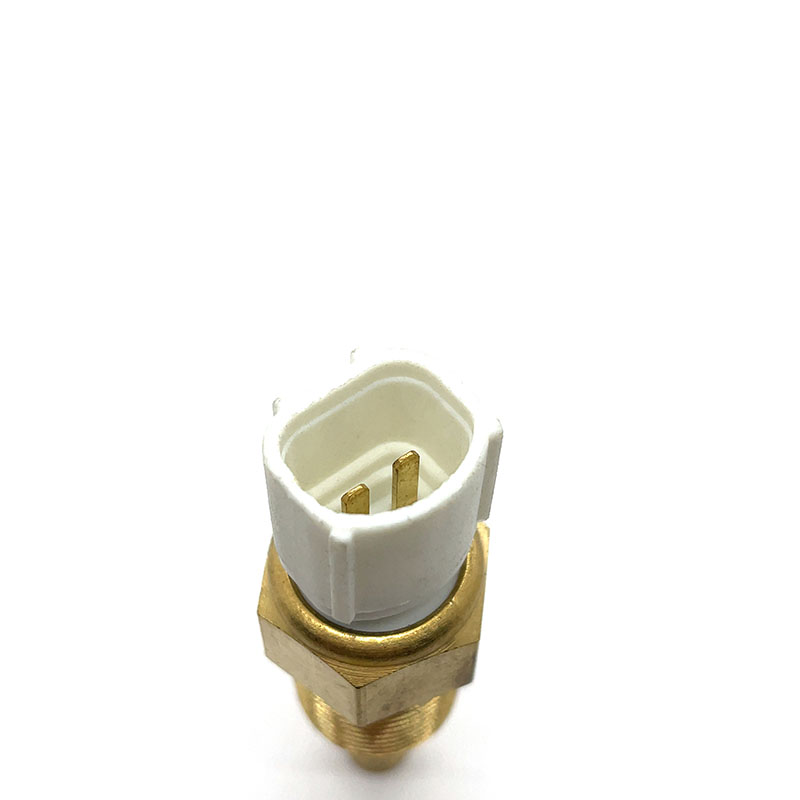
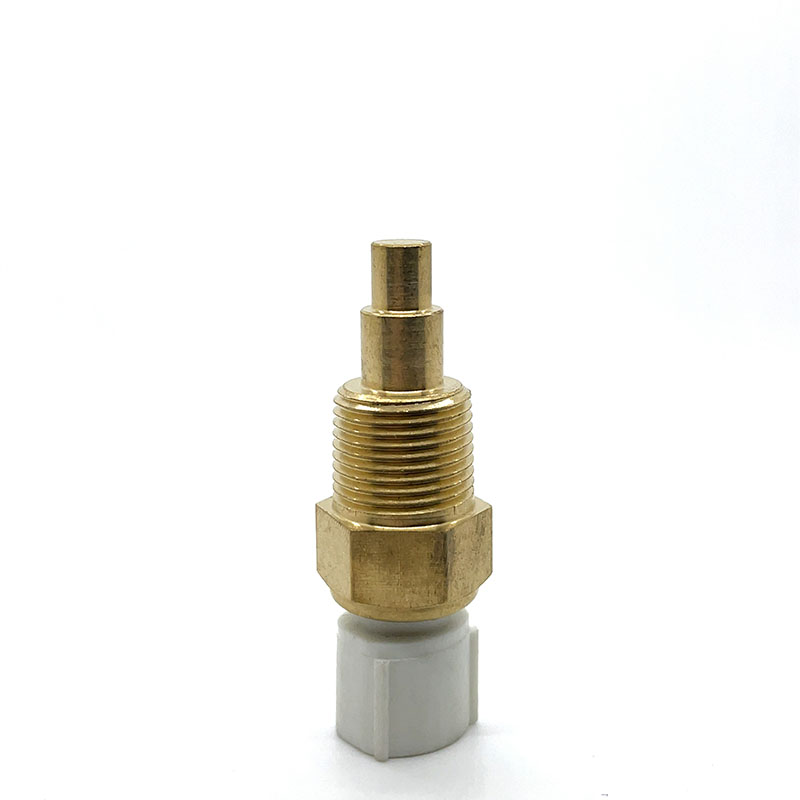
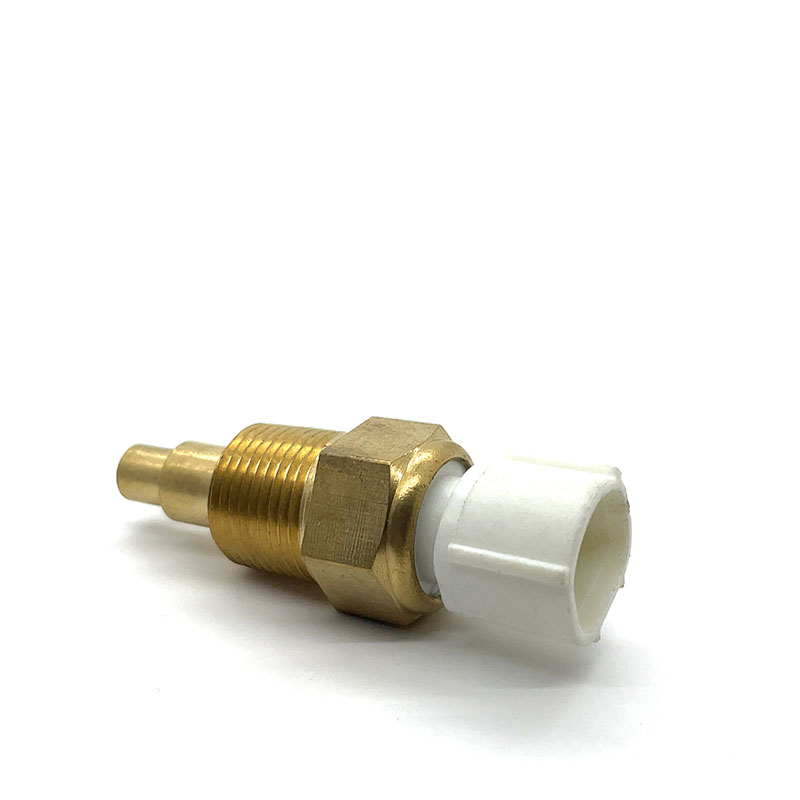
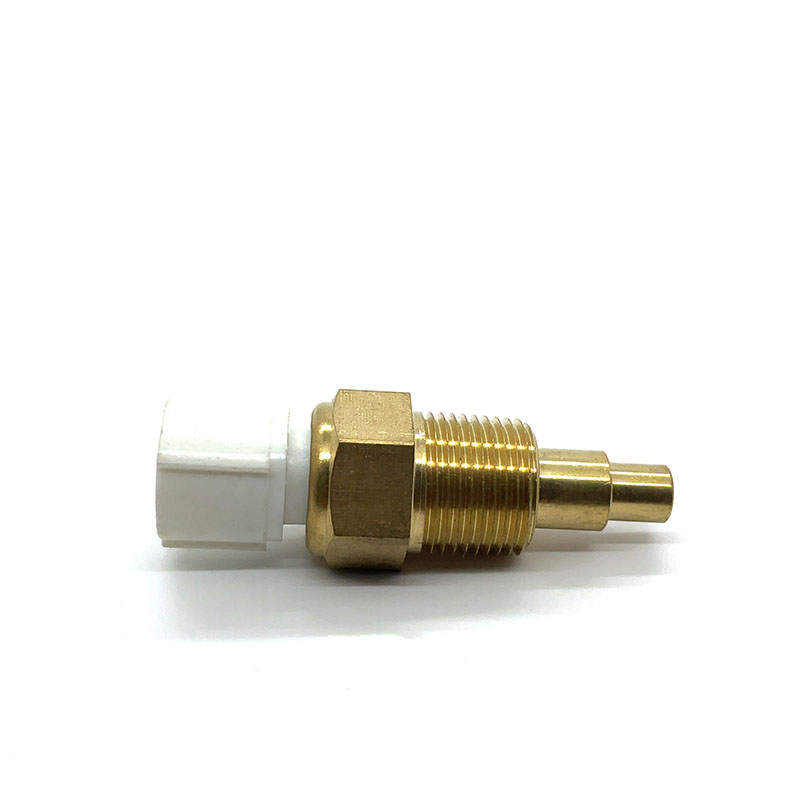
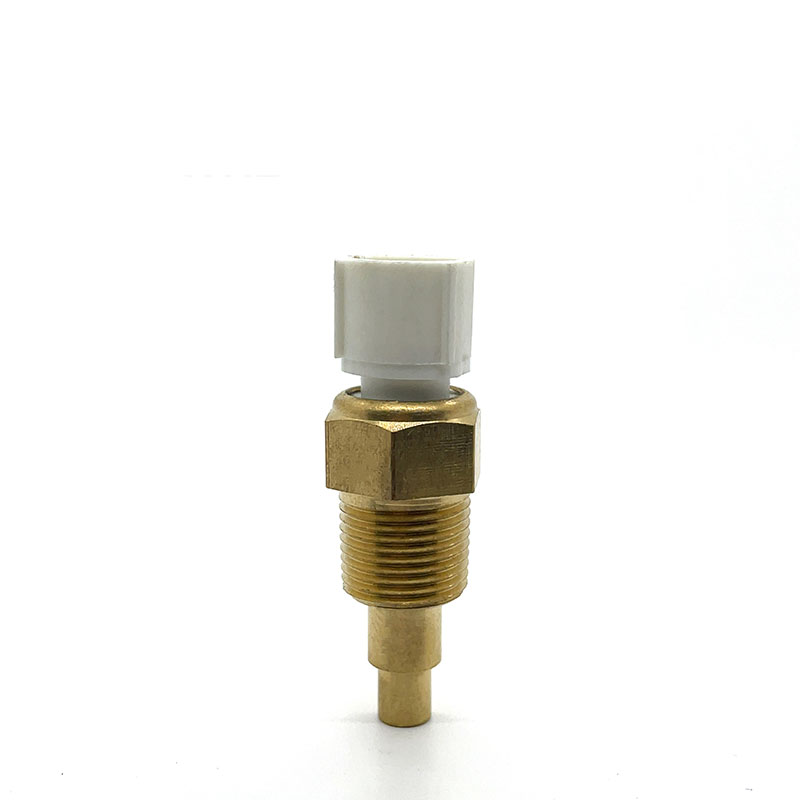
Introduction to Temperature Switch Sensor PW536176
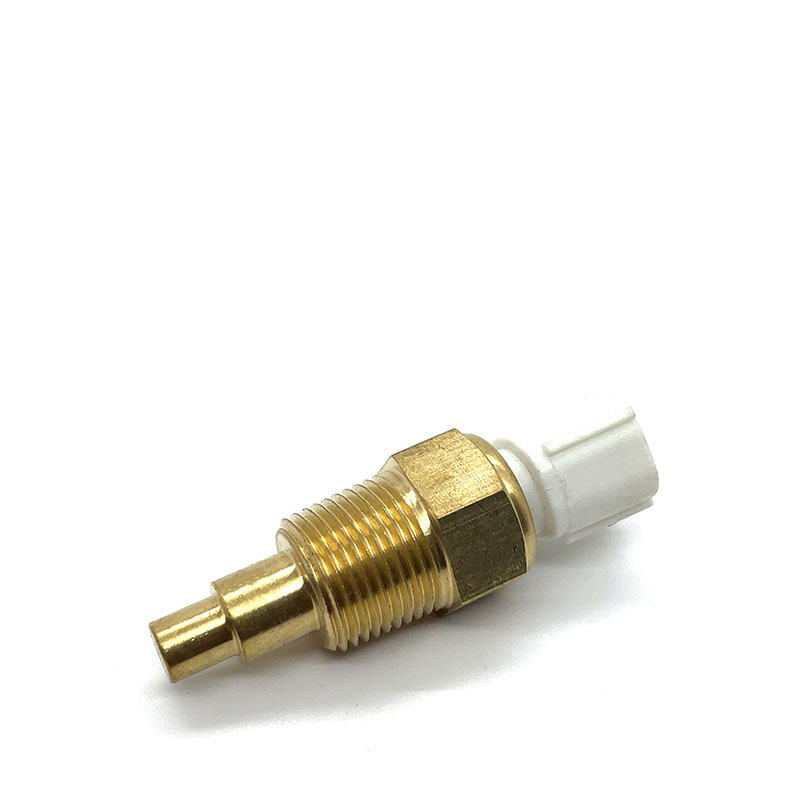
The YZHIDIANF radiator fan temperature switch sensor PW536176 is a direct OE replacement spanning VW, Audi, Toyota, Honda, Nissan, and Kia applications. A bimetallic thermal switch housed in brass closes the fan circuit at the calibrated temperature threshold and opens it once coolant drops below the reset point. Unlike a continuous-reading coolant temperature sensor, this temperature switch sensor acts as an on-off trigger for the radiator fan relay. A failing switch causes the fan to stay off until the engine overheats, or conversely locks the fan on indefinitely. This plug-and-play unit restores correct fan cycling with no wiring modifications.
Parameter Table of Temperature Switch Sensor PW536176
| Parameter | Details |
| Part Number | PW536176 |
| Brand | YZHIDIANF |
| Type | Temperature Switch Sensor |
| Switch Mechanism | Bimetallic thermal switch |
| Vehicle Applications | VW, Audi, Toyota, Honda, Nissan, Kia |
| Housing Material | Corrosion-resistant brass |
| Thread Size | OEM standard |
| Connector Type | OEM-standard sealed connector |
| Operating Mode | On-off thermal trigger for radiator fan relay |
| Warranty | 12 Months |
| Delivery Time | 3–7 Days |
| Payment Terms | T/T, Western Union, PayPal |
Why Choose Our Temperature Switch Sensor PW536176
Calibrated Trigger Point
Every temperature switch sensor is tested at the rated threshold to verify it closes within the intended temperature window. A switch that triggers too late lets the engine run hot before the fan engages. One that triggers too early keeps the fan running unnecessarily, wasting fuel and wearing the fan motor. Ours closes at the OE-specified temperature and resets cleanly as the system cools.
Brass Housing for Thermal Stability
The brass body conducts heat from the coolant directly into the bimetallic disc without lag. The material resists corrosion from coolant additives and holds structural integrity through thousands of hot-cold cycles. A temperature switch sensor with a plastic housing risks deformation at sustained high temperatures. Brass does not.
Broad Multi-Brand Coverage
PW536176 fits radiator fan circuits on VW, Audi, Toyota, Honda, Nissan, and Kia models. Workshops stocking this one part number can cover routine fan switch replacements across multiple vehicle brands on the same shelf, reducing inventory complexity and order frequency.
Prevents Overheat Damage
A failed temperature switch sensor that stays open is a silent risk. The driver sees a normal temperature gauge while the engine coolant climbs past safe limits because the radiator fan never receives the trigger signal. By the time the warning light comes on, head gaskets or hoses may already be compromised. A functioning switch closes the circuit at the right temperature every time.
Direct Relay Control
This temperature switch sensor connects directly to the radiator fan relay circuit. No ECU signal translation, no intermediate modules. The switch closes, the fan relay energizes, the fan runs. This simple electromechanical path means faster fault diagnosis when the fan fails to operate.
12-Month Warranty
Every YZHIDIANF temperature switch sensor includes a 12-month warranty against manufacturing defects. Orders ship within 24 hours and deliver in 3 to 7 business days.
Help Center
FAQ
Q1: How is a temperature switch sensor different from a coolant temperature sensor?
A coolant temperature sensor provides a variable resistance signal to the ECU for fuel mapping, ignition timing, and gauge display. A temperature switch sensor is a simple on-off device. It opens and closes at a specific temperature to control only the radiator fan relay. If your scan tool shows a P0115 code, you need a coolant temperature sensor. If the fan fails to engage and there are no related fault codes, the temperature switch sensor is the likely problem.
Q2: How do I test this temperature switch sensor without removing it from the vehicle?
Bridge the two terminals of the fan switch connector with a fused jumper wire. If the radiator fan runs immediately, the fan motor, relay, and wiring are all functioning correctly, and the temperature switch sensor itself is the fault. If the fan still does not run, the problem lies elsewhere in the circuit. Always remove the jumper after testing. Do not run the vehicle with the switch bypassed for more than a brief diagnostic check.
Q3: At what temperature should the radiator fan turn on?
Typical trigger temperatures range from 87°C to 97°C depending on the vehicle. The exact threshold is stamped on the hex body of the OEM temperature switch sensor. Match the replacement to this number. Installing a switch with a lower trigger point causes the fan to run constantly. A higher trigger point delays fan engagement past the safe window.