Contact us for free:
Speak to our experts in 1 min
Provide quotation in 1 hour
Contact us for free:
Speak to our experts in 1 min
Provide quotation in 1 hour
首页 » Products » Engine System Parts » Variable Valve Timing
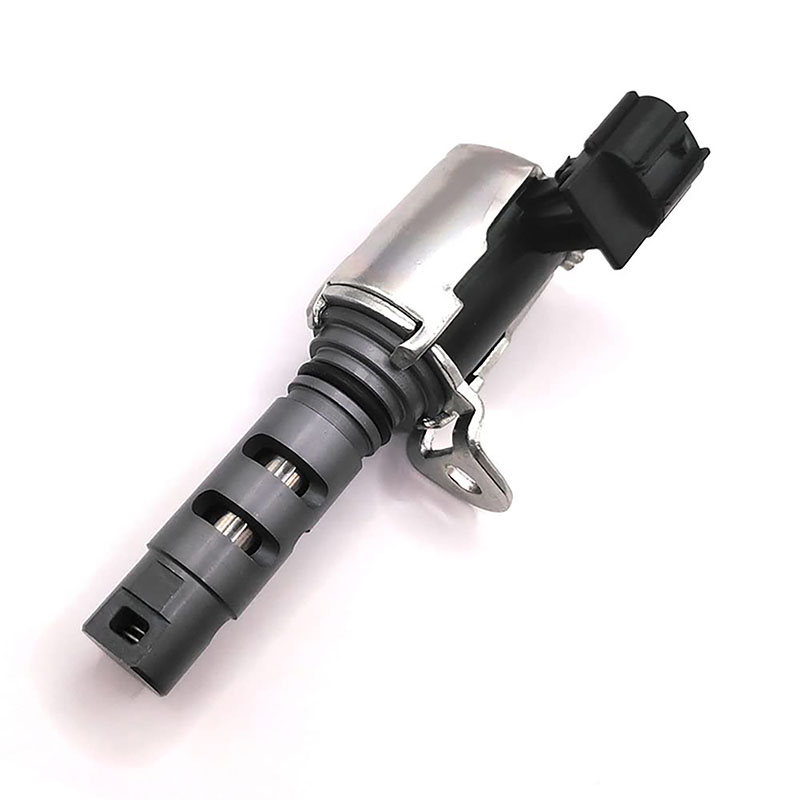
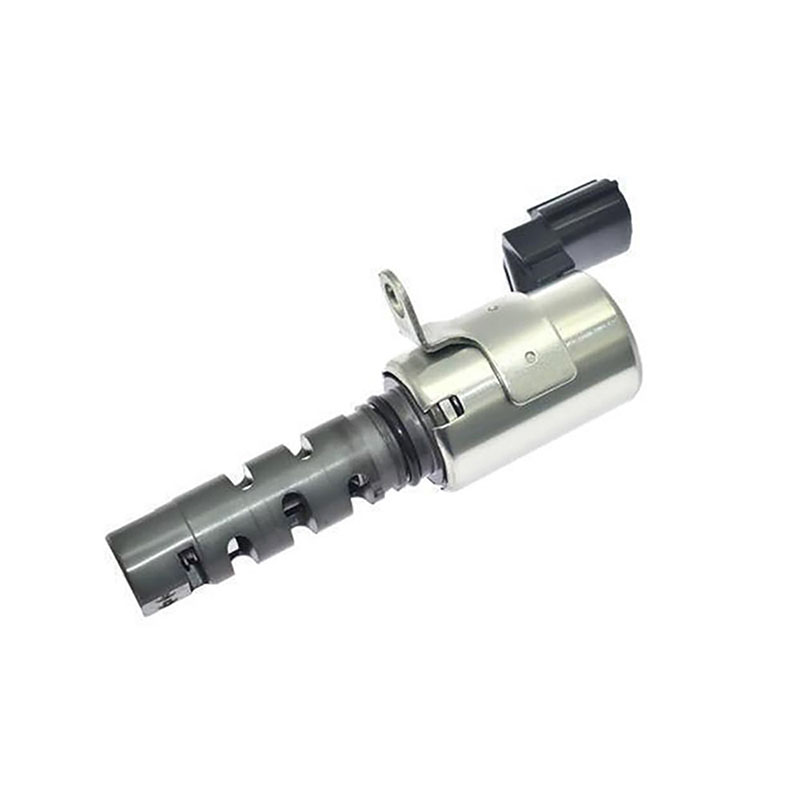
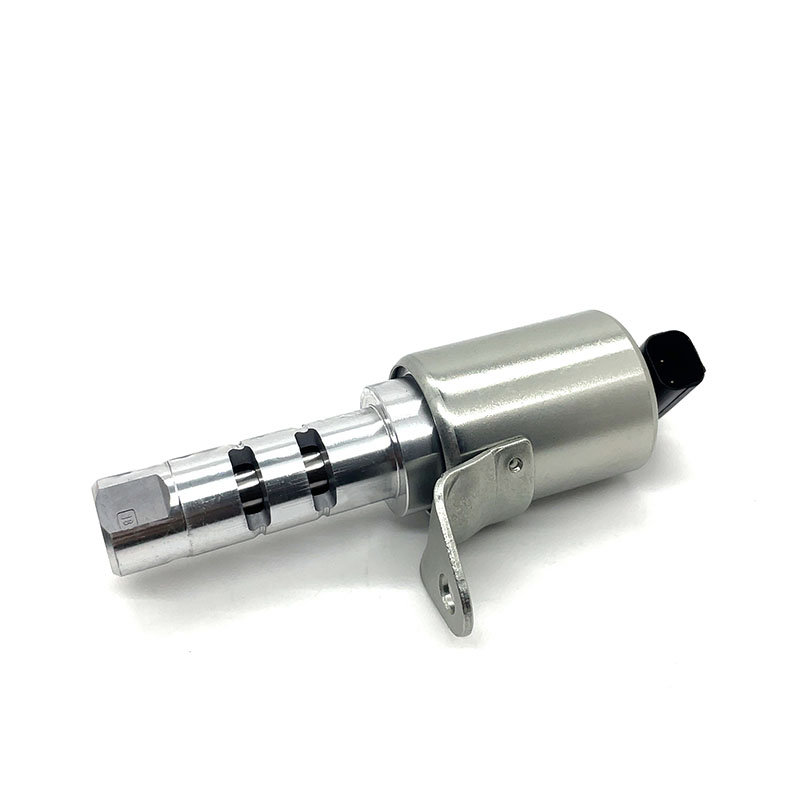
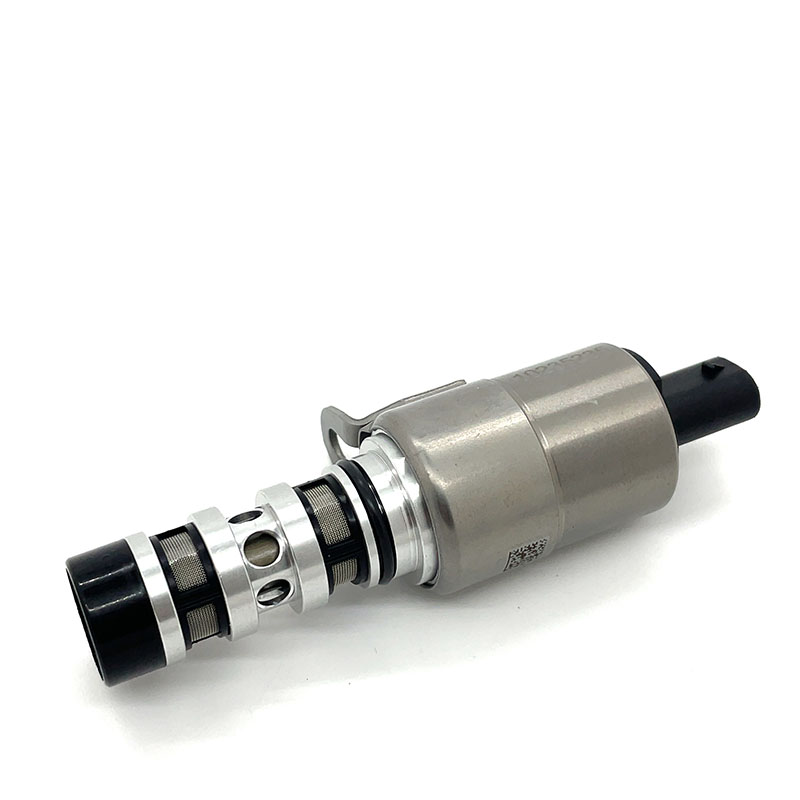
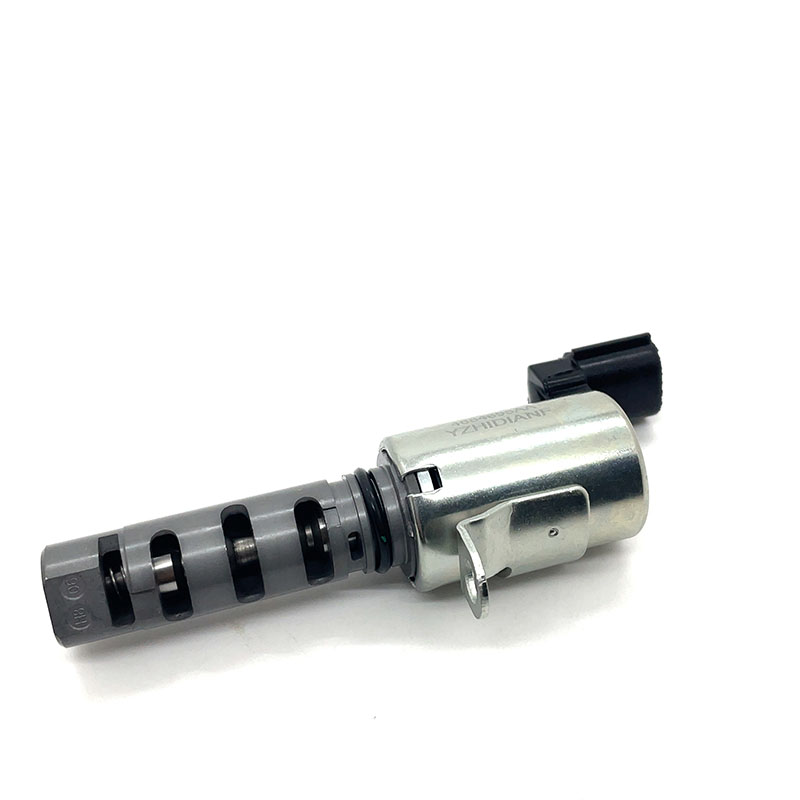
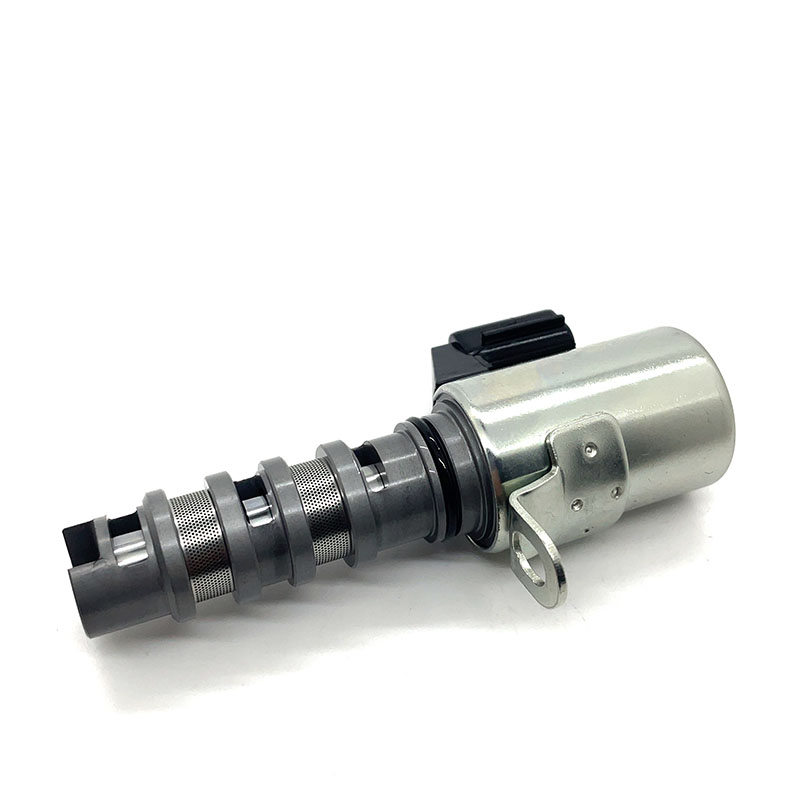
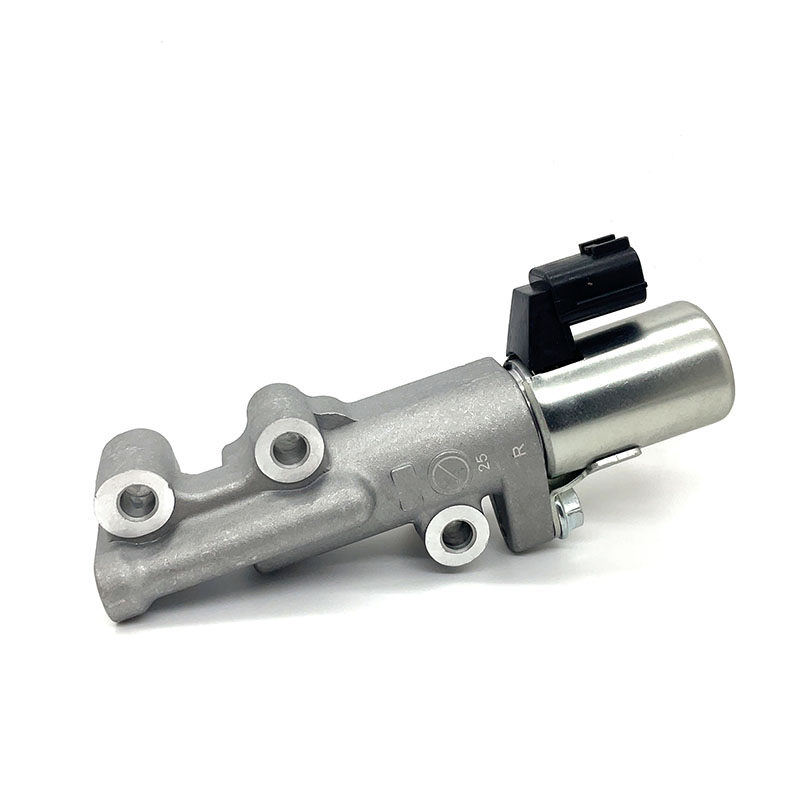
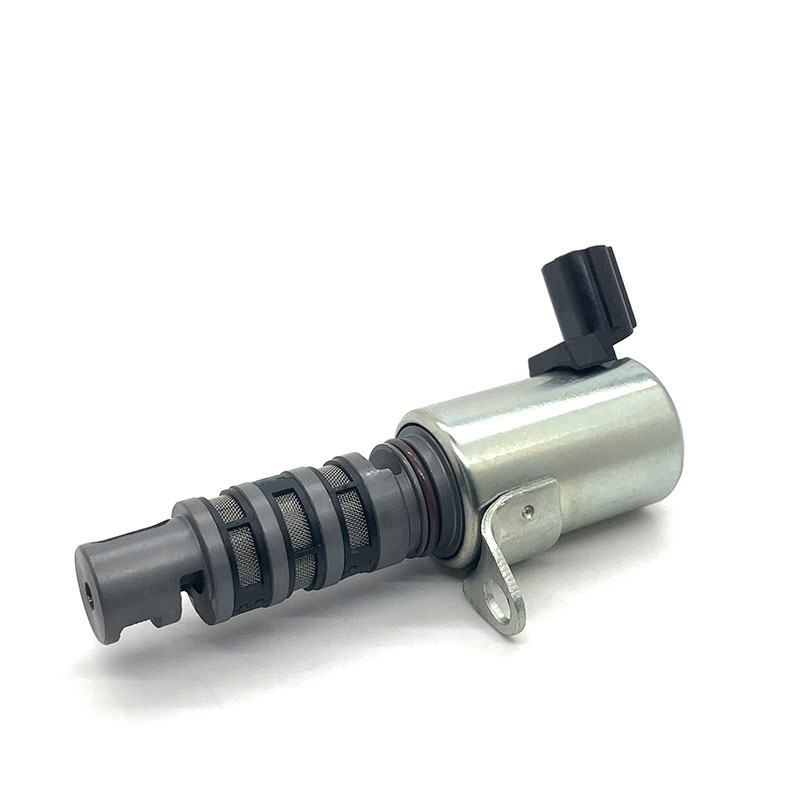
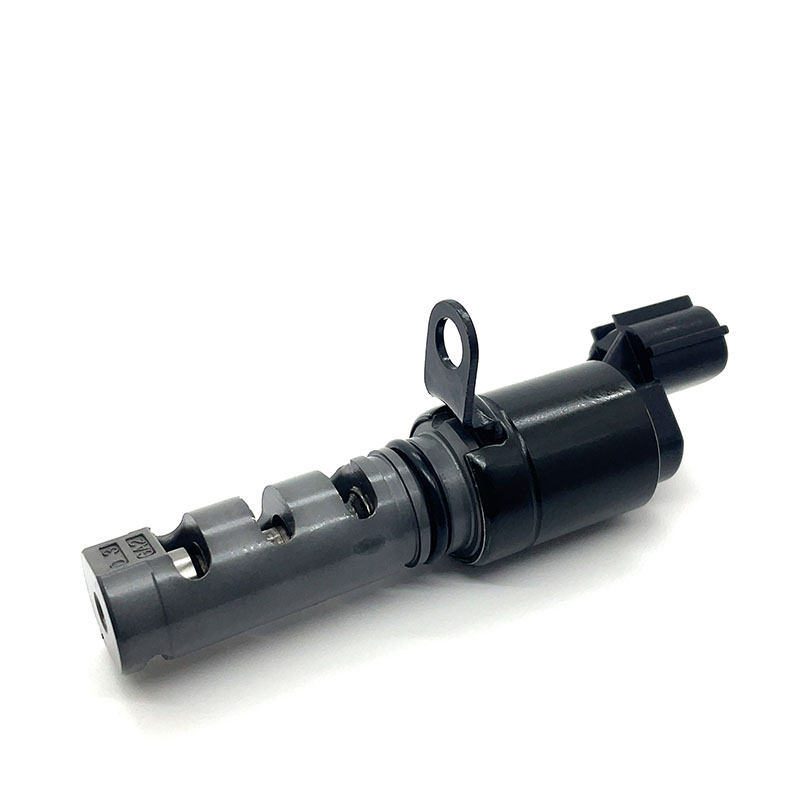
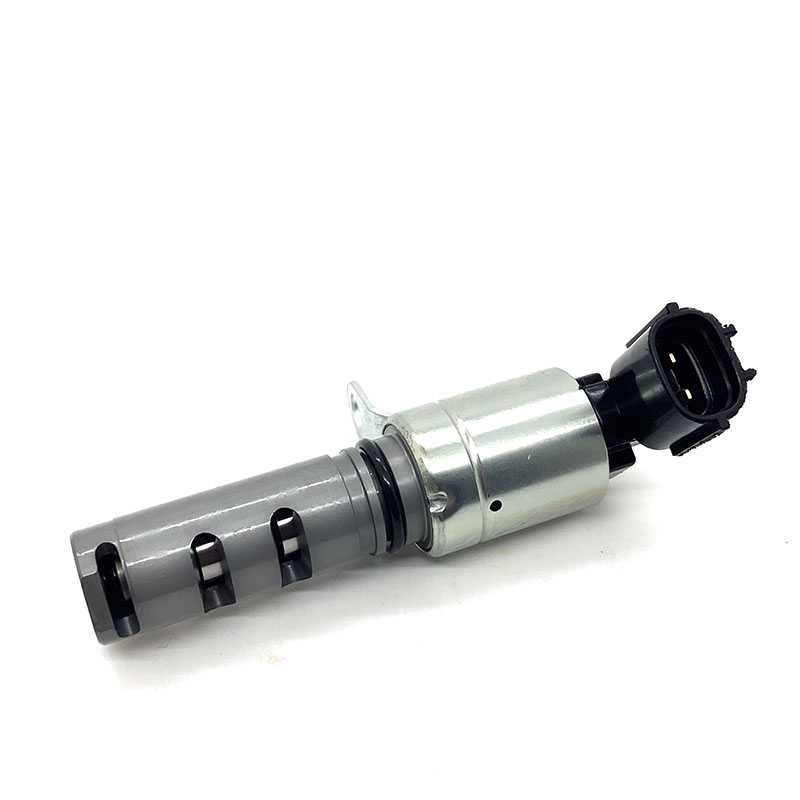
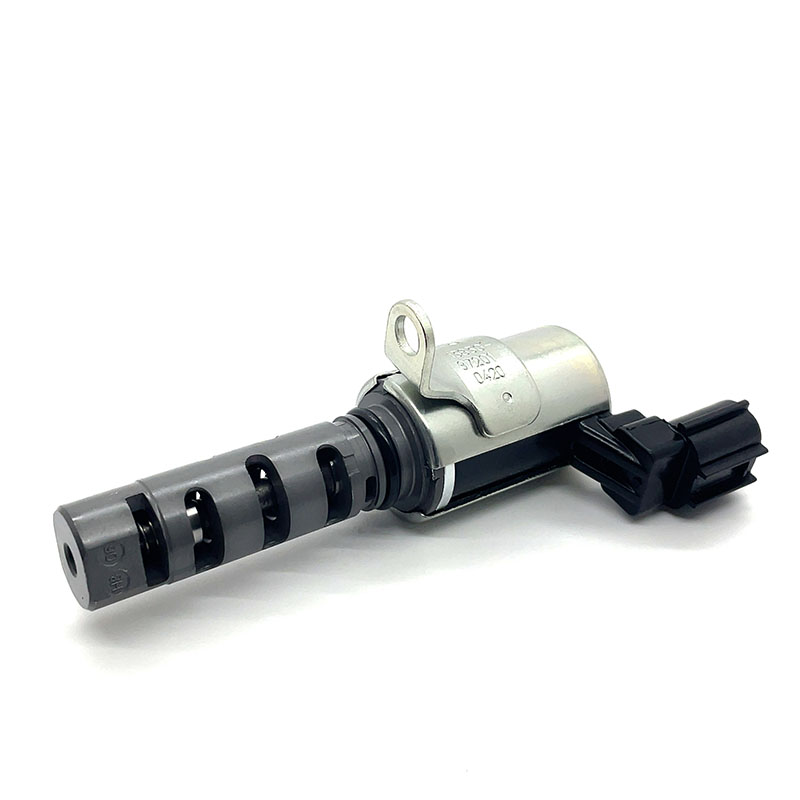
Variable Valve Timing (VVT) is your engine’s essential valve control system, adjusting the timing of valve opening and closing events to optimize engine performance across different RPM ranges. Controlled by the engine control unit (ECU) and actuated by oil pressure, it advances or retards camshaft position relative to the crankshaft — directly impacting engine power, fuel efficiency, idle quality, and emissions output. Modern turbocharged and naturally aspirated engines make reliable variable valve timing more important than ever.
As a professional variable valve timing component manufacturer and supplier since 2007, YZHIDIANF combines 19 years of expertise with our own 3,000+ m² manufacturing facility to deliver precision-engineered VVT solutions. We serve global clients requiring OEM VVT sprockets, VVT solenoids, and complete variable valve timing assemblies — all backed by integrated production, strict quality control, and responsive support for B2B partners worldwide.
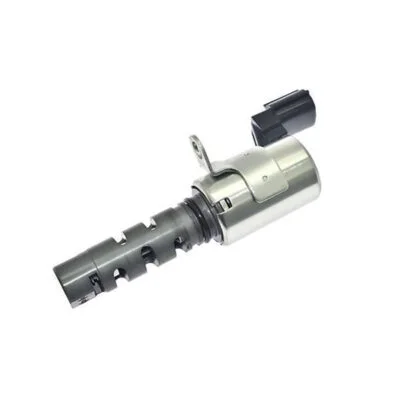
Engine needs vary from idle to redline — retarded valve timing for high-RPM power, advanced timing for low-end torque. YZHIDIANF manufactures variable valve timing sprockets and phasers with precise oil control passages and return spring rates that deliver smooth, accurate camshaft adjustment across the entire operating range. Each variable valve timing component is tested for response time, adjustment range, and positional accuracy — ensuring the ECU can dial in the perfect valve timing for any driving condition.
VVT components live inside the engine, bathed in hot engine oil. YZHIDIANF builds variable valve timing sprockets with hardened steel rotors and stators, precision-ground oil ports, and wear-resistant locking pins that withstand high oil temperatures, pressure spikes, and contamination. Every variable valve timing component is tested for thermal stability, oil pressure tolerance, and mechanical fatigue — so it keeps adjusting valve timing accurately for hundreds of thousands of miles.
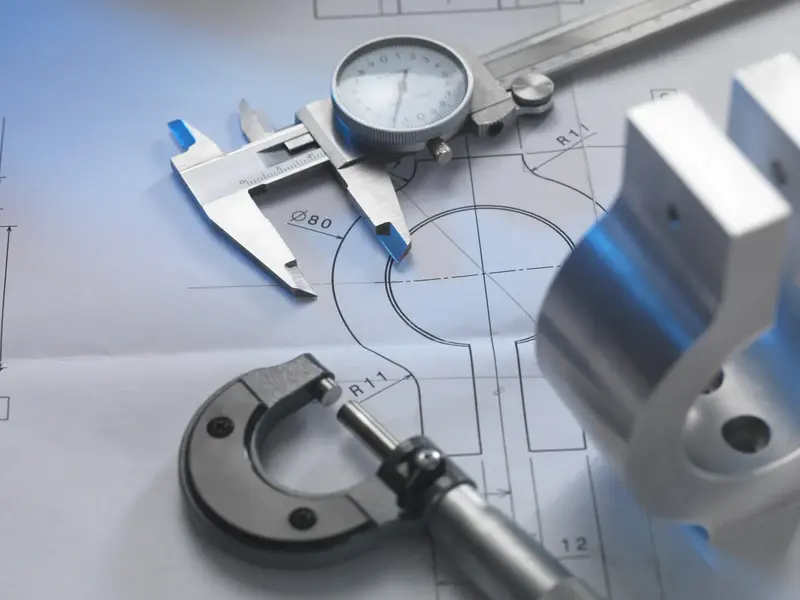
A replacement variable valve timing sprocket must match the original oil flow rates, advance/retard range, and locking pin characteristics. YZHIDIANF reverse-engineers OEM samples to manufacture variable valve timing components that bolt into factory locations, use identical timing chain or belt interfaces, and deliver the exact camshaft positioning required by the engine management system. No modifications, no rattling, no VVT-related check engine lights.
Whether you need variable valve timing sprockets for a single repair or bulk orders for export, YZHIDIANF delivers consistent quality and volume. Our variable valve timing production line runs ISO-certified processes, with each component tested for oil leak rate, adjustment response, and locking pin engagement before shipping. Wholesale variable valve timing components from YZHIDIANF — and get the same reliability order after order.
Tailored VVT Solutions for Your Brand and Technical Requirements
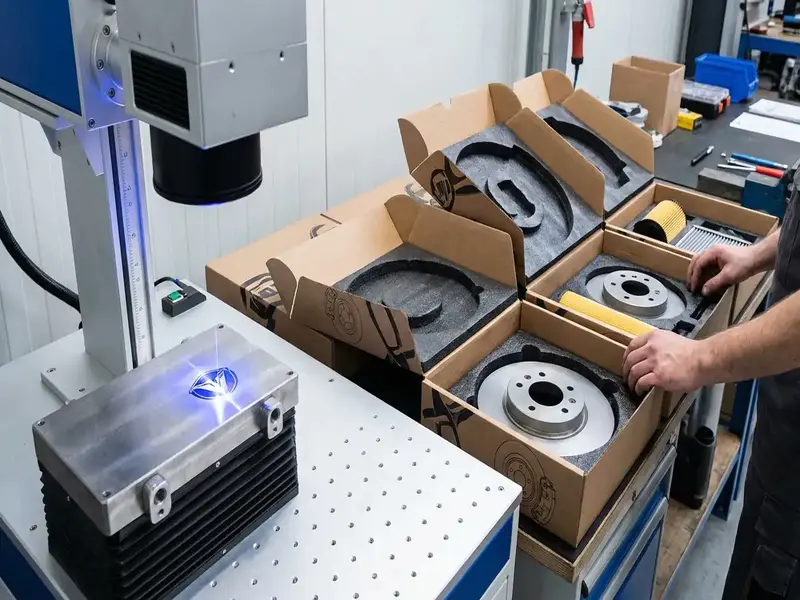
As a leading custom variable valve timing component manufacturer, YZHIDIANF offers comprehensive personalization options that enable you to differentiate your brand in the marketplace while meeting specific technical specifications.
Streamlined Partnership from Inquiry to Ongoing Support
Working with YZHIDIANF as your variable valve timing component manufacturer follows a transparent, efficient process designed to make international collaboration straightforward and successful.
Contact us with your requirements, including vehicle applications, estimated annual volumes, and any special requests for custom variable valve timing sprockets or OEM variable valve timing specifications. We respond within 24 hours with competitive pricing, product recommendations, and samples availability information.
Our technical team collaborates with you to finalize product specifications, ensuring proper fitment and performance. For clients requiring wholesale variable valve timing branding, we develop logo artwork, packaging designs, and approve samples before mass production begins.
Upon order confirmation, our production team schedules manufacturing according to your timeline. Throughout production, we maintain quality control checkpoints and can provide progress updates and pre-shipment inspection reports upon request.
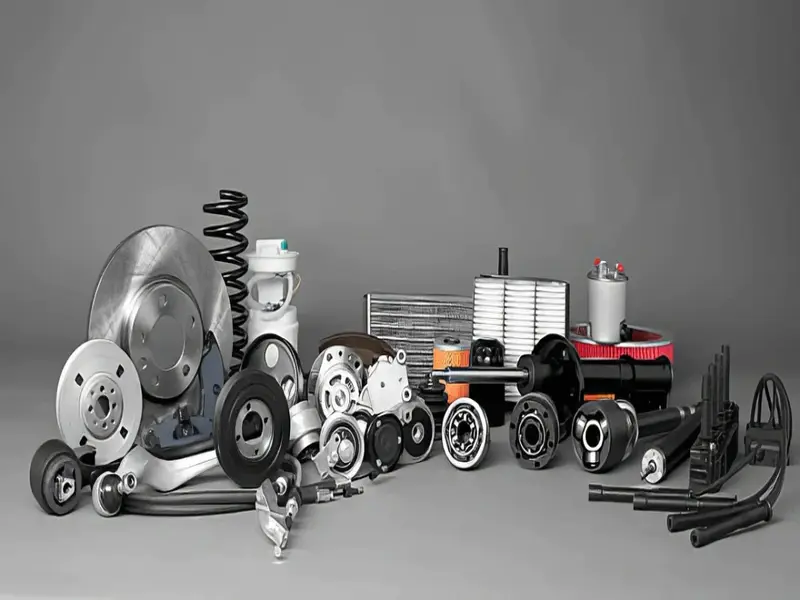
Finished products receive careful packaging suitable for international transport, with options for neutral, branded, or retail-ready presentation. We coordinate shipping via air freight (UPS, DHL, FedEx) or sea freight according to your bulk variable valve timing order requirements, and can work with your preferred freight forwarder.
After shipment, we provide tracking information and remain available for any questions during transit. Our one-year warranty and responsive customer service ensure that any issues receive prompt attention, maintaining your confidence in our partnership.
Essential Knowledge for Your Customers and Technical Support Team
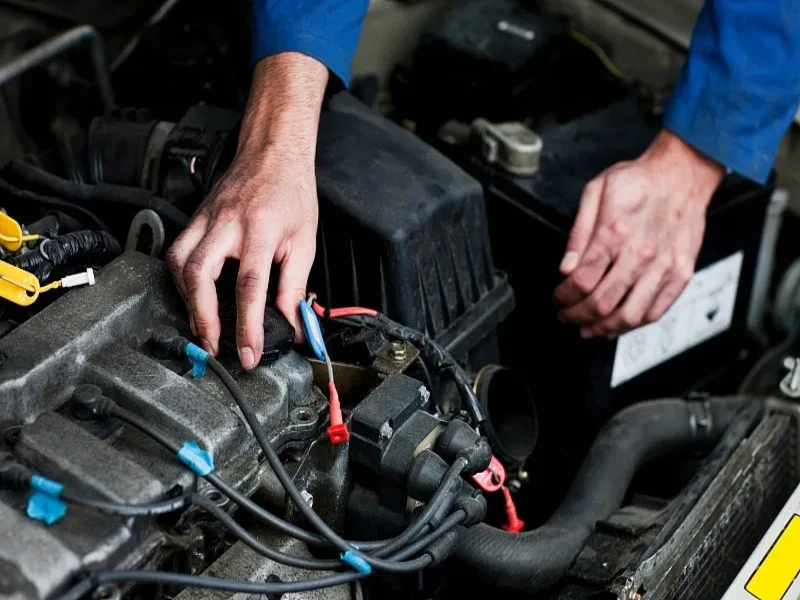
VVT Sprockets/Phasers: There is no fixed replacement interval for variable valve timing sprockets — they typically last 100,000 to 150,000 miles (160,000 to 240,000 km). However, oil contamination or sludge can cause premature failure of the variable valve timing mechanism.
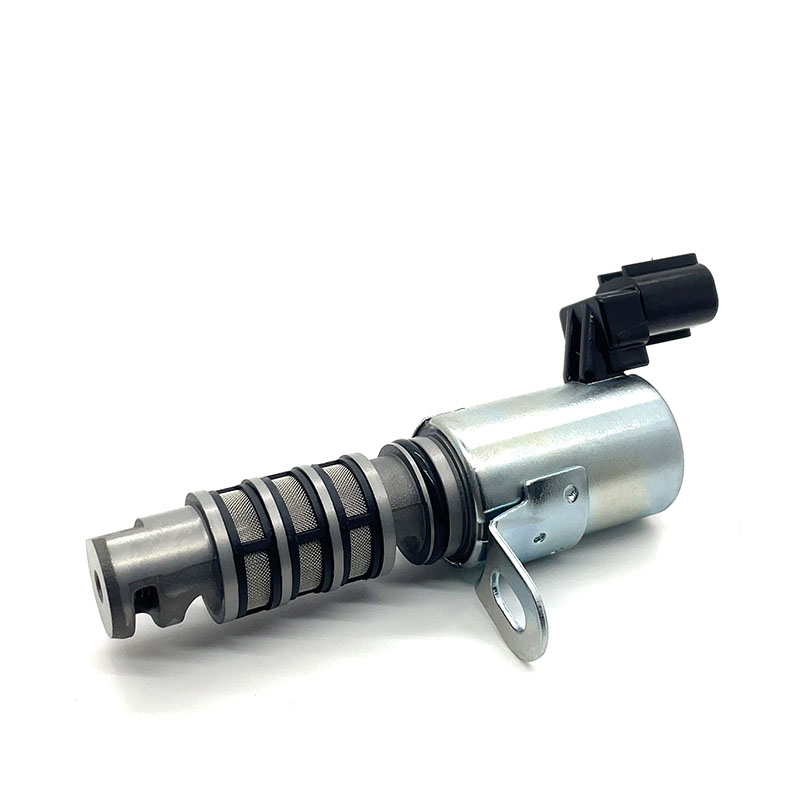
VVT Solenoids: Generally inspected every 60,000 to 80,000 miles (100,000 to 130,000 km). Clogged oil screens in the variable valve timing solenoid are a common failure point on high-mileage vehicles.
Timing Chain Replacement: When replacing timing chains, always replace the variable valve timing sprockets simultaneously — worn VVT components will cause repeat timing correlation codes.

√Check engine light illumination with VVT-related codes (P0010–P0017)
√Rattling noise from timing cover on cold start (loose VVT sprocket locking pin)
√Rough idle or stalling when engine reaches operating temperature
√Poor low-end torque or high-RPM power loss (VVT stuck in one position)
√Failed emissions test due to incorrect valve overlap at idle
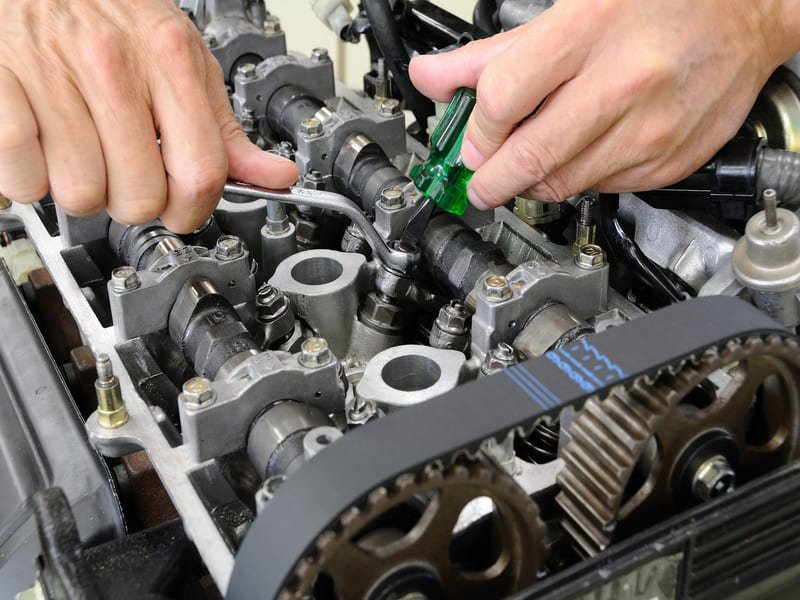
While offering OEM variable valve timing component replacements, emphasize proper installation practices:
√Always replace variable valve timing sprocket bolts — they are torque-to-yield fasteners and cannot be reused safely
√Prime the variable valve timing system with oil by cranking the engine with fuel/spark disabled before first start
√Use OEM-spec engine oil and filter — the variable valve timing system is highly sensitive to oil pressure and cleanliness
√Verify camshaft timing marks after installing the variable valve timing sprocket — incorrect alignment will cause engine damage
√Clear diagnostic trouble codes after replacement and perform a VVT actuation test with a scan tool to verify operation
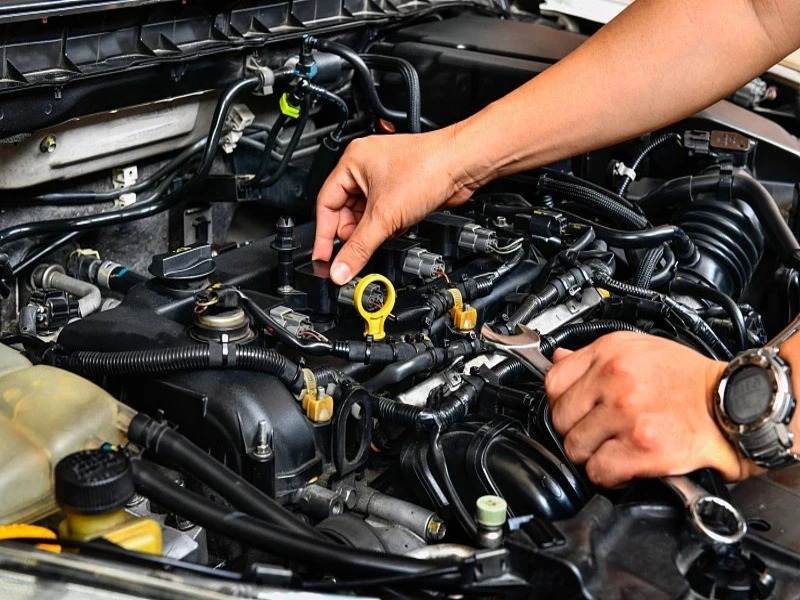
For markets with seasonal temperature variations, remind customers that variable valve timingcomponents are sensitive to oil viscosity. Thick, cold oil can delay variable valve timing response on winter mornings, while hot, thin oil can reduce actuation pressure in summer. Using the correct viscosity oil year-round is essential for proper variable valve timing performance. More frequent oil changes before winter and summer can prevent VVT-related drivability issues.
WhatsApp:+86-13450358058
Tel: +86-13450358058
E-mail: jasmine@zhenhuaauto.com
Address: Guangyuan East Road, Tianhe District, Guangzhou City, Guangdong Province, China

Reliable Zhenhua Auto Parts
Help You Live a Better Life



WhatsApp us