Contact us for free:
Speak to our experts in 1 min
Provide quotation in 1 hour
Contact us for free:
Speak to our experts in 1 min
Provide quotation in 1 hour
首页 » Products » Engine System Parts » Steering Angle Sensor
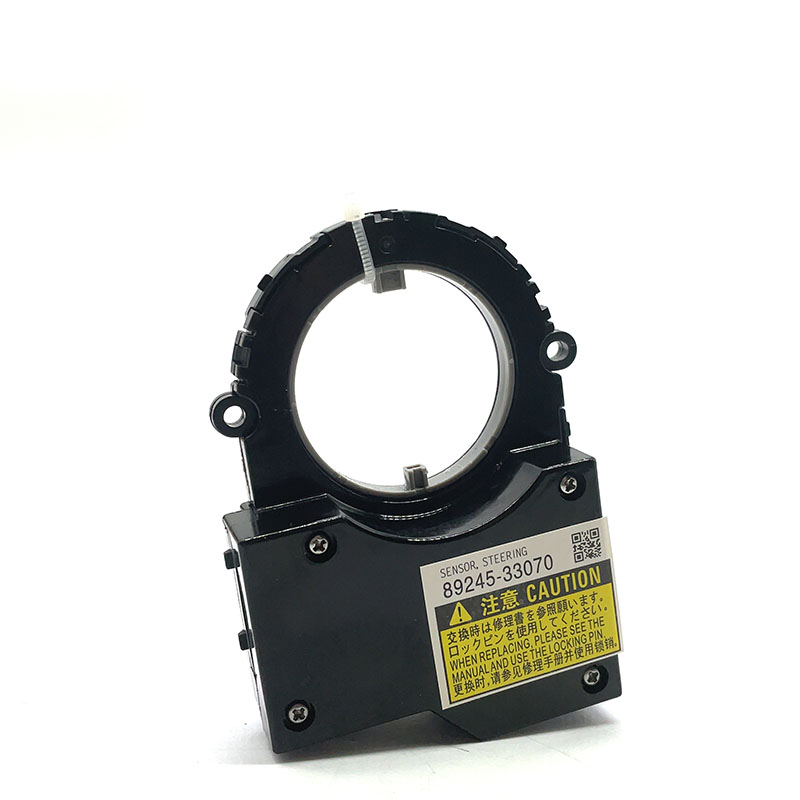
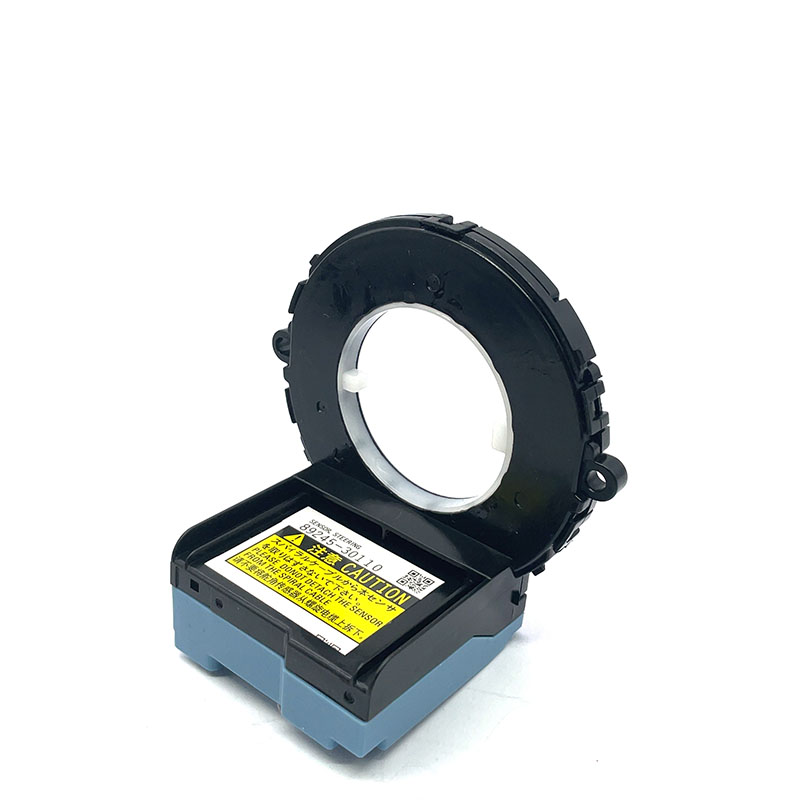
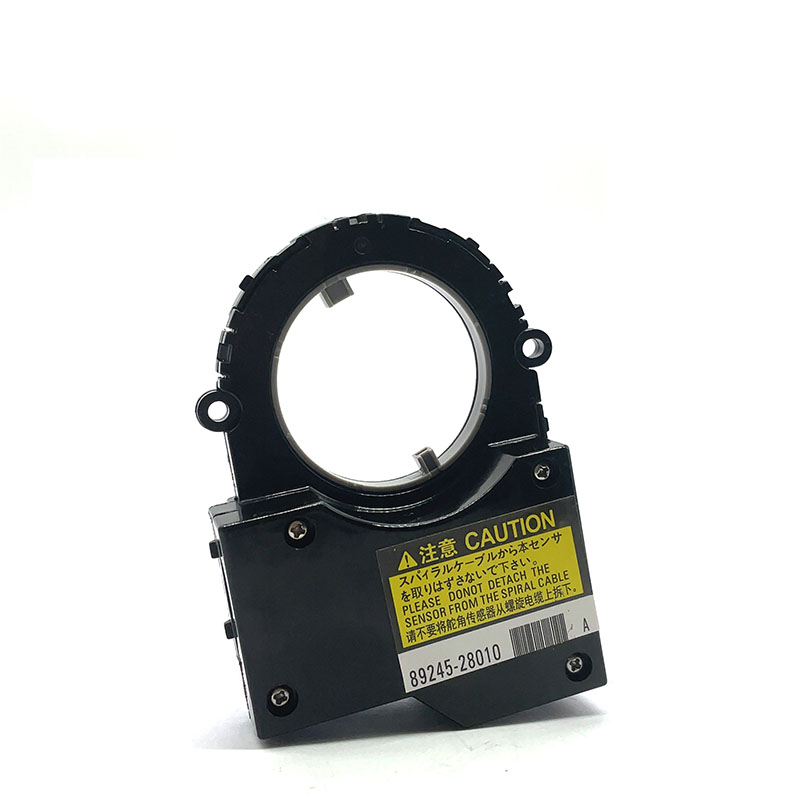
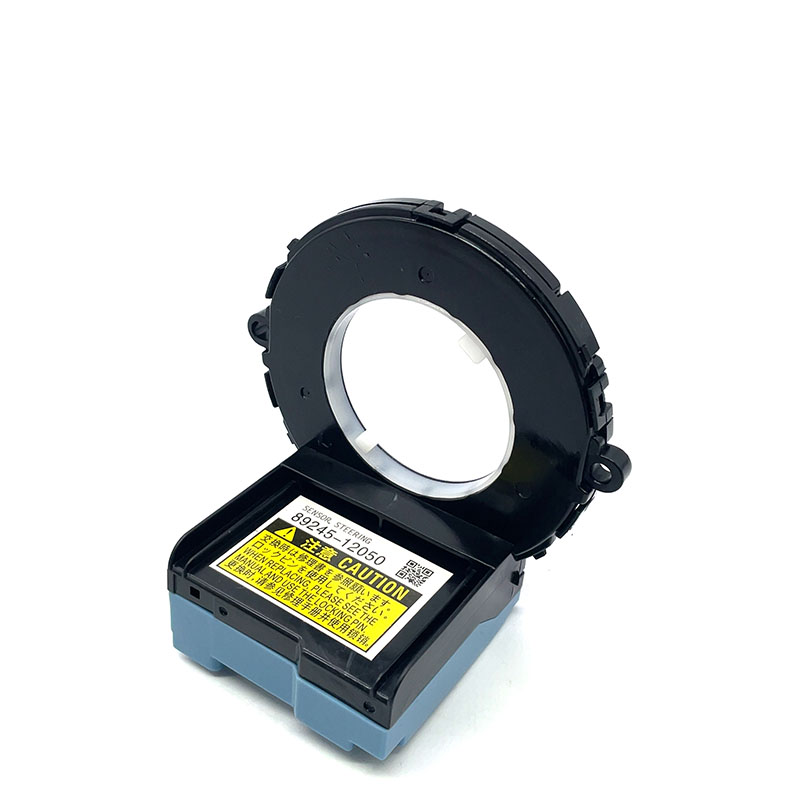
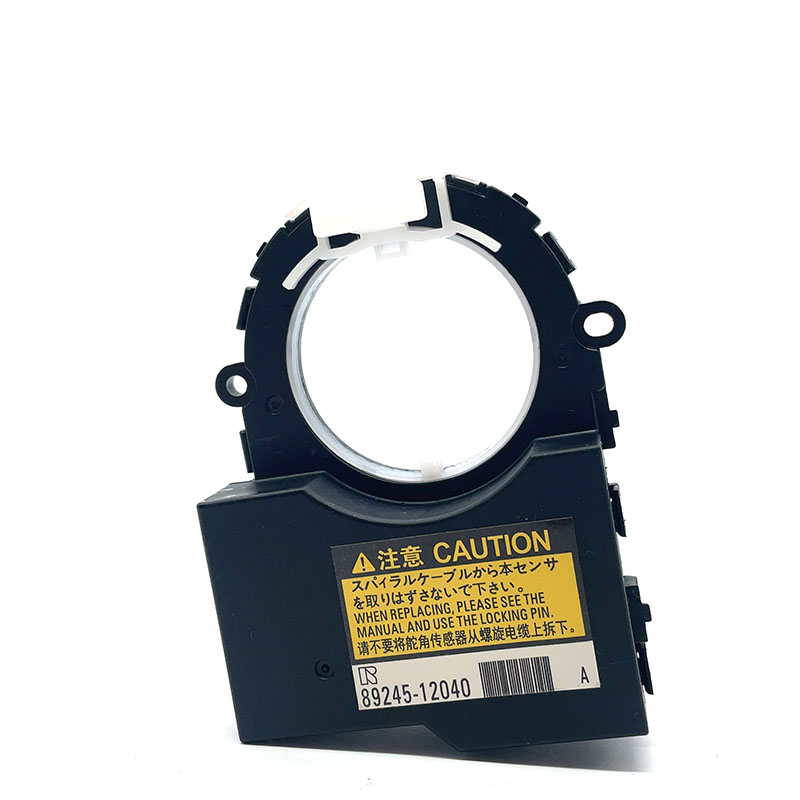
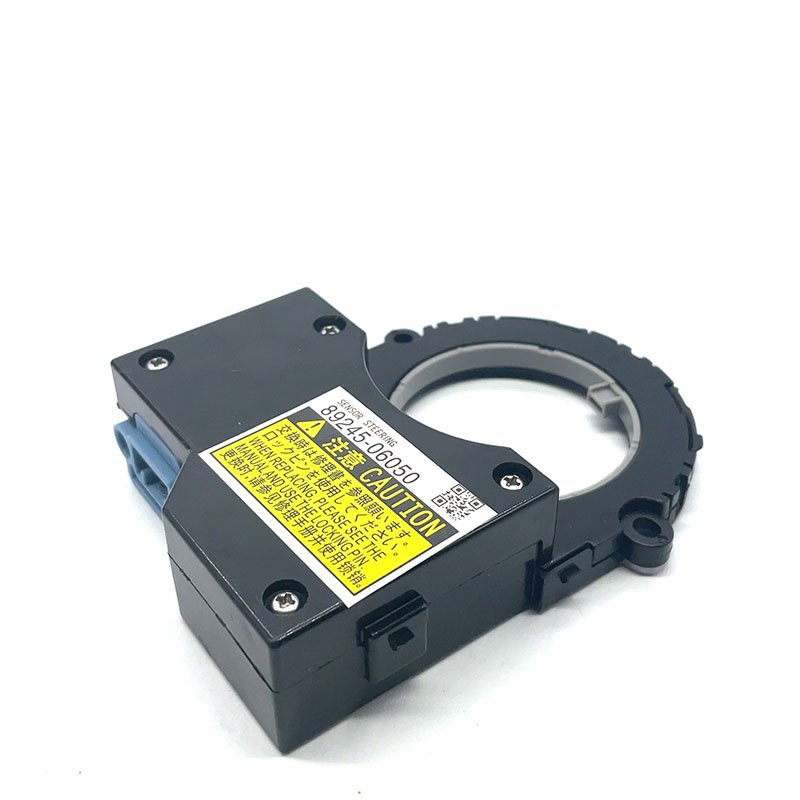
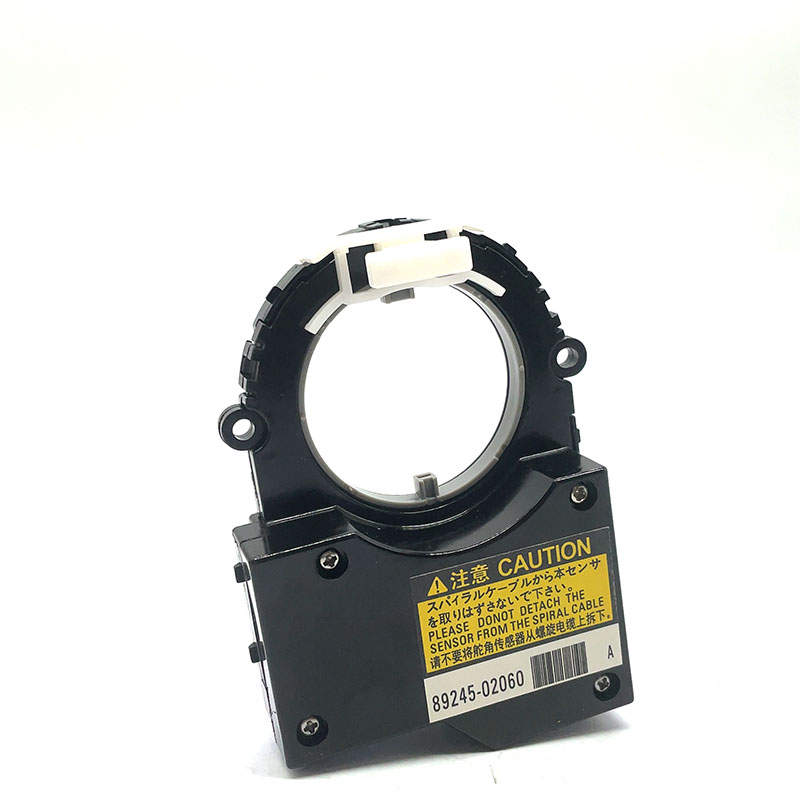
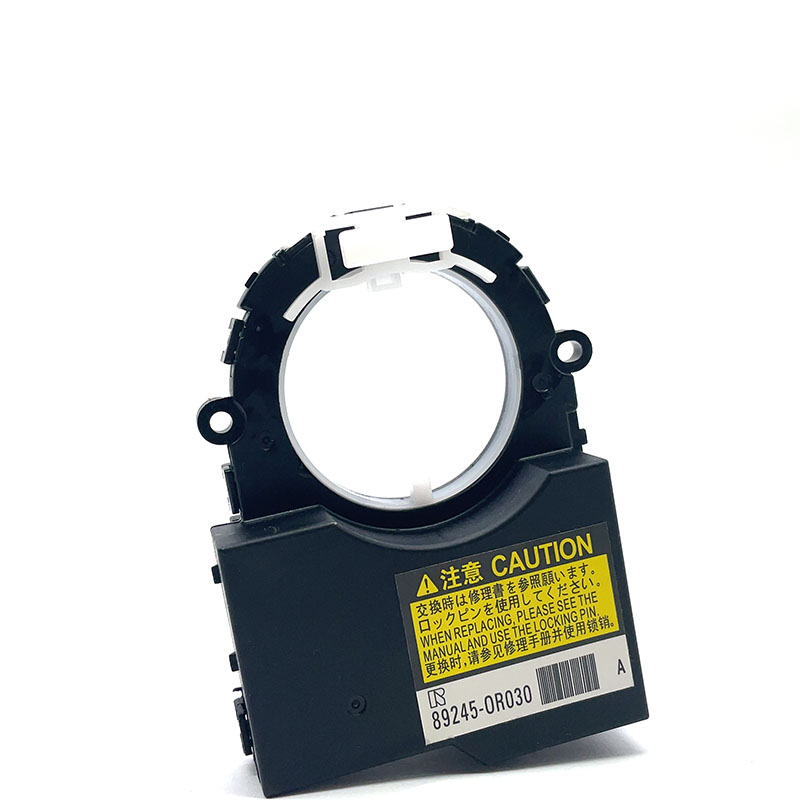
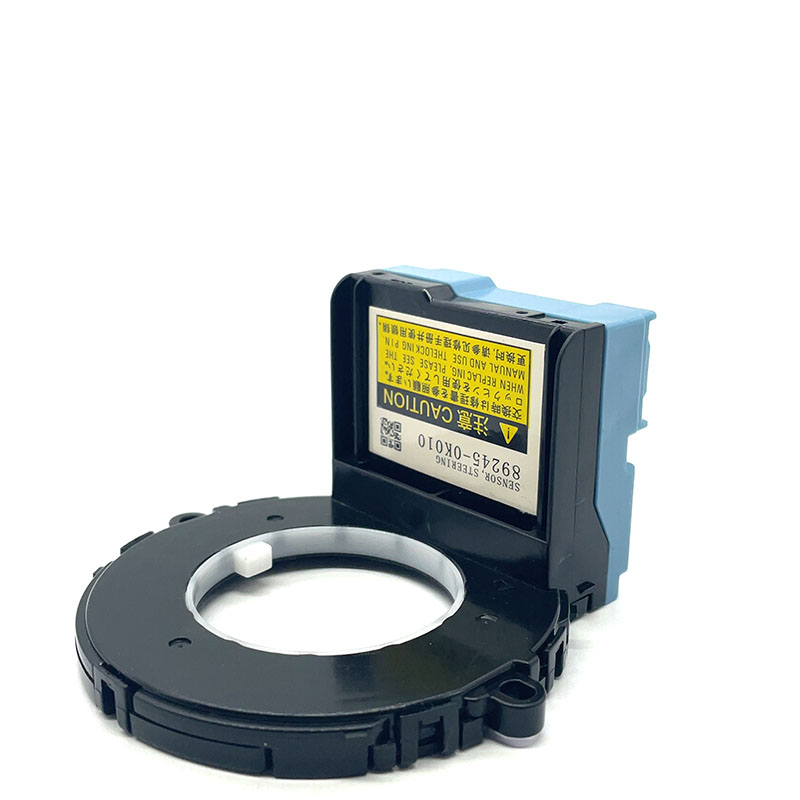
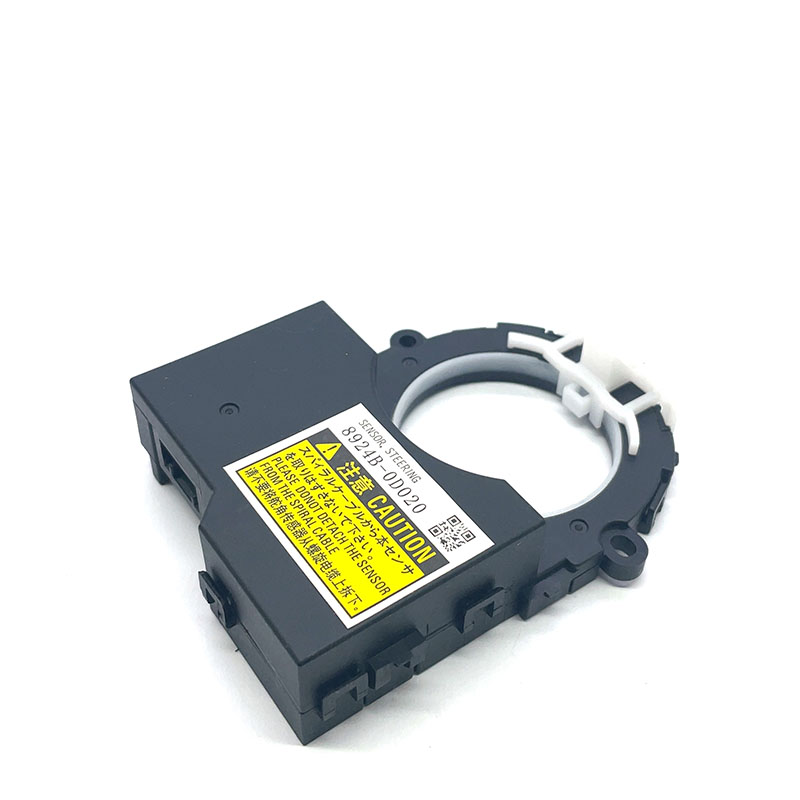
A steering angle sensor continuously measures the steering wheel’s angle, direction, and turning rate for critical safety systems. Mounted within the steering column or behind the wheel, it supplies CAN bus data to ESC, ABS, adaptive lighting, lane keeping assist, and parking aids. Modern vehicles depend on accurate steering angle readings for stability control, headlight aiming, torque vectoring, and autonomous functions. As global safety regulations mandate ESC in most markets, a reliable steering angle sensor is essential for both driver assistance features and regulatory compliance.
As a professional steering angle sensor manufacturer and supplier since 2007, YZHIDIANF combines 19 years of expertise with our 3,000+㎡ facility to deliver superior sensing solutions. We serve global clients requiring OEM replacements, custom development, and competitive wholesale or bulk steering angle sensor orders — backed by integrated production, strict quality control, and responsive B2B support.
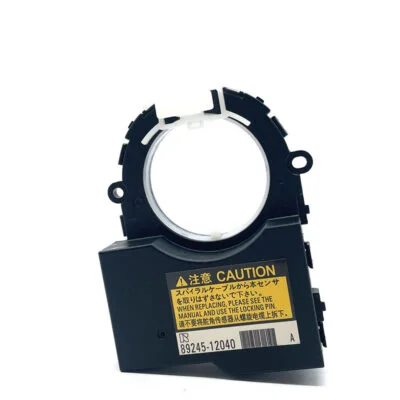
Steering angle sensors must deliver high-resolution, zero-drift output — any error causes false ESC activation or ADAS miscalibration. Our sensors feature Hall-effect or magnetoresistive (MR) technology with non-contact designs, delivering resolution down to 0.1° and CAN/LIN bus communication. We match OE specifications for Japanese, European, and American platforms.
Inferior sensors suffer signal drift or mechanical wear. Every YZHIDIANF steering angle sensor undergoes over 10 million rotation cycles, thermal shock from -40°C to +105°C, and EMC protection validation. Pre-shipment test reports available for bulk orders.
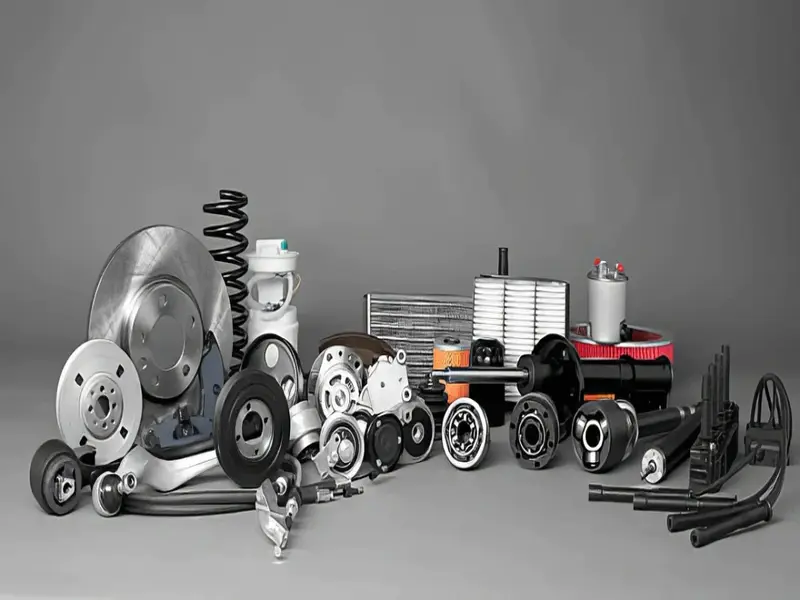
A failed steering angle sensor triggers ESC lights and disables stability control — long lead times cost customers. We stock over 50 SKUs covering major brands (Bosch, VDO, Denso, Hella, Mobis). 75% ready for dispatch with flexible MOQ.
With our own 3,000+㎡ facility, we control every stage from sensor element assembly to final calibration. We offer full traceability, custom labeling, and sensor tuning for specific steering ranges (±720° to ±1080°) and output protocols. One-year warranty.
Tailored Steering Sensing Solutions for Your Brand and Technical Requirements
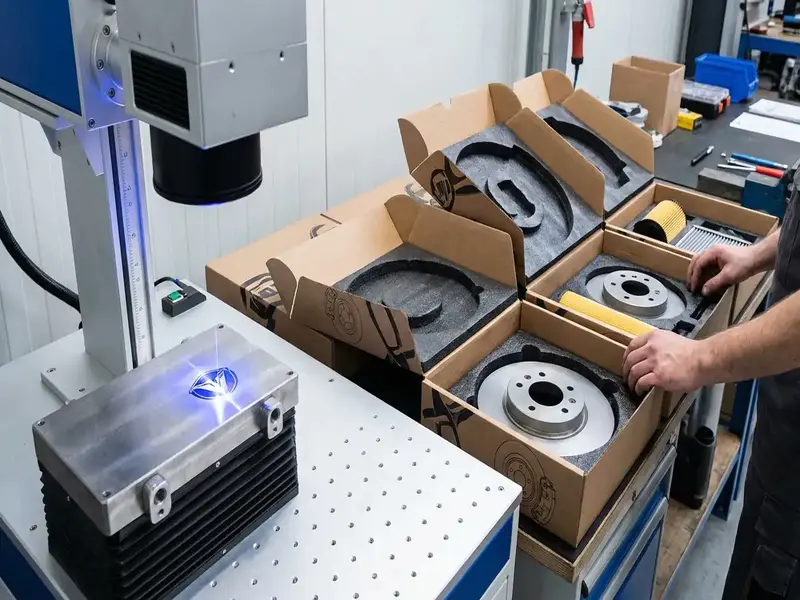
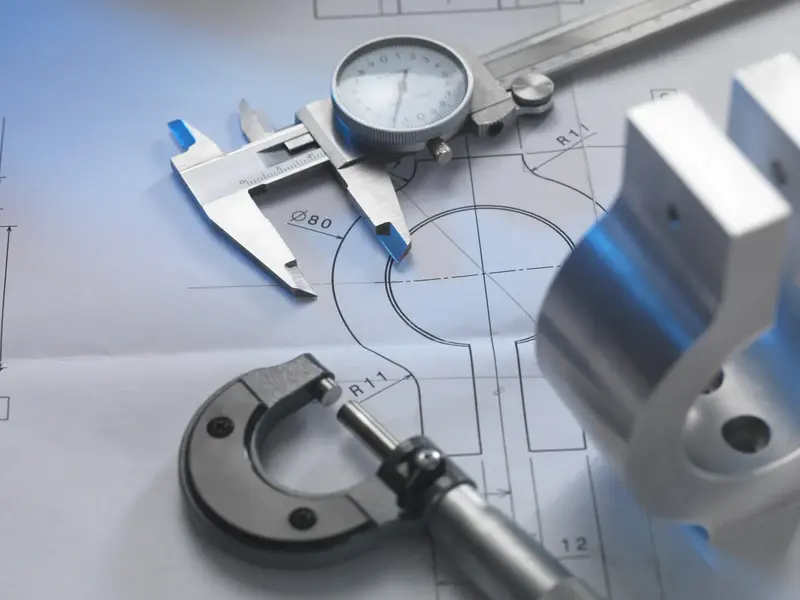
As a leading custom steering angle sensor manufacturer, YZHIDIANF offers comprehensive personalization options that enable you to differentiate your brand in the marketplace while meeting specific electrical, mechanical, and communication specifications.
Streamlined Partnership from Inquiry to Ongoing Support
Working with YZHIDIANF as your steering angle sensor manufacturer follows a transparent, efficient process designed to make international collaboration straightforward and successful.
Contact us with your requirements, including vehicle application (make, model, year, platform), steering system type (column-mounted or steering gear-mounted), OEM part number, output protocol (CAN, PWM, SENT), connector type and pin count, estimated annual volumes, and any special requests for custom steering angle sensor or OEM steering angle sensor specifications. We respond within 24 hours with competitive pricing, product recommendations, and sample availability information.
Our technical team collaborates with you to finalize product specifications, ensuring proper fitment, electrical compatibility, CAN message decoding, zero-point reference alignment, and mounting security. For clients requiring wholesale steering angle sensor branding, we develop logo artwork, packaging designs, and approve samples before mass production begins.
Upon order confirmation, our production team schedules manufacturing according to your timeline. Throughout production, we maintain quality control checkpoints and can provide progress updates and pre-shipment inspection reports upon request.
Finished products receive careful packaging suitable for international transport, with options for neutral, branded, or retail-ready presentation. We coordinate shipping via air freight (UPS, DHL, FedEx) or sea freight according to your bulk steering angle sensor order requirements, and can work with your preferred freight forwarder.
After shipment, we provide tracking information and remain available for any questions during transit. Our one-year warranty and responsive customer service ensure that any issues receive prompt attention, maintaining your confidence in our partnership.
Essential Knowledge for Your Customers and Technical Support Team
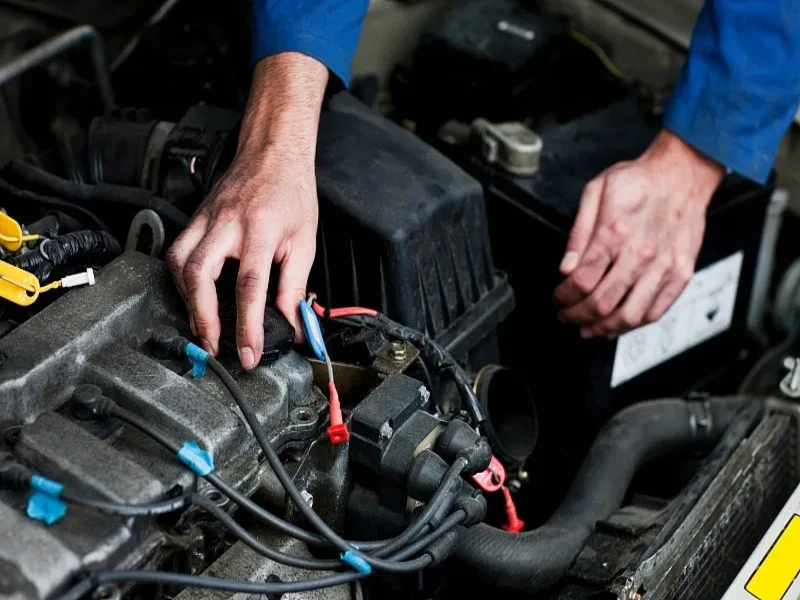
Passenger Vehicles (Cars & SUVs) : Steering angle sensors are generally designed to last the life of the vehicle, but failure rates increase after 150,000–200,000 kilometers (90,000–120,000 miles) due to internal wear of rotating contacts (for potentiometer-based older designs) or magnetic degradation and connector corrosion (for modern Hall-effect sensors).
Commercial Vehicles (Trucks & Buses) : Replacement typically needed every 300,000–500,000 kilometers (180,000–300,000 miles) or after steering system repairs (steering gear replacement, column work) that disturb the sensor mounting.
Vehicles After Accident Damage: Steering angle sensors should always be recalibrated or replaced after front-end collisions, airbag deployment, or any steering component replacement that changes the steering wheel’s center position.

√Electronic Stability Control (ESC/ESP) warning light illuminated on the dashboard — often accompanied by ABS or traction control lights
√Loss of ESC functionality — vehicle may oversteer or understeer without corrective braking from the stability system
√Adaptive front lighting (AFS) fails — headlights no longer swivel when turning the steering wheel
√Lane keeping assist (LKA) or lane departure warning becomes inoperative
√Power steering assist feels inconsistent or electric power steering (EPS) warning light appears
√Park assist or 360° camera system malfunctions (these systems use steering angle for trajectory lines)
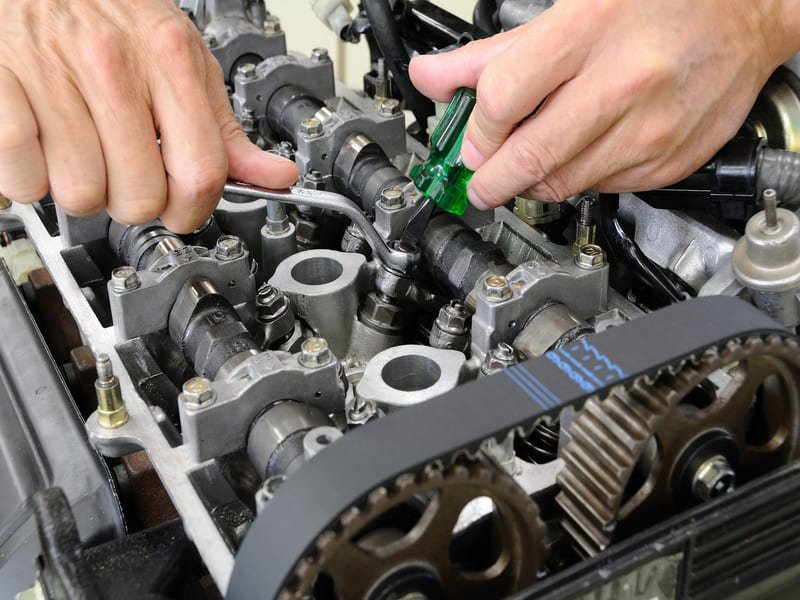
While offering OEM steering angle sensor replacements, emphasize proper installation practices:
√Disconnect the battery negative terminal before removing the steering wheel or airbag — also prevents airbag deployment
√Never rotate the sensor housing or the steering wheel with the sensor removed or the clock spring uncentered — this can destroy the sensor’s internal mechanism or cause inaccurate readings
√Center the new sensor to its mechanical zero position before installation — most sensors have alignment marks (arrows, dots) indicating the straight-ahead position
√Ensure the steering wheel is centered and the front wheels are pointing straight ahead before installing the sensor
√Do not force the sensor onto the steering column — align the splines or locating pins carefully
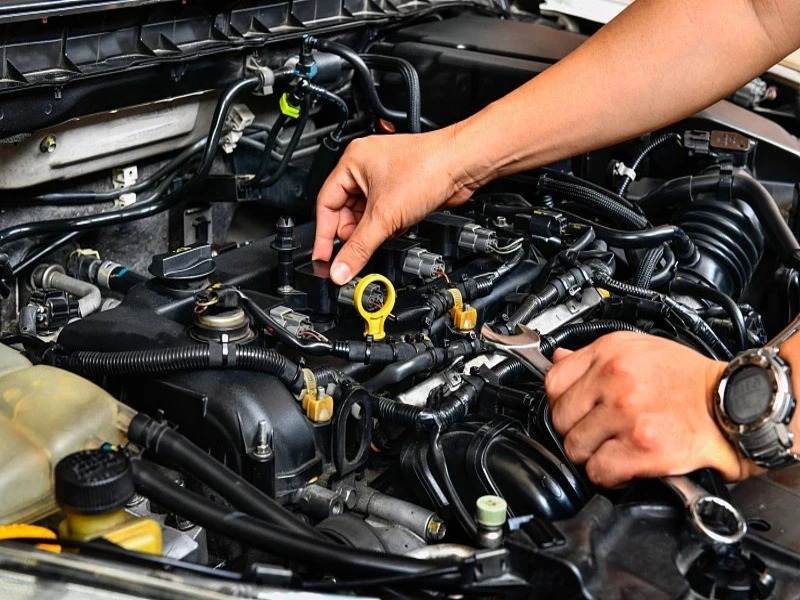
Cold winters stiffen lubricants and cause signal lag; road salt corrodes connectors. Hot summers age seals and cause thermal drift. Frequent lock-to-lock steering accelerates mechanical wear. Any collision or steering repair changes the zero point — requiring recalibration even if the sensor works. Recommending recalibration after alignment or steering service, checking connectors for corrosion, and acting on warning lights extends sensor life and maintains safety functions.
WhatsApp:+86-13450358058
Tel: +86-13450358058
E-mail: jasmine@zhenhuaauto.com
Address: Guangyuan East Road, Tianhe District, Guangzhou City, Guangdong Province, China

Reliable Zhenhua Auto Parts
Help You Live a Better Life



WhatsApp us