Contact us for free:
Speak to our experts in 1 min
Provide quotation in 1 hour
Contact us for free:
Speak to our experts in 1 min
Provide quotation in 1 hour
首页 » Products » Engine System Parts » Oxygen Sensor
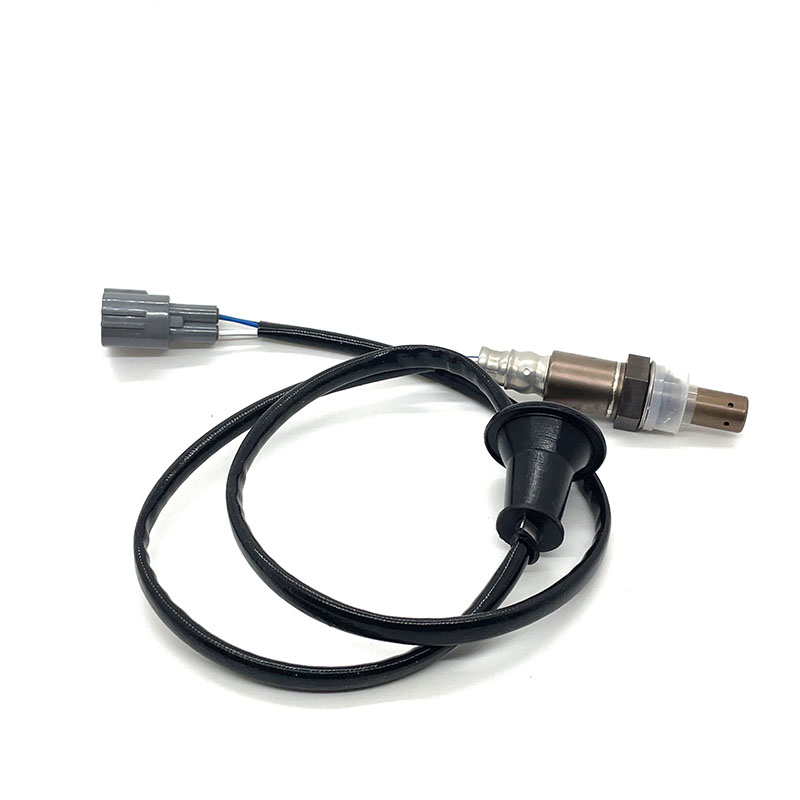
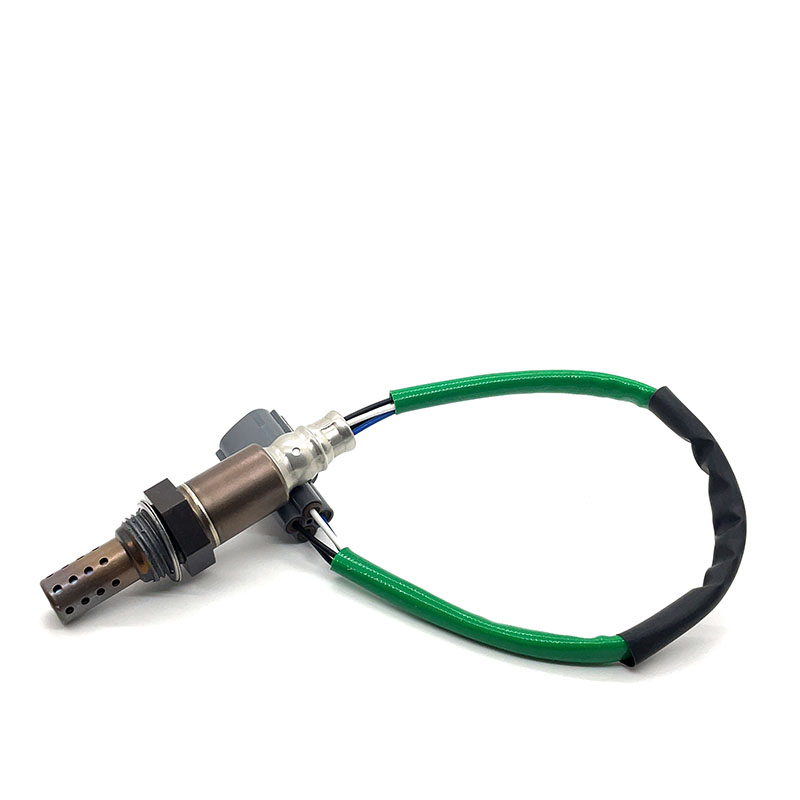
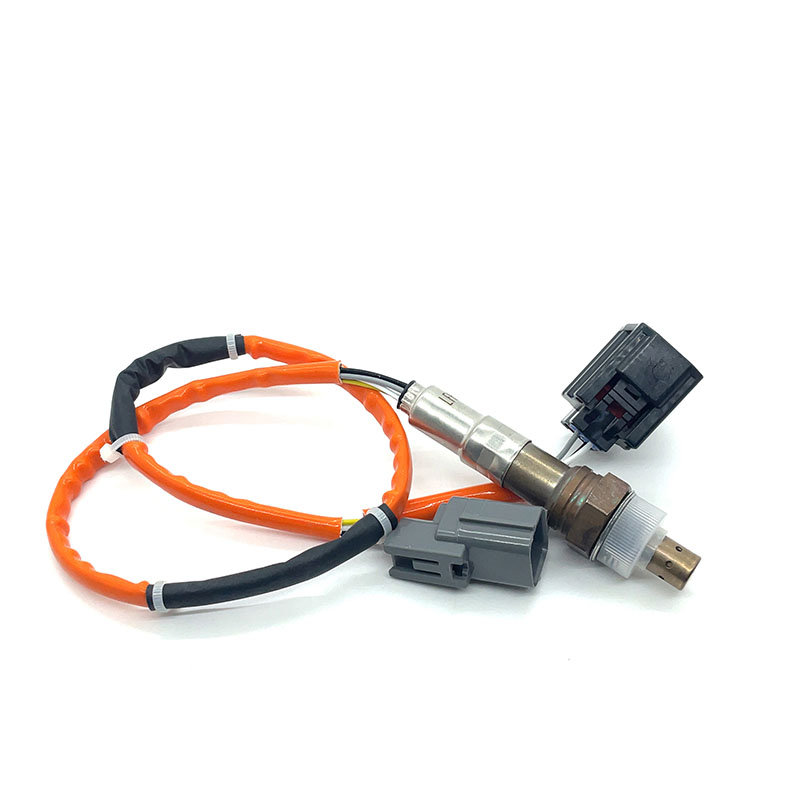
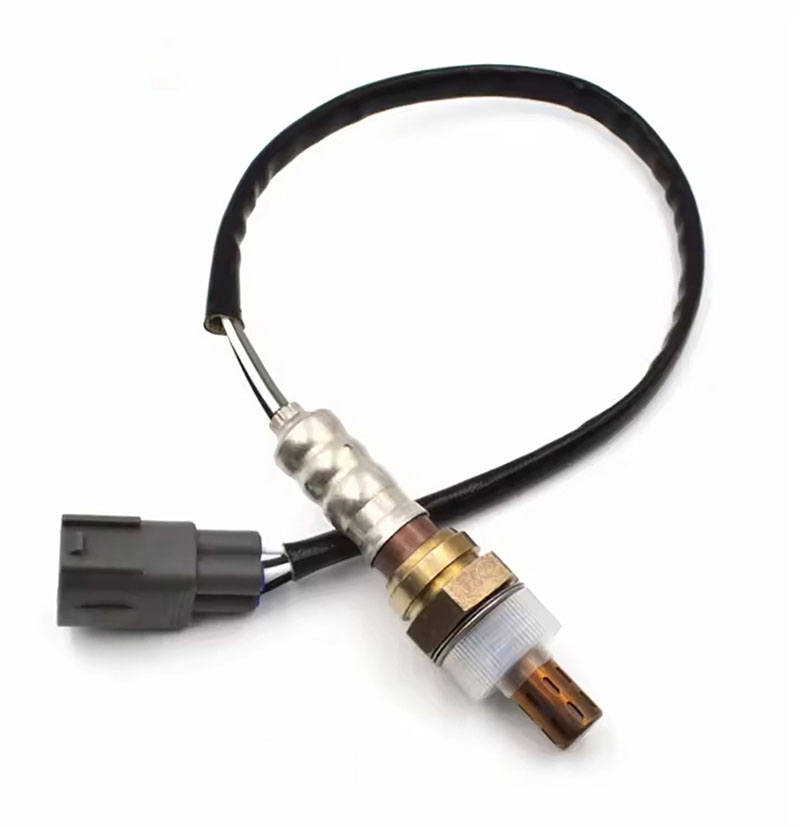
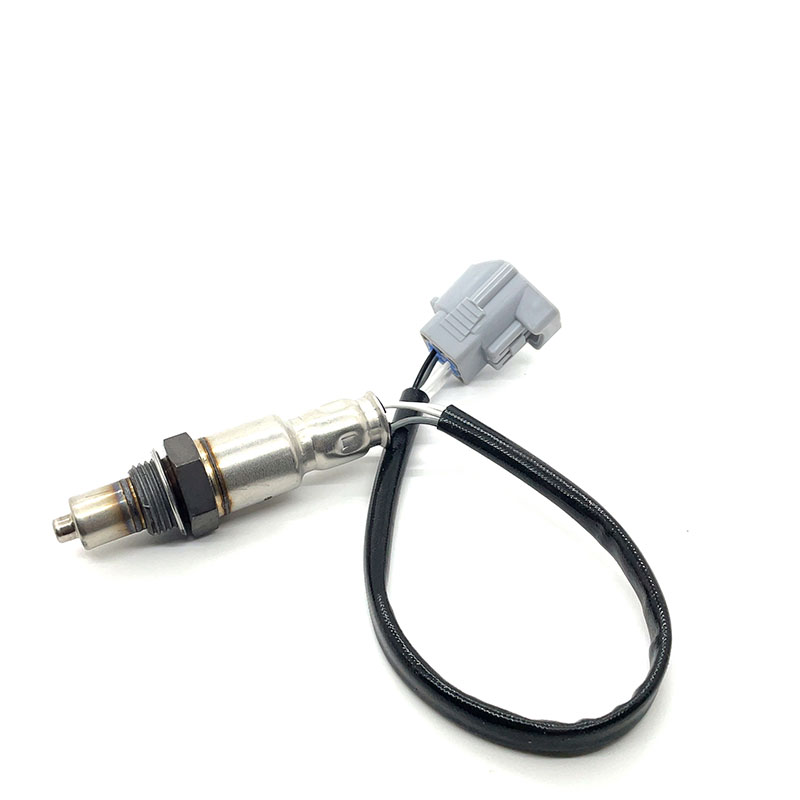
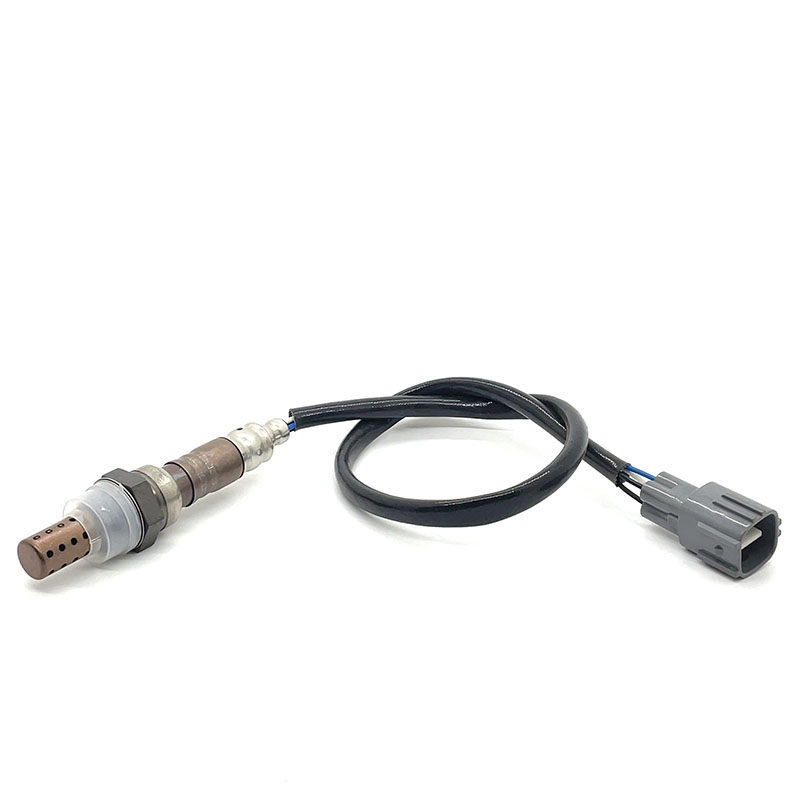
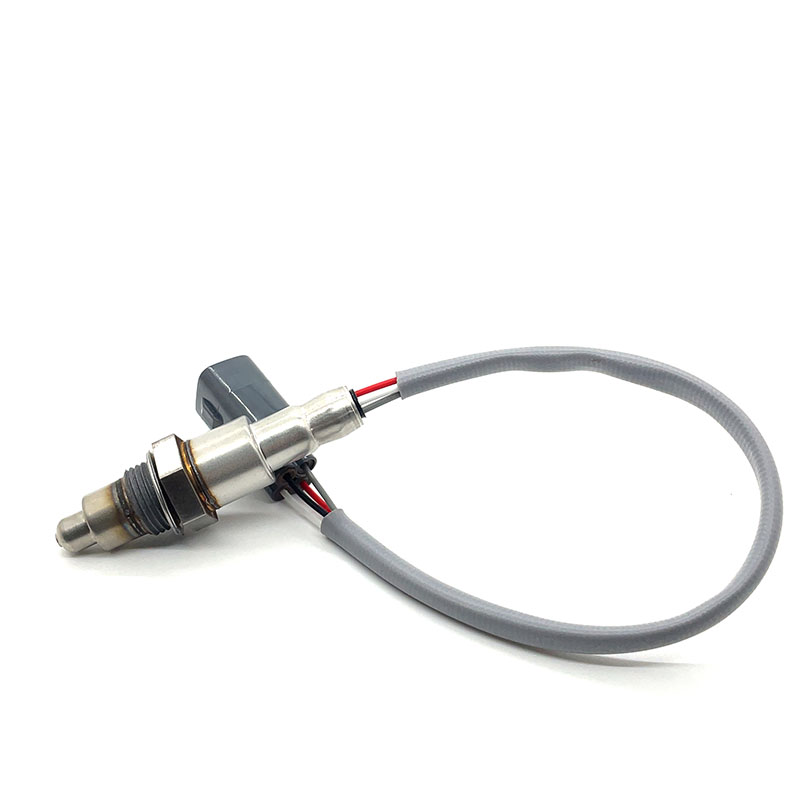
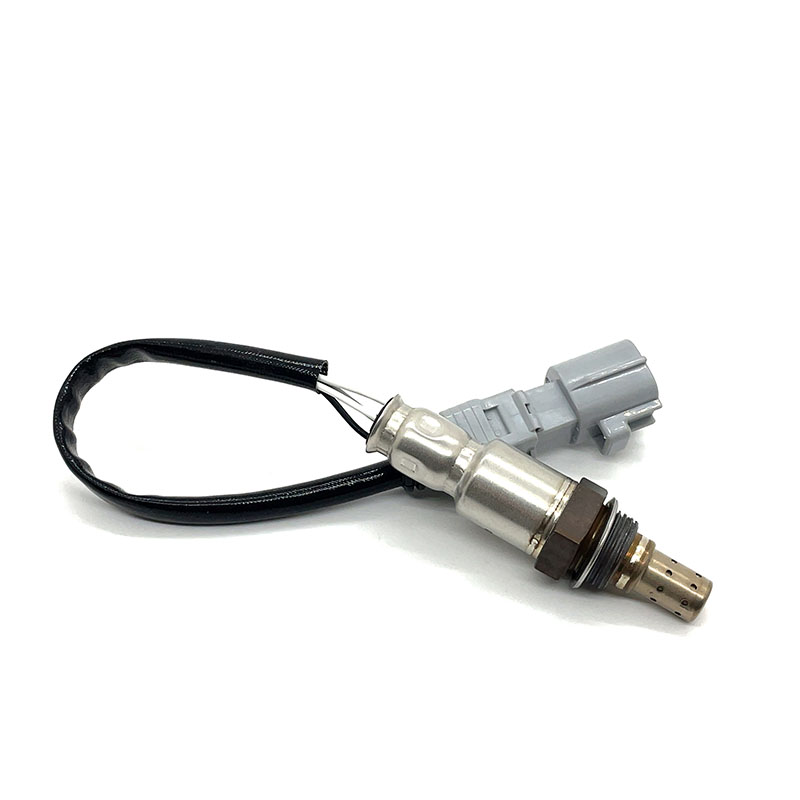
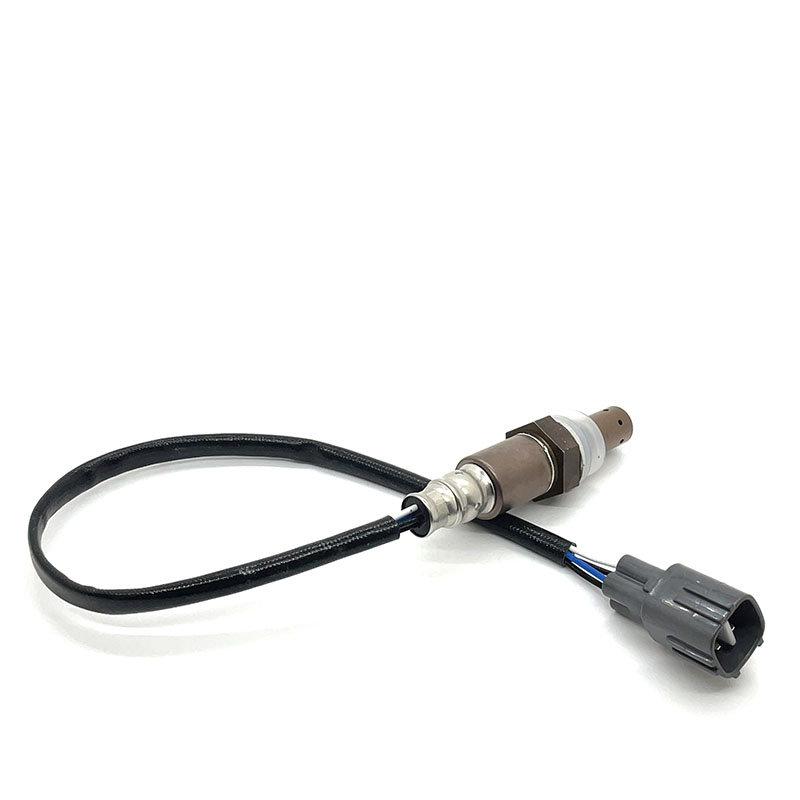
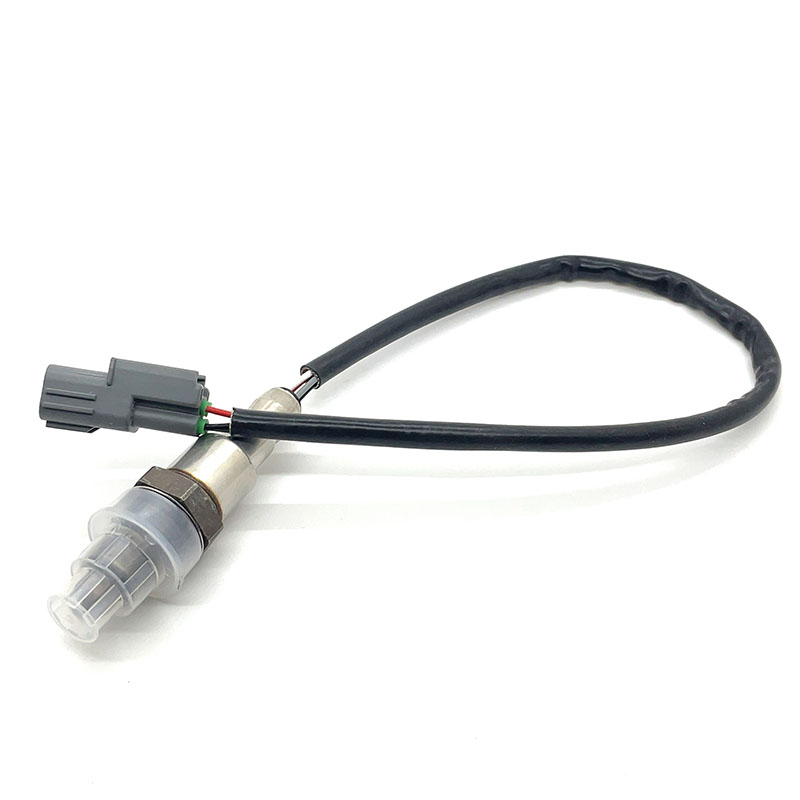
Modern vehicles are equipped with oxygen sensors (O2 sensors) mounted in the exhaust system to monitor oxygen levels in exhaust gases. These sensors measure the air-fuel ratio and send real-time data to the engine control module (ECM), which adjusts fuel delivery and ignition timing for optimal combustion. By maintaining the ideal 14.7:1 air-fuel mixture, the oxygen sensor maximizes fuel efficiency, reduces emissions, and protects the catalytic converter. A faulty sensor can lead to poor fuel economy, rough idling, hesitation during acceleration, and an illuminated check engine light.
As a professional oxygen sensor manufacturer and supplier since 2007, YZHIDIANF combines 19 years of expertise with our own 3,000+ m² facility. We serve global clients requiring OEM replacements, custom development, and wholesale or bulk orders — backed by strict quality control and responsive B2B support.
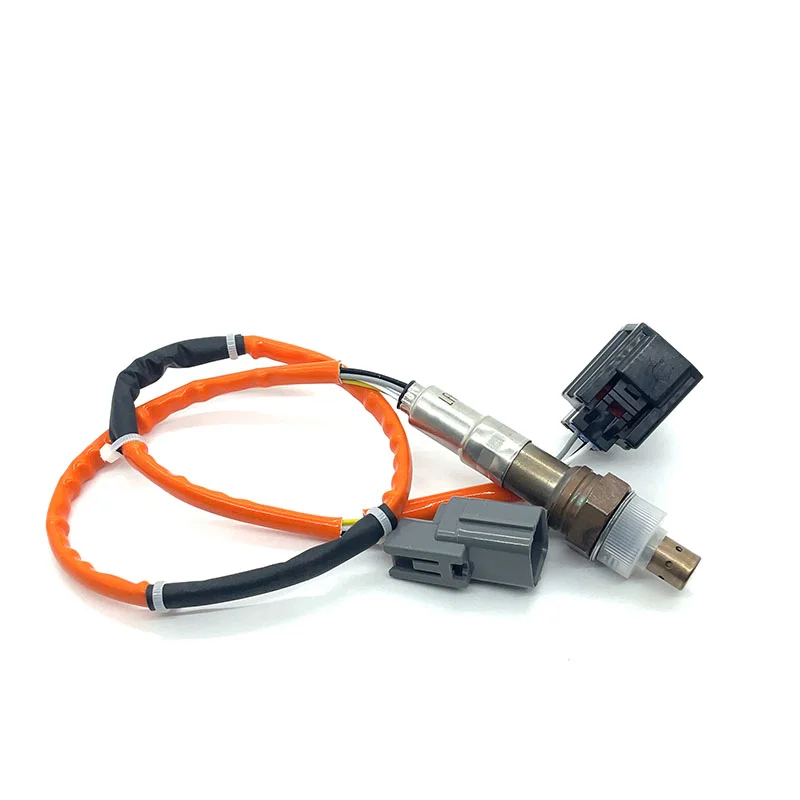
YZHIDIANF oxygen sensors are precision-engineered to help modern vehicles meet stringent emissions standards by ensuring optimal combustion efficiency. By continuously monitoring exhaust gas composition and providing accurate feedback to the engine control module, our sensors enable precise air-fuel ratio regulation—reducing harmful emissions such as carbon monoxide, hydrocarbons, and nitrogen oxides. This makes them a critical component in supporting global energy-saving and emission-reduction initiatives, helping vehicle manufacturers, fleet operators, and individual owners contribute to cleaner air and environmental sustainability.
Efficient oxygen sensors play a vital role in minimizing unnecessary wear and tear on engine components. YZHIDIANF oxygen sensors help maintain the ideal air-fuel balance, preventing issues such as carbon buildup, catalytic converter overheating, and incomplete combustion that can lead to costly repairs. By promoting stable engine operation and reducing stress on the emission control system, our sensors extend the service life of critical components—ultimately lowering maintenance and repair costs for vehicle owners and fleet operators alike.
With precise combustion regulation enabled by YZHIDIANF oxygen sensors, drivers can enjoy smoother acceleration, consistent power delivery, and improved throttle response across all driving conditions. The real-time feedback provided by our sensors allows the engine control module to make instantaneous adjustments, eliminating hesitation, rough idling, and power fluctuations. This results in a more responsive and comfortable driving experience—whether navigating city streets, highways, or challenging terrain—enhancing overall vehicle performance and driver satisfaction.
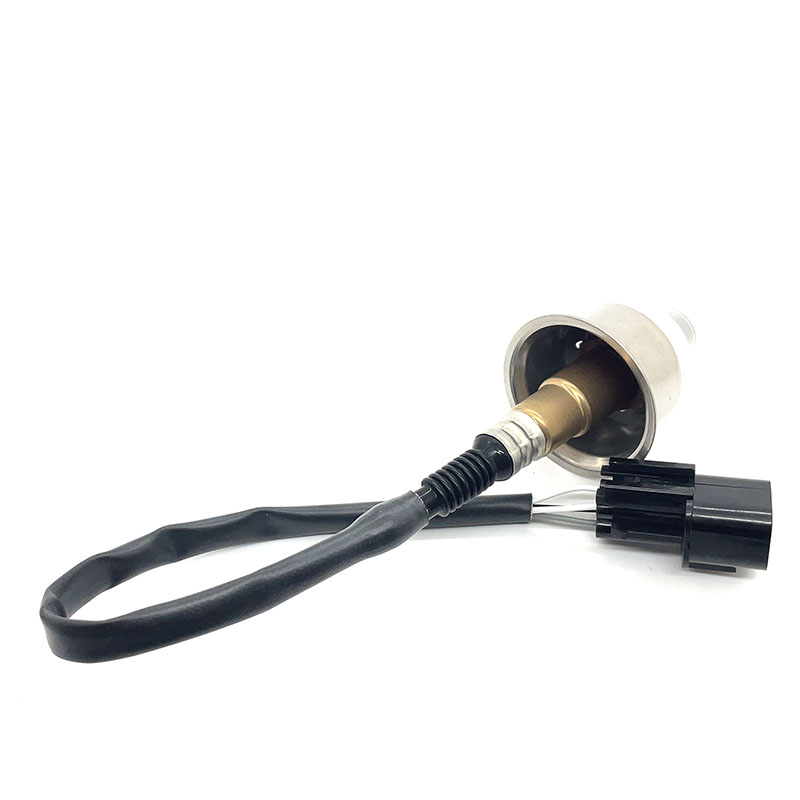
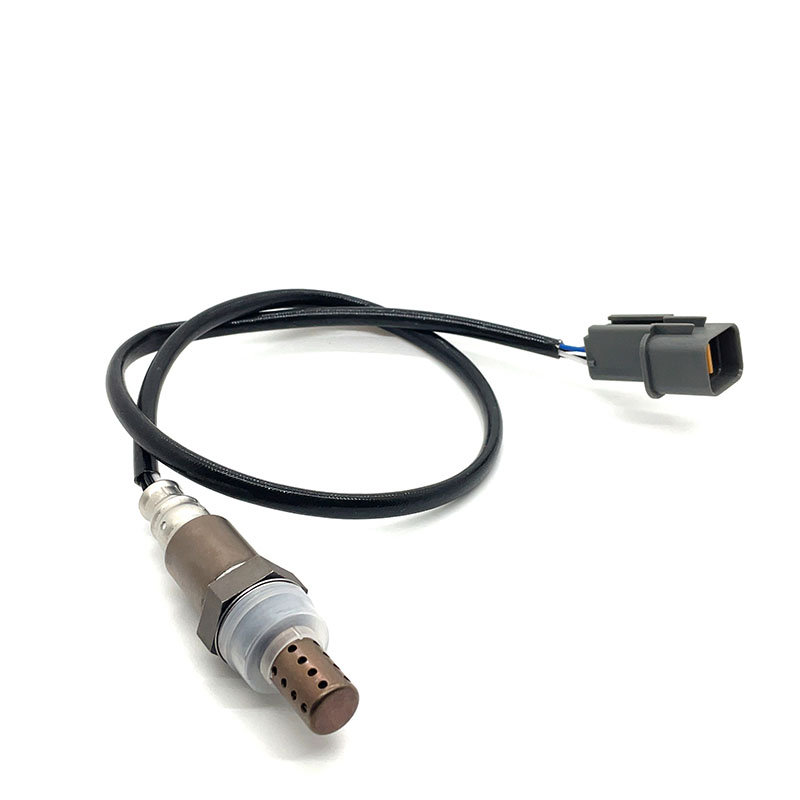
YZHIDIANF oxygen sensors are designed with broad vehicle compatibility in mind, covering a diverse range of makes, models, and engine types—from passenger cars and light trucks to commercial vehicles and specialized equipment. Our product portfolio includes both upstream and downstream sensors, with options for various connector types, thread sizes, and sensor technologies to meet specific application requirements. Whether customers need direct-fit OEM replacements or custom-engineered solutions, we offer flexible options that ensure proper fitment, reliable performance, and seamless integration across diverse vehicle platforms.
Tailored Filtration Solutions for Your Brand and Technical Requirements
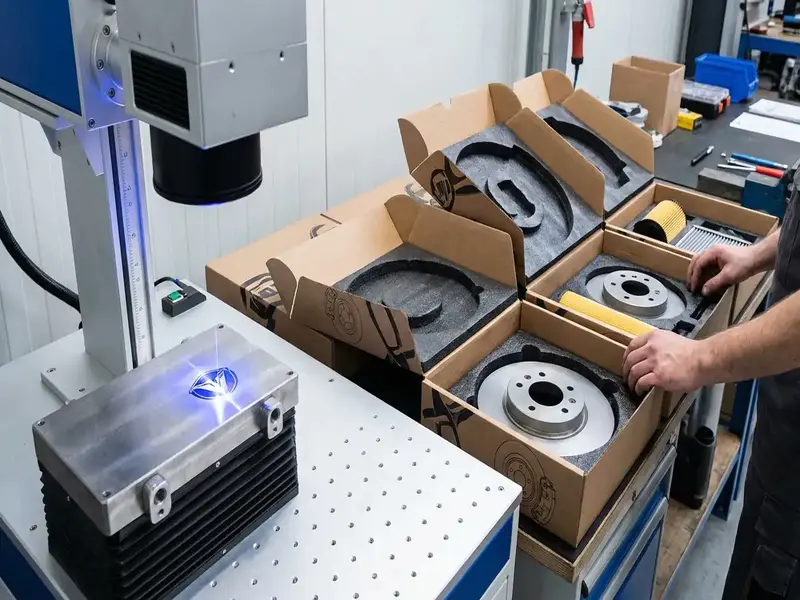
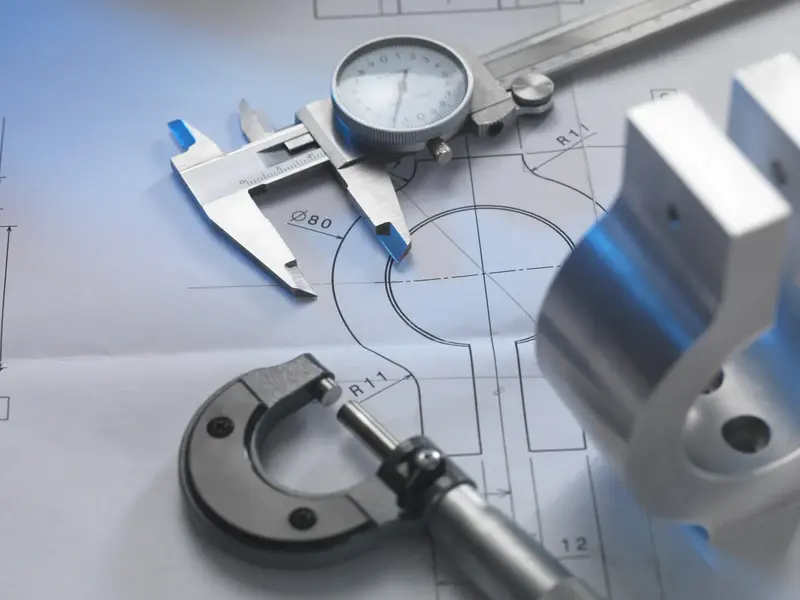
As a leading custom oxygen sensor manufacturer, YZHIDIANF offers comprehensive personalization options that enable you to differentiate your brand in the marketplace while meeting specific technical specifications.
Streamlined Partnership from Inquiry to Ongoing Support
Working with YZHIDIANF as your oxygen sensor manufacturer follows a transparent, efficient process designed to make international collaboration straightforward and successful.
Contact us with your requirements, including vehicle applications, estimated annual volumes, and any special requests for custom oxygen sensor or OEM oxygen sensor specifications. We respond within 24 hours with competitive pricing, product recommendations, and samples availability information.
Our technical team collaborates with you to finalize product specifications, ensuring proper fitment and performance. For clients requiring wholesale oxygen sensor branding, we develop logo artwork, packaging designs, and approve samples before mass production begins.
Upon order confirmation, our production team schedules manufacturing according to your timeline. Throughout production, we maintain quality control checkpoints and can provide progress updates and pre-shipment inspection reports upon request.
Finished products receive careful packaging suitable for international transport, with options for neutral, branded, or retail-ready presentation. We coordinate shipping via air freight (UPS, DHL, FedEx) or sea freight according to your bulk oxygen sensor order requirements, and can work with your preferred freight forwarder.
After shipment, we provide tracking information and remain available for any questions during transit. Our one-year warranty and responsive customer service ensure that any issues receive prompt attention, maintaining your confidence in our partnership.
Essential Knowledge for Your Customers and Technical Support Team

It is recommended that the working condition of the oxygen sensor be regularly inspected to prevent performance degradation caused by the accumulation of dirt, carbon deposits, or oil contaminants. Over time, these deposits can reduce sensor responsiveness and compromise the accuracy of air-fuel ratio readings. Routine checks—especially during scheduled vehicle maintenance—help identify early signs of contamination or aging, allowing for timely cleaning or replacement to maintain optimal engine performance and emissions control.

If the check engine light illuminates on the dashboard, it may indicate a potential issue within the engine management system, including possible oxygen sensor malfunction. Modern vehicles store diagnostic trouble codes (DTCs) that can pinpoint sensor-related failures. Prompt diagnostics using an OBD-II scanner can determine whether the oxygen sensor has degraded, failed, or is providing inaccurate readings. Addressing fault codes early helps prevent further damage to the catalytic converter and ensures the vehicle remains compliant with emissions standards.
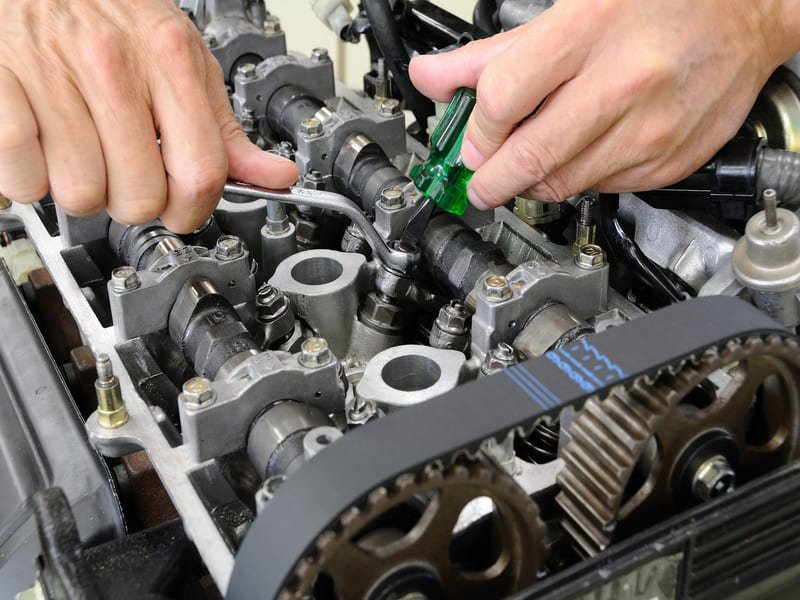
Using high-quality, detergent-added fuel promotes complete combustion and minimizes the formation of harmful deposits that can coat and contaminate oxygen sensors. Contaminants such as sulfur, silicone, and unburned carbon particles found in lower-grade fuels can accelerate sensor degradation, leading to reduced accuracy and premature failure. By choosing reputable fuel sources and maintaining clean fuel system components, vehicle owners can significantly extend the service life of oxygen sensors and preserve overall engine efficiency.
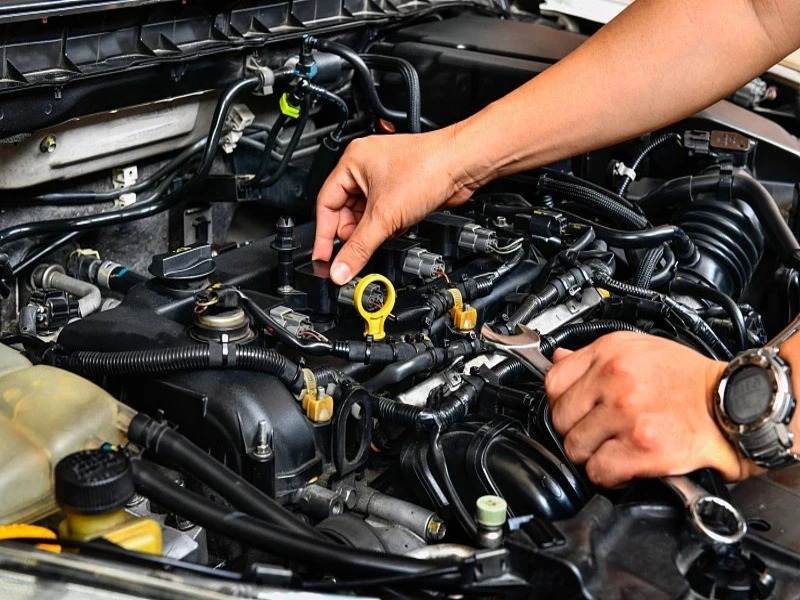
Adhering to the vehicle manufacturer’s recommended maintenance schedule is essential for ensuring oxygen sensor longevity and reliable performance. Maintenance manuals typically specify inspection intervals, replacement cycles, and operational precautions based on engine type, driving conditions, and emissions system design. Following these guidelines—including using only OEM-spec or equivalent replacement sensors—helps maintain proper engine calibration, protects emission control components, and ensures consistent vehicle performance throughout the sensor’s service life.
WhatsApp:+86-13450358058
Tel: +86-13450358058
E-mail: jasmine@zhenhuaauto.com
Address: Guangyuan East Road, Tianhe District, Guangzhou City, Guangdong Province, China

Reliable Zhenhua Auto Parts
Help You Live a Better Life



WhatsApp us