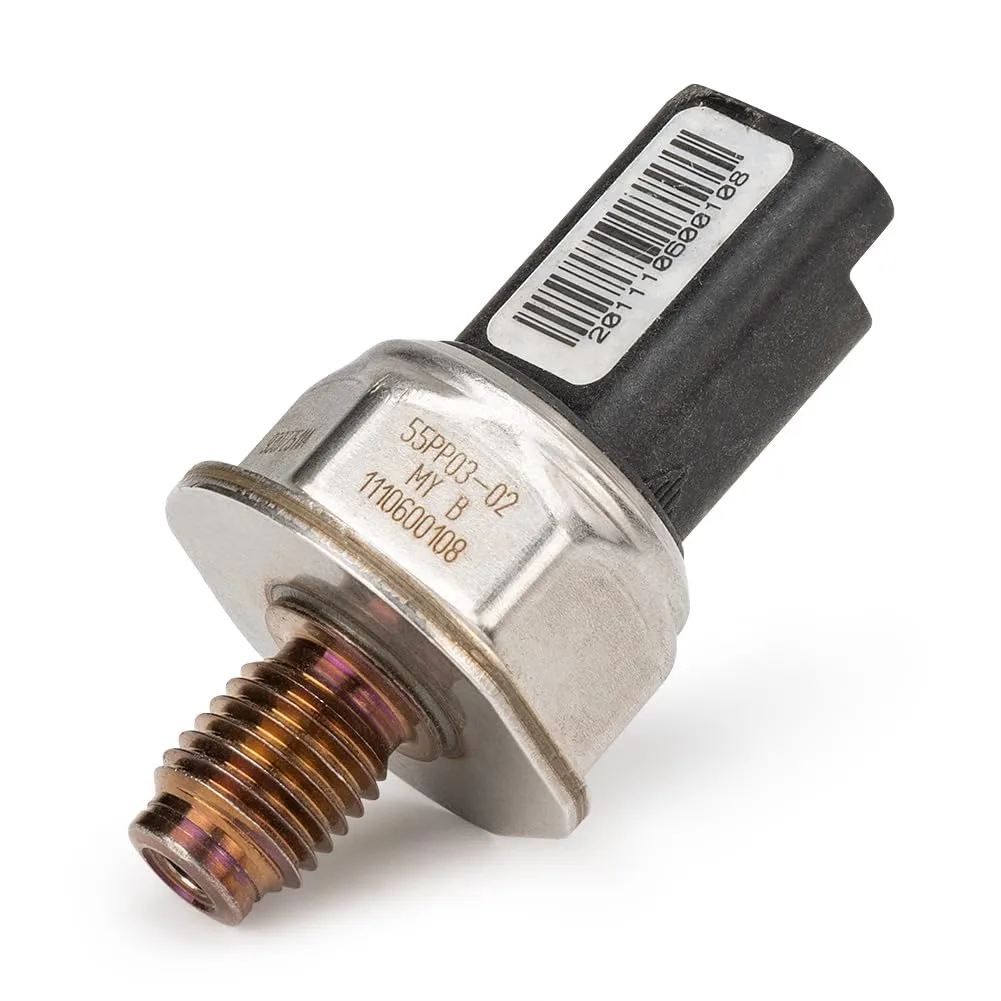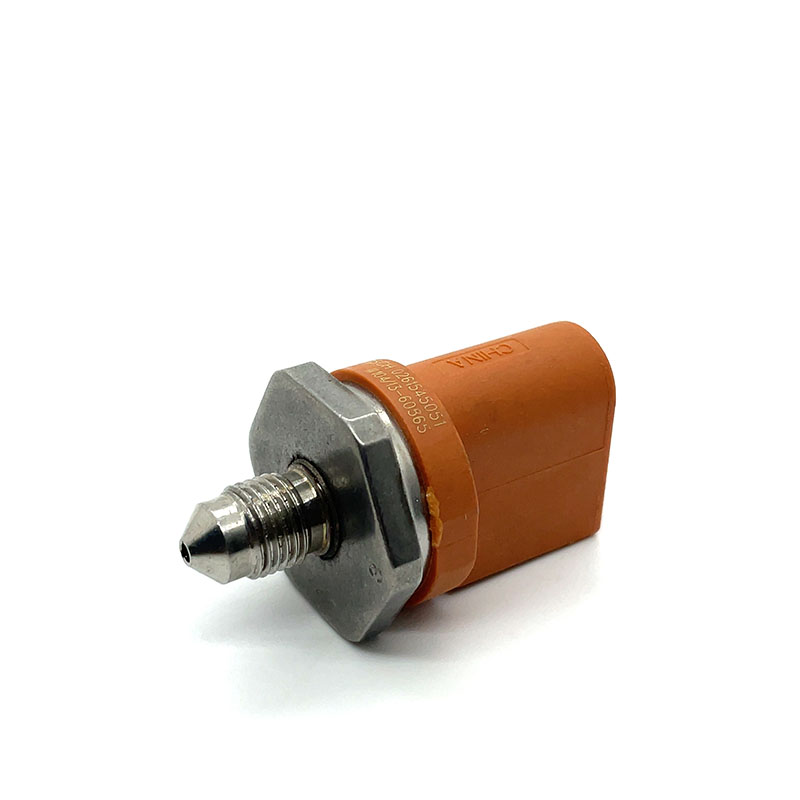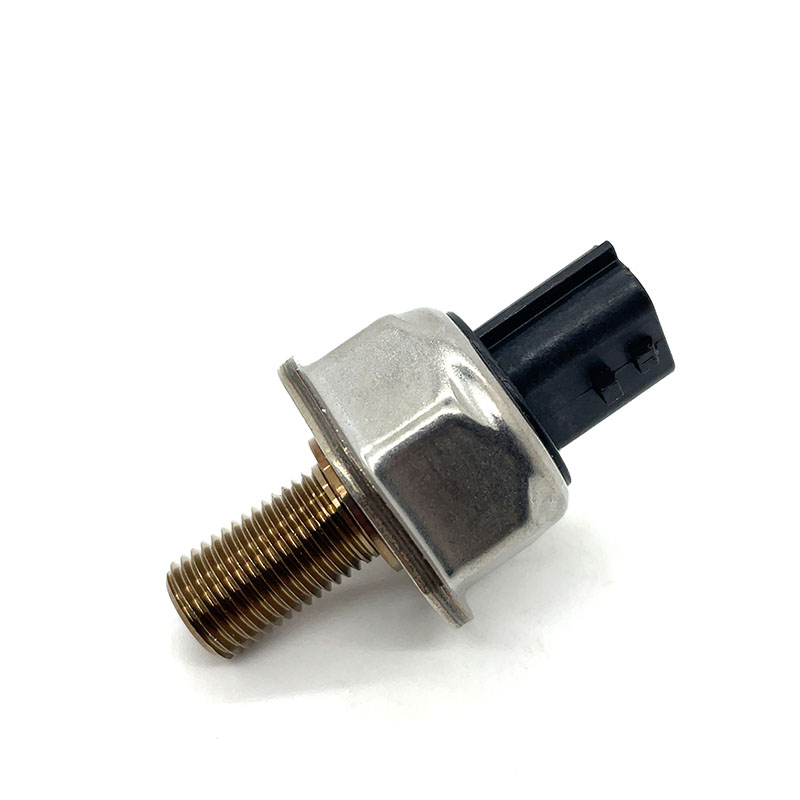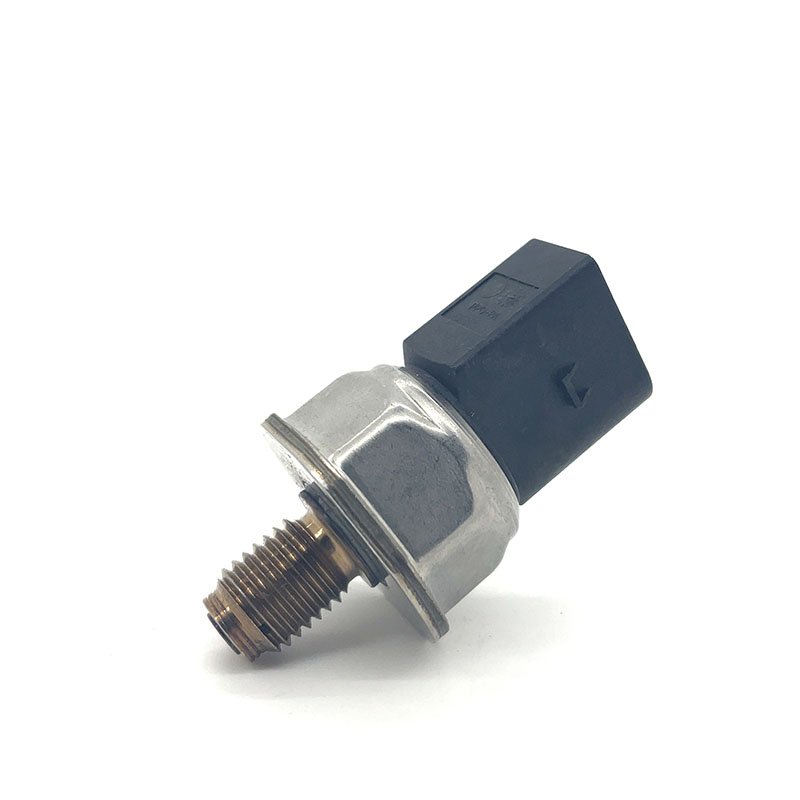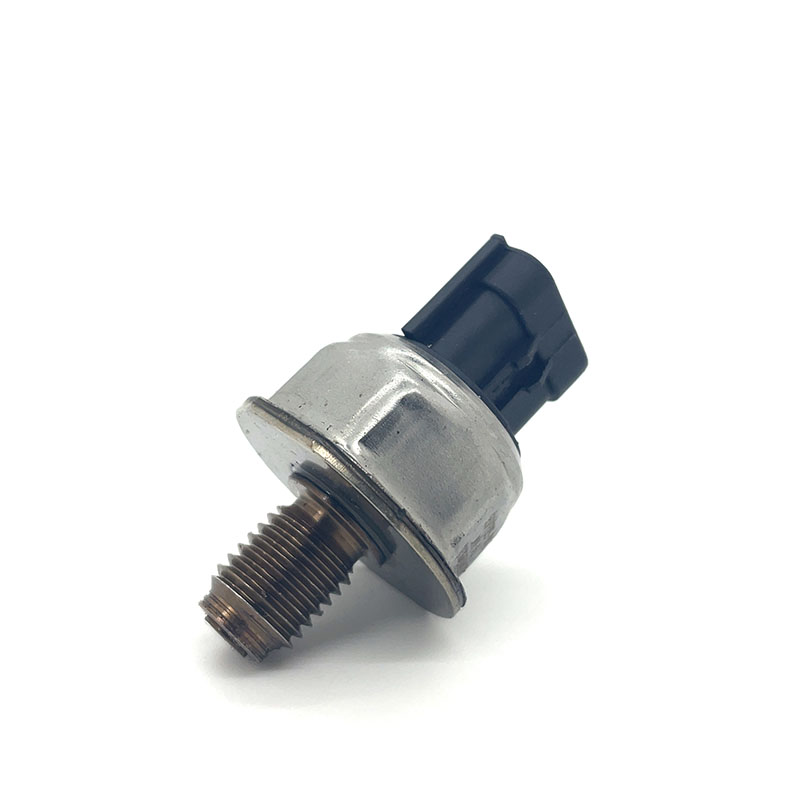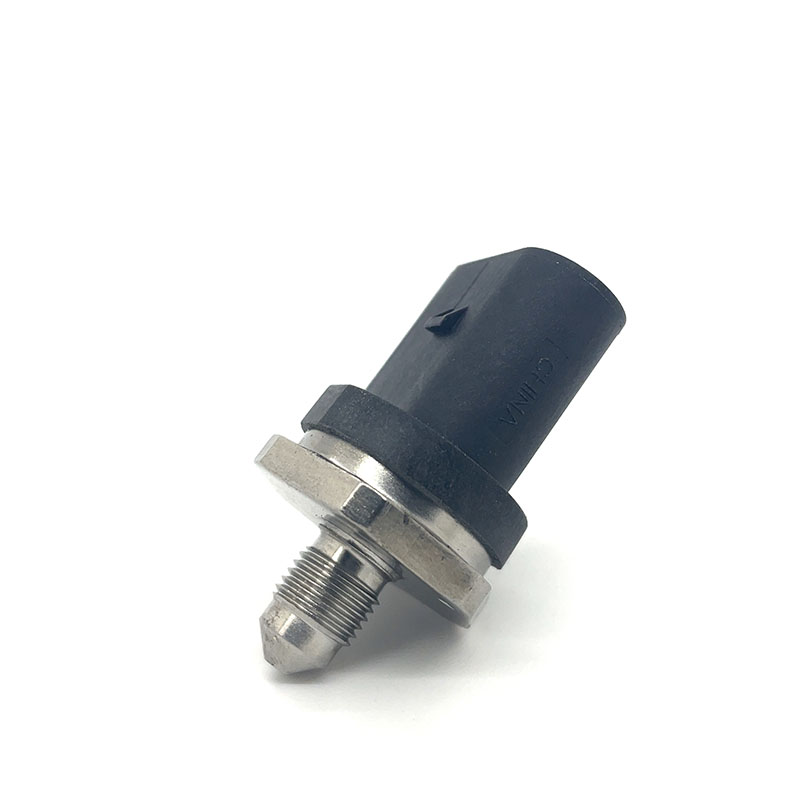
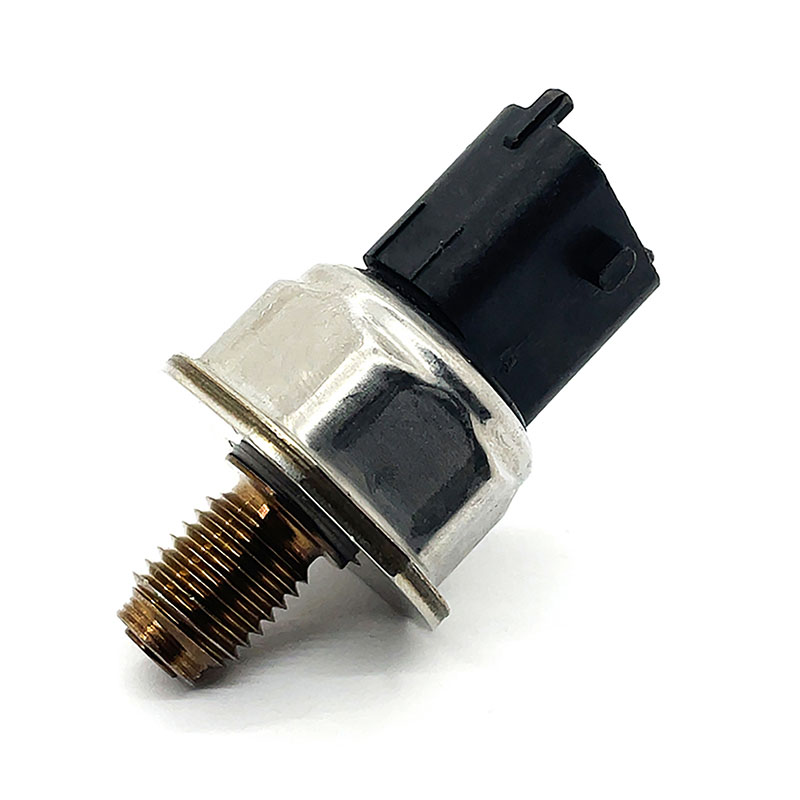
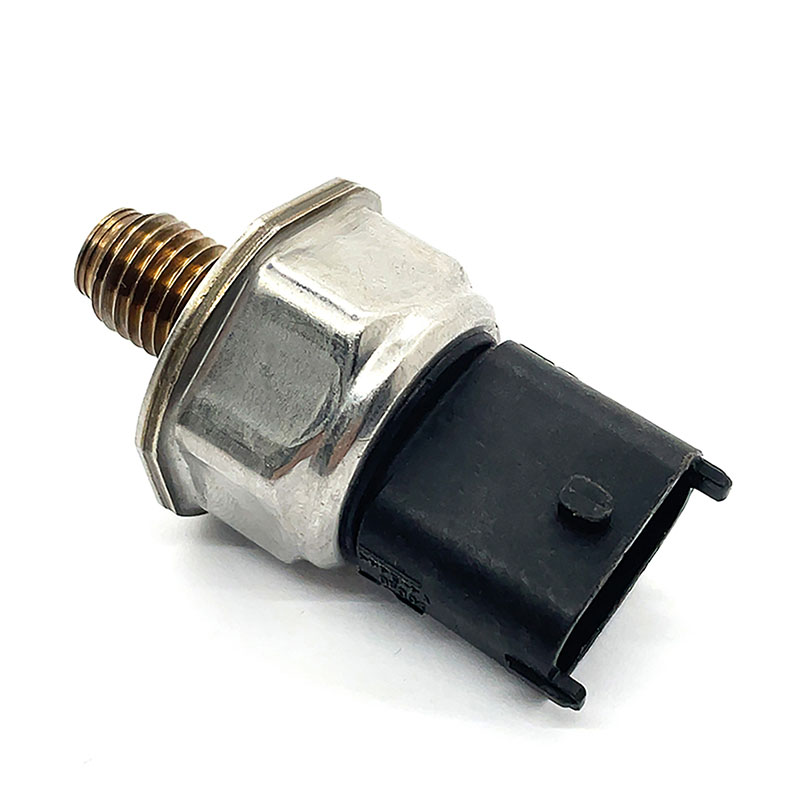
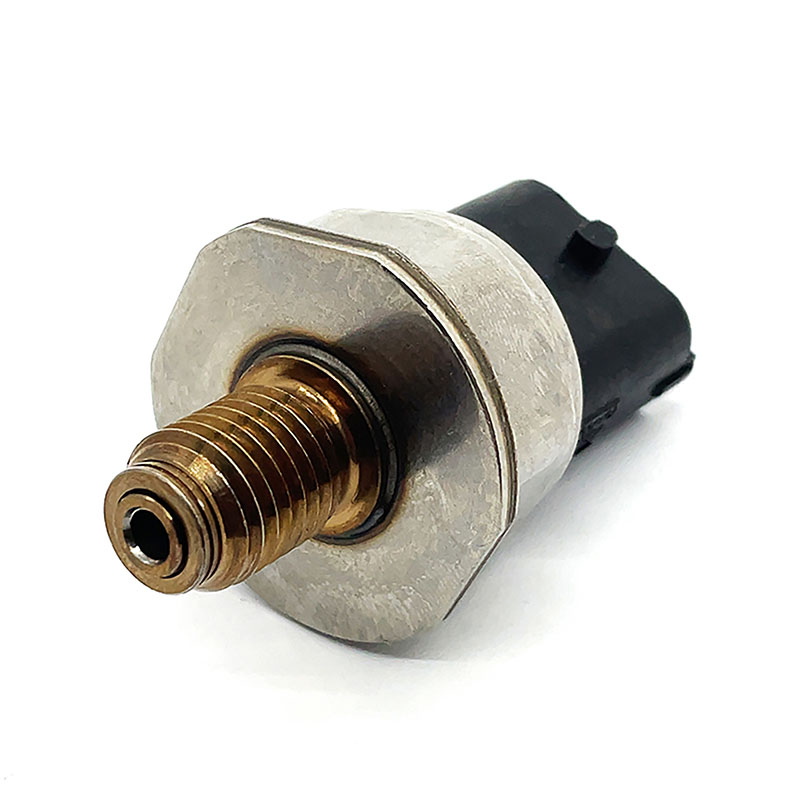
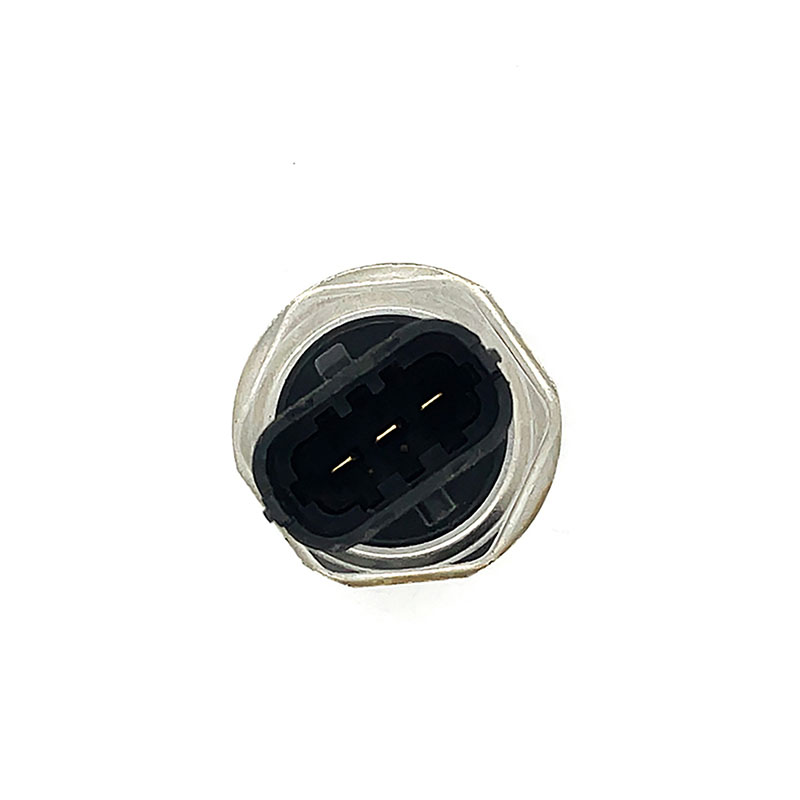
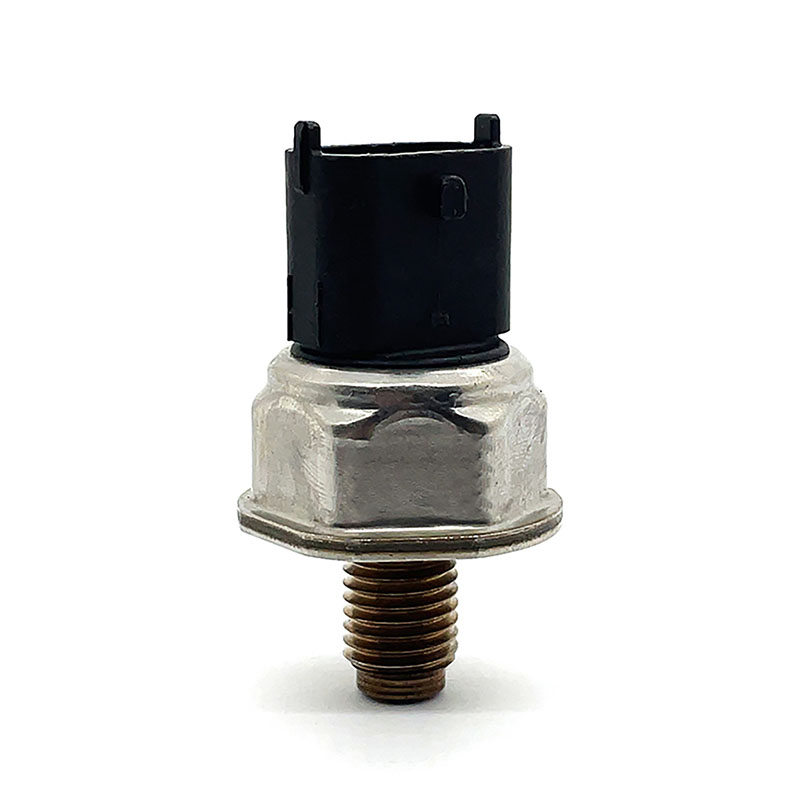
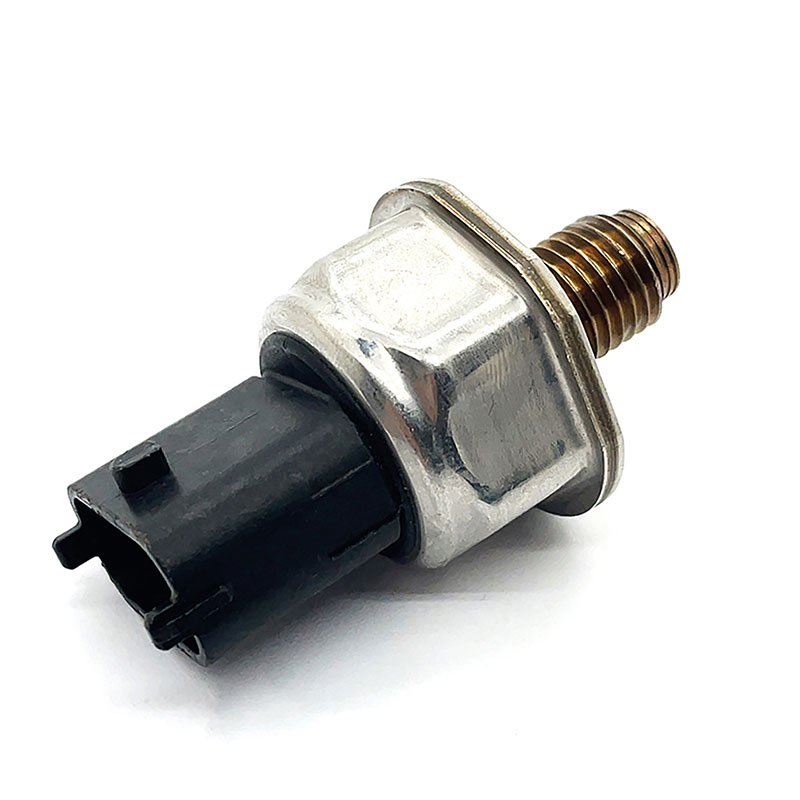
Introduction To 45PP3-1 Fuel Rail Pressure Sensor
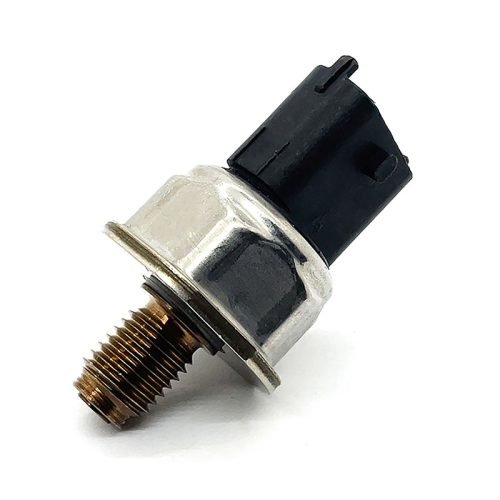
The 45PP3-1 is a 3-pin, 12mm-thread common rail fuel pressure sensor. It is built for diesel direct-injection engines that rely on accurate rail pressure signals to govern injector timing and fuel metering. It is cross-listed under 1465A034A, 8C1Q9D280AA, 1497163, 1570P1, and 12131913818. This sensor threads directly into the fuel rail manifold and reports real-time internal pressure to the Engine Control Unit (ECU) as an electrical signal.
Its most consistently documented fitment is for Nissan Navara D40 and Pathfinder R51 models with the 2.5L YD25 DCi/DDTi diesel engine. It also fits Mitsubishi L200 / Triton 4D56 diesel applications, Isuzu D-MAX and MU-X, and Holden Colorado and Rodeo variants on the same diesel platform. The wider 45PP3 series (45PP3-1 through 45PP3-6) is also referenced across Ford Transit MK7 TDCi, Land Rover Defender TD4, Fiat Ducato, Citroen Relay/Jumper, Peugeot Boxer, and Opel/Vauxhall Astra, Meriva and Zafira CDTI platforms. Please note that suffix variants in this family are not always functionally identical. Therefore, we recommend confirming the exact suffix against your vehicle’s VIN or existing sensor marking before bulk ordering for these secondary platforms.
Vehicle Compatibility & OE Reference List
Below is the full vehicle application scope and interchangeable OE part numbers for your quick reference.
| Vehicle Make | Vehicle Model | Model Years | Displacement |
|---|---|---|---|
| Ford | Transit Mk7 | 2006 – 2020 | 2.2 TDCi / 2.4 TDCi / 3.2 TDCi |
| Peugeot | Boxer (III) | 2006 – 2020 | 2.2 HDi |
| Citroën | Relay / Jumper (III) | 2006 – 2020 | 2.2 HDi |
| Fiat | Ducato (250) | 2006 – 2017 | 2.2 JTDM / 2.2 D |
| Land Rover | Defender | 2006 – 2020 | 2.4 TD4 |
| Nissan | Navara (D40 / D22) | 2005 – 2015 | 2.5 dCi / YD25DDTi |
| Nissan | Pathfinder (R51) | 2005 – 2011 | 2.5 dCi / YD25DDTi |
| Holden | Colorado (RC) | 2008 – 2012 | 3.0 TD (4JJ1-TC) |
| Isuzu | D-Max (8DH) | 2007 – 2012 | 3.0 TD (4JJ1) |
| Mitsubishi | Pajero / L200 | 2005 – 2018 | 3.2 DI-D (4M41) / 2.5 Di-D |
Compliance Notice: All vehicle brand names, model designations, and engine codes listed below are referenced strictly to provide technical fitment and compatibility information.
Verified Cross-Reference Ledger
| Reference Type | Part Number(s) |
|---|---|
| For Primary Stamped Number | 45PP3-1 / 45PP31 |
| For Nissan-Associated Reference | 1465A034A, 1465A034 |
| For Ford-Associated Reference | 8C1Q9D280AA, 8C1Q-9D280-AA, 8C1Q-94280-AA, 1497163, 1570P1 |
| Additional Catalog Numbers | 12131913818, 9665400680, 9664613880 |
| Series Relatives (Not Auto-Interchangeable) | 45PP3-2, 45PP3-3, 45PP3-4, 45PP3-5, 45PP3-6 |
Wholesale Trading Terms
MOQ
Our 45PP3-1 fuel rail pressure sensor, standard minimum MOQ is 10 pieces per model. We also accept mixed orders of different sensor models to meet your diverse sourcing needs.
Delivery Time
For all in-stock fuel rail pressure sensor, we can arrange shipment within 3-7 business days. For large-volume wholesale orders, the production and delivery cycle is approximately 20 to 25 business days.
Warranty Policy
All 45PP3-1 fuel rail pressure sensor come with a 12-month factory quality warranty. If any manufacturing defects occur during the warranty period, we will provide a free replacement.
OEM & Private Label Service
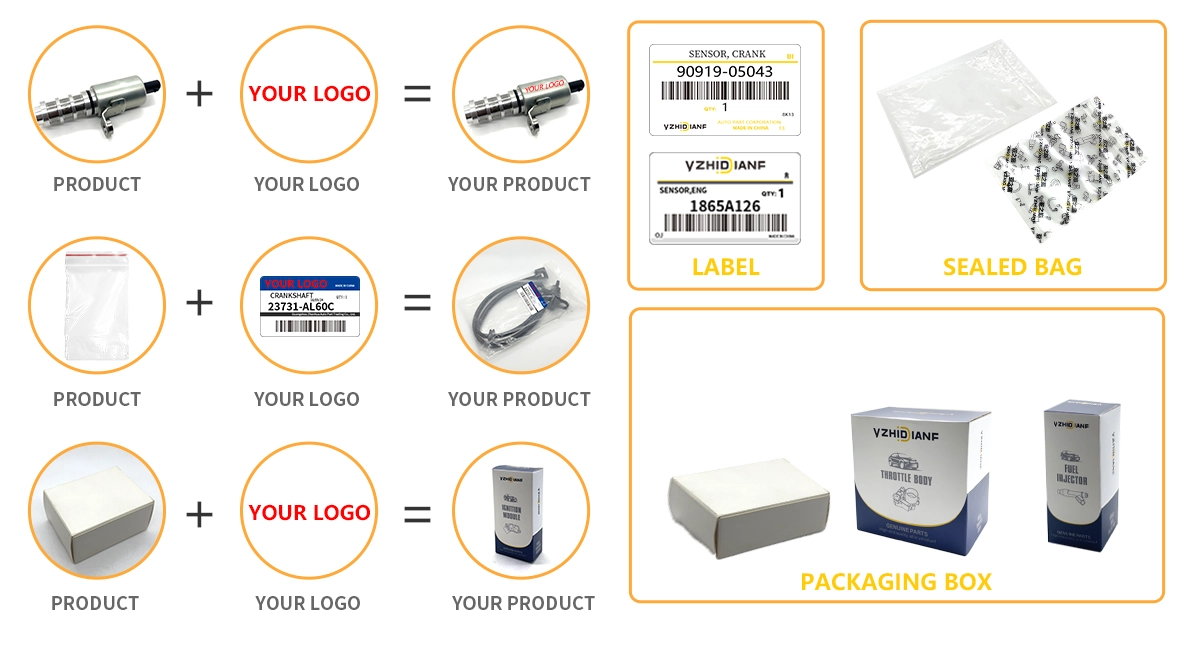
Our branded packaging can be customized in terms of size, raw materials, and packaging processes to meet the needs of different regional markets. Furthermore, we offer flexible and reliable production partnerships for global wholesalers, distributors, bulk buyers, and trading companies. In short, we provide a one-stop private label service, including laser-engraved logos, customized product labels, sealed plastic bags, and color box printing.
Installation Guidance
- Depressurize the Fuel System: Diesel common rail systems hold very high residual pressure. Follow manufacturer-specified depressurization steps before loosening any fitting.
- Locate and Disconnect: Identify the sensor on the fuel rail manifold. Disconnect the 3-pin electrical connector and inspect it for corrosion or damaged locking tabs.
- Remove the Old Sensor: Unthread the 12mm sensor body carefully; avoid applying side-load torque that could damage the rail port threads.
- Inspect Sealing Surface: Check the sealing washer or O-ring for cracking or deformation. Replace it if your service kit includes one.
- Install the Replacement Sensor: Hand-thread the new 45PP3-1 sensor, then torque to the vehicle manufacturer’s specified value. Do not overtighten, as excessive torque can damage the pressure-sensing diaphragm.
- Reconnect and Verify: Reconnect the 3-pin plug until it clicks, restore fuel pressure, and start the engine. Use an OBD-II scan tool to confirm no P0190–P0193 codes remain active.
Help Center
FAQ
Q1: What exactly does the 45PP3-1 sensor measure and why does it matter?
It measures real-time pressure inside the common fuel rail and reports this to the ECU. The ECU uses this signal to precisely control injector timing and fuel quantity. Therefore, an inaccurate reading directly affects combustion efficiency and engine smoothness.
Q2: What symptoms suggest the 45PP3-1 sensor needs replacement?
Common signs include hard starting, rough or unstable idle, hesitation under load, and reduced fuel economy. The engine may also enter a protective limp mode. A scan tool reading P0190–P0193 strongly points to this sensor or its wiring circuit.
Q3: Why is this sensor suitable for Nissan/Isuzu platforms while also covering European diesel vehicle platforms?
Several manufacturers sourced rail pressure sensors from shared diesel-injection supply chains, so the same series number can surface across multiple brands. We separate confirmed core applications from secondary series-level listings, so buyers can verify fitment accurately
Q4: What should installers check before fitting a replacement 45PP3-1 sensor?
Relieve fuel system pressure first, and inspect the sealing O-ring or washer for damage. Avoid overtightening the 12mm thread, and confirm the 3-pin connector locks securely. Always clear stored fault codes and test-drive after installation.