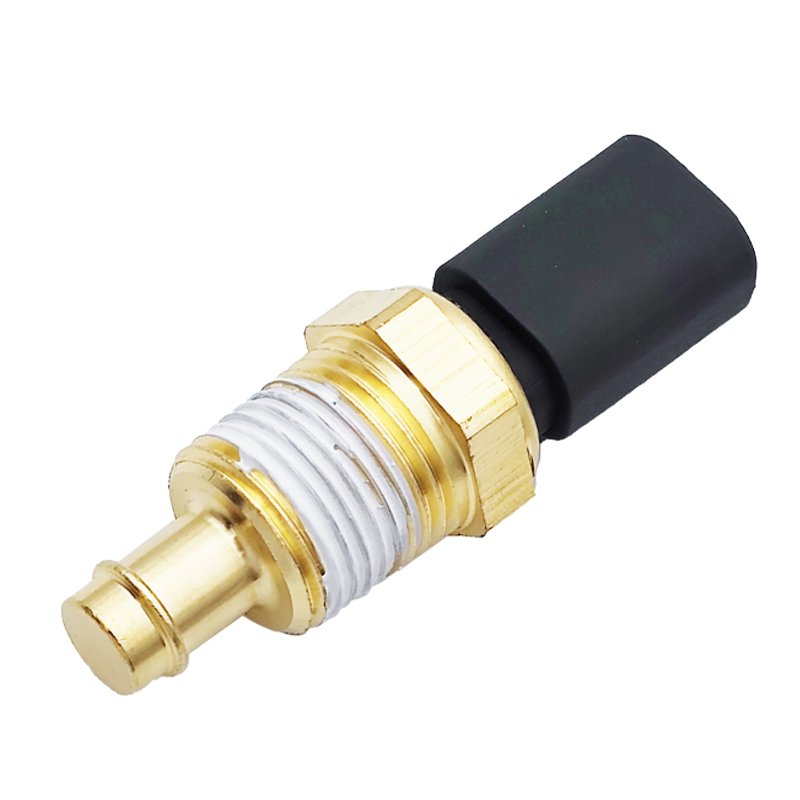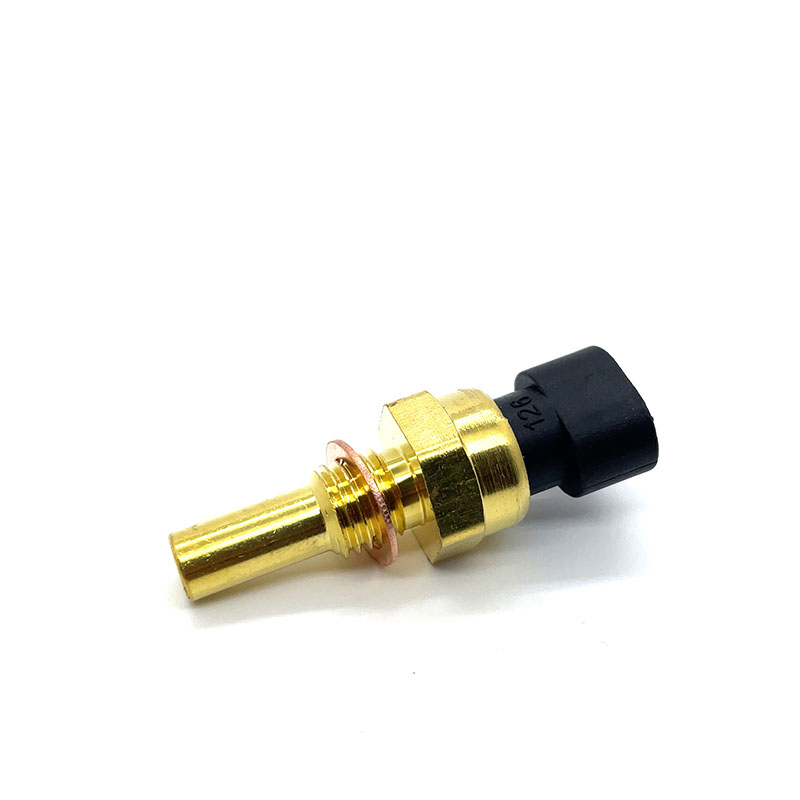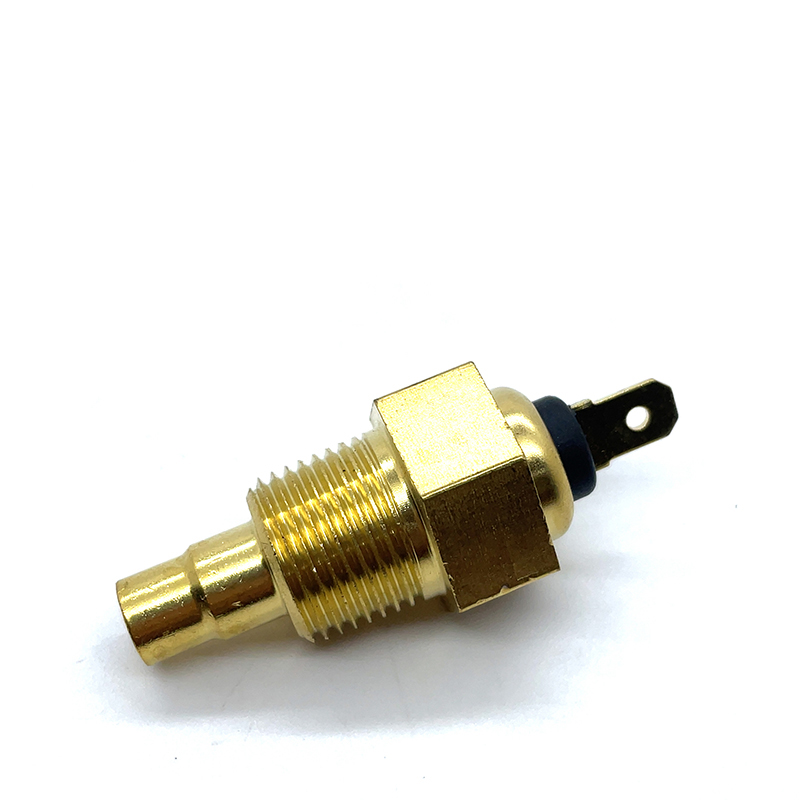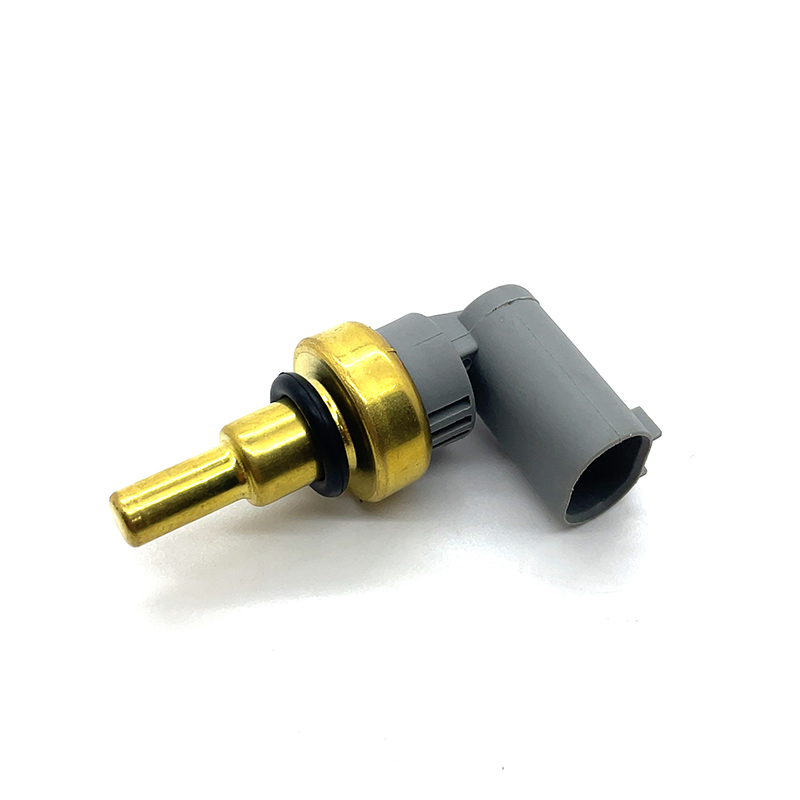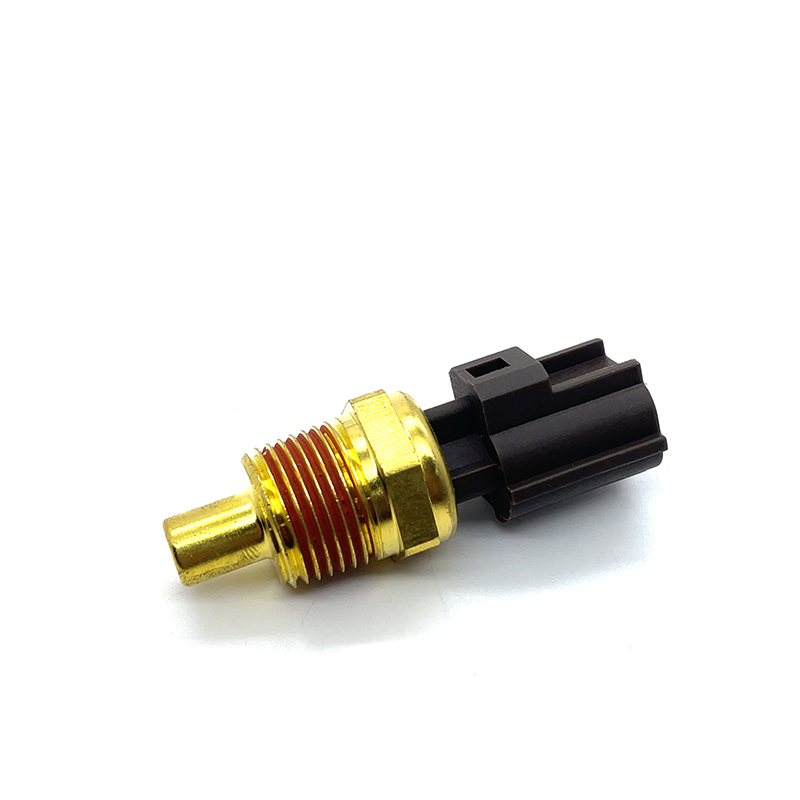


Introduction To 357919501A Coolant Temperature Sensor
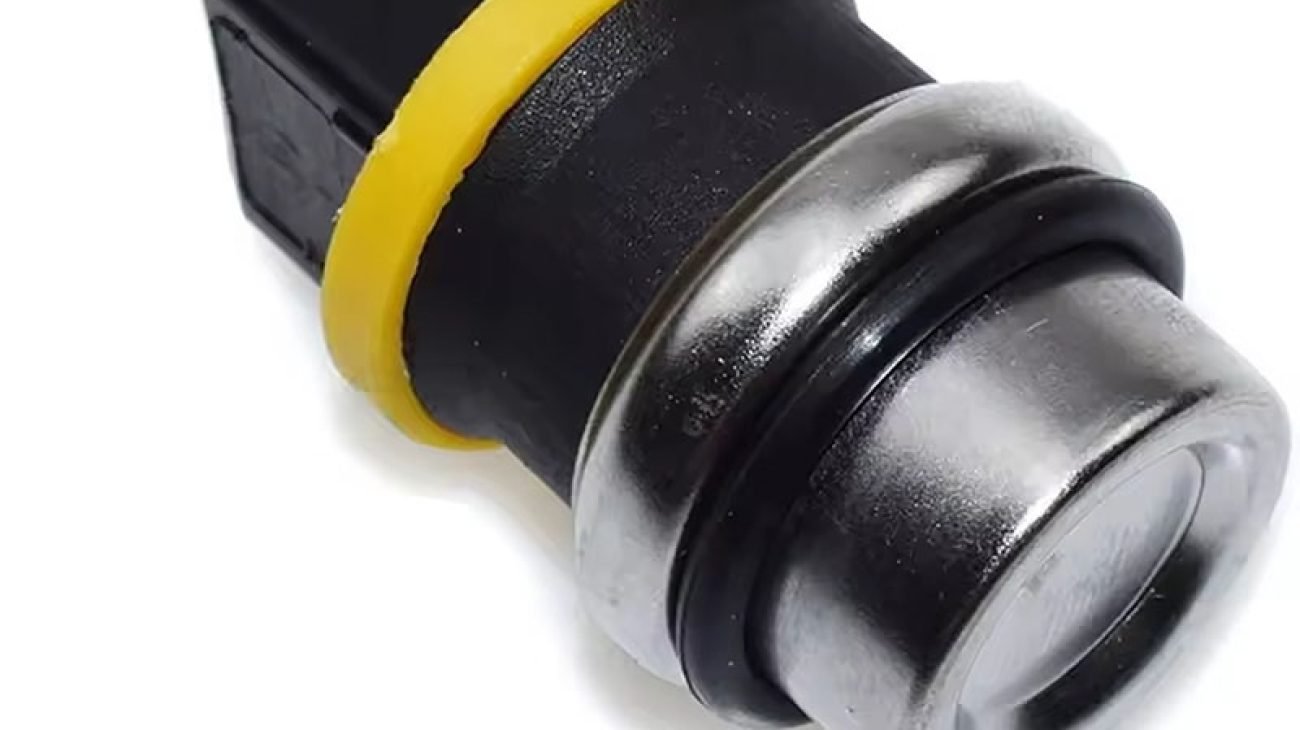
357919501A is a standards-compliant 4-pin Engine Coolant Temperature (ECT) sensor and gauge temperature signal sender. The product is a direct replacement (reference numbers: 357919501A and 6U0919501B). Its structural features include a 20 mm push-in/snap-in mounting stem and a black, durable housing with a prominent yellow identification ring. The sensor is widely used across a range of classic European models, For Volkswagen Golf Mk3 / GTI (1993–1999, including 1.8L, 2.0L 8V, 2.8L 12V VR6, and 1.9L TDI engines), For VW Jetta Mk3 / Vento (1993–1999), For VW Passat B3 / B4 (1992–1997), For VW Cabrio (1995–2002), For VW Corrado (1992–1995, 2.8L VR6 engine), For VW EuroVan / Transporter T4 (1992–2003, 2.5L / 2.8L engines), and For VW Polo / Caddy, among other models.
Internally, it integrates two independent negative temperature coefficient (NTC) thermistors, encapsulated in a corrosion-resistant brass sensing tip. Circuit 1 provides a precise analog resistance signal to the engine control unit (ECU) for fuel injection enrichment, cold-start timing control, idle stabilization, and staged activation of the cooling fan; circuit 2 provides the signal to the coolant temperature gauge on the instrument cluster. Replacing a sensor with degraded performance or data drift can resolve hard cold starts, unstable idle, engine “flooding,” cooling fan failure, inaccurate gauge readings, and overly rich fuel trim (rich air-fuel mixture), and can clear OBD trouble codes P0115, P0116, P0117, and P0118. The product comes with a high-temperature-resistant sealing O-ring and retaining clip, supports plug-and-play installation, and ensures no leaks after installation.
Vehicle Compatibility & OE Reference List
Below is the full vehicle application scope and interchangeable OE part numbers for your quick reference.
| Vehicle Make | Vehicle Model | Model Years | Displacement |
|---|---|---|---|
| VW | Golf / Golf GTI | 1993–1999 | 1.8L / 2.0L / 2.8L VR6 / 1.9L TDI |
| VW | Jetta / Vento | 1993–1999 | 1.8L / 2.0L / 2.8L VR6 / 1.9L TDI |
| VW | Passat | 1992–1997 | 2.0L 8V / 2.8L VR6 / 1.9L TDI |
| VW | Cabrio / Cabriolet | 1995–2002 | 2.0L 8V |
| VW | Corrado | 1992–1995 | 2.8L / 2.9L VR6 |
| VW | EuroVan / Transporter | 1992–2003 | 2.4D / 2.5L / 2.8L VR6 |
| VW | Polo / Caddy | 1995–2001 | 1.4L / 1.6L / 1.9L SDI/TDI |
| OE Part Numbers | 357919501A / 357 919 501 A / 6U0919501B / 6U0 919 501 B | ||
Compliance Notice: All vehicle brand names, model designations, and engine codes listed below are referenced strictly to provide technical fitment and compatibility information.
Wholesale Trading Terms
MOQ
Our coolant temperature sensor 357919501A, standard minimum MOQ is 10 pieces per model. We also accept mixed orders of different sensor models to meet your diverse sourcing needs.
Delivery Time
For all in-stock coolant temperature sensor, we can arrange shipment within 3-7 business days. For large-volume wholesale orders, the production and delivery cycle is approximately 15 to 20 business days.
Warranty Policy
Coolant temperature sensor 357919501A, come with a 12-month OE-quality warranty. If any manufacturing defect occurs within the warranty period, send us a video and we’ll offer a free return or exchange.
OEM & Private Label Service
Our branded packaging can be customized in terms of size, raw materials, and packaging processes to meet the needs of different regional markets. Furthermore, we offer flexible and reliable production partnerships for global wholesalers, distributors, bulk buyers, and trading companies. In short, we provide a one-stop private label service, including laser-engraved logos, customized product labels, sealed plastic bags, and color box printing.

Professional Installation Guidelines
- Safety Preparation: Allow the engine cooling system to cool down completely to ambient temperature. Slowly open the coolant expansion tank cap to relieve residual pressure, then retighten lightly.
- Locate the Sensor: Locate the 357919501A sensor mounted in the plastic coolant water outlet flange on the cylinder head (typically near the upper radiator hose connection).
- Disconnect Harness: Depress the wire or plastic retaining bail on the 4-pin square electrical plug and pull straight off.
- Remove Retaining Clip: Place a catch pan beneath the engine flange. Slide the plastic U-shaped retaining clip horizontally out of the slot.
- Extract Sensor & Old O-Ring: Pull the sensor straight out. Ensure the old rubber O-ring is removed from inside the flange recess (do not leave the old ring inside).
- Install New Sensor with Lubricated O-Ring: Fit the supplied new O-ring onto the brass collar of the new 357919501A sensor. Lightly moisten the O-ring with clean coolant and push the sensor firmly into the flange.
- Secure Clip & Reconnect: Slide the U-clip fully into the locking channels to lock the sensor in place. Reconnect the 4-pin wiring plug until locked. Top up coolant level in the expansion tank, run the engine to operating temperature, and verify there are no leaks.
Help Center
FAQ
Q1: Why does the 357919501A sensor feature 4 electrical pins and a yellow identification ring?
A: The 4-pin design integrates two independent NTC circuits in one brass body. One circuit sends coolant temperature data to the engine ECU. The other drives the instrument gauge. The yellow ring identifies its resistance curve for Mk3 and B4 era vehicles.
Q2: Why are part numbers 357919501A and 6U0919501B interchangeable across for VW and for Skoda?
A: Both numbers represent the same 4-pin clip-in coolant sensor. The 357919501A is the classic reference used across for VW, Seat, and Audi. Meanwhile, the 6U0919501B is the updated equivalent used for Skoda and late-production cooling flanges. Both share identical fit and calibration.
Q3: What engine symptoms and OBD-II fault codes indicate a failing 357919501A sensor?
A: A failing sensor triggers trouble codes P0115, P0116, P0117, or P0118. Common driving symptoms include hard cold starting, rough idle, and black exhaust smoke from rich fuel mixtures. Other signs are radiator fan staging errors, increased fuel consumption, or an erratic dashboard gauge.
Q4: How does a faulty coolant temperature sensor cause rich running and hard starting?
A: If the ECU thermistor circuit fails open, the computer assumes the coolant is at sub-zero temperatures and injects excess fuel. This causes cold-start flooding, fouled spark plugs, unburned fuel smell, and stumbling idle once the engine warms up to normal operating temperature.
Q5: What precautions should be taken when replacing this clip-in coolant sensor?
A: Always wait for the engine to cool before removing the plastic retaining clip. Remove the old O-ring from the housing bore, apply clean coolant to lubricate the new O-ring, push the sensor fully into the flange, and snap the retaining clip securely into its groove.