Contact us for free:
Speak to our experts in 1 min
Provide quotation in 1 hour

Inquiry Now

Professional Air Inlet Pressure Sensor Manufacturer & Supplier

19 Years Experience | Own Factory | OEM/ODM/Free Laser Marking Supported

Product Category

Contact Us

Please enable JavaScript in your browser to complete this form.

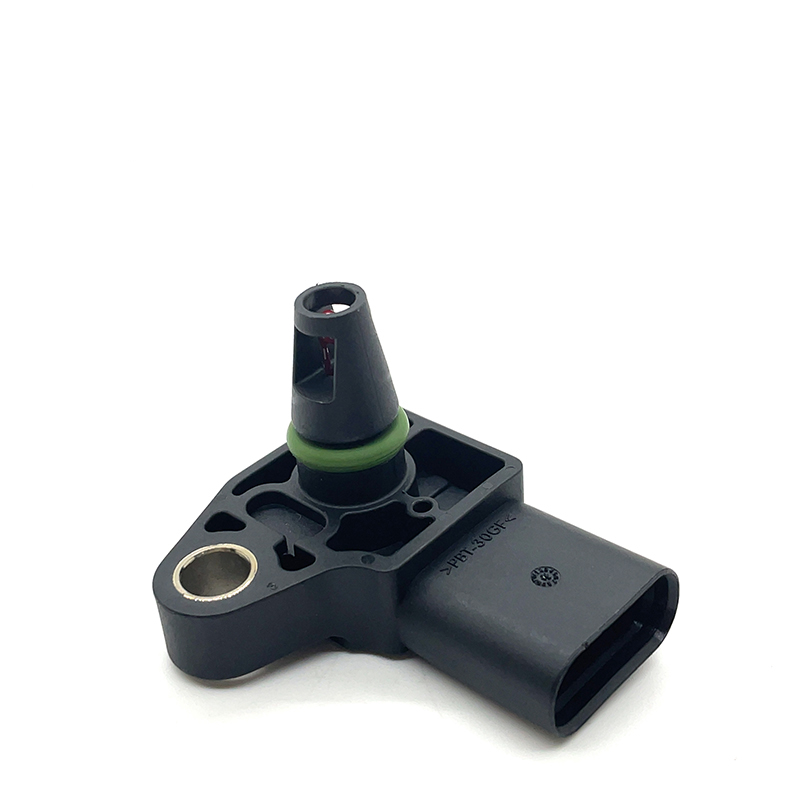
What is a Air Inlet Pressure Sensor?

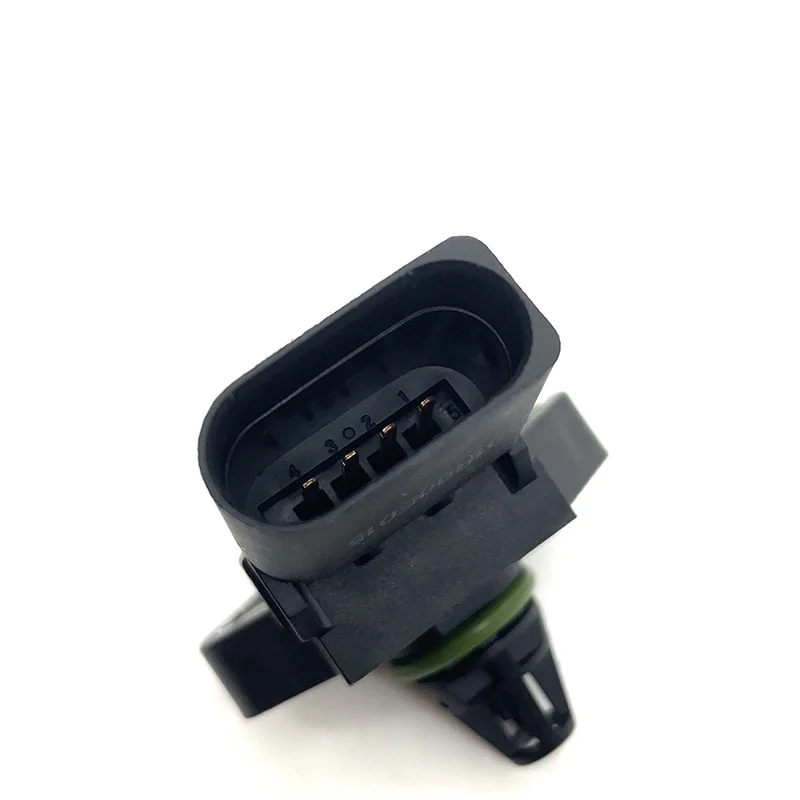
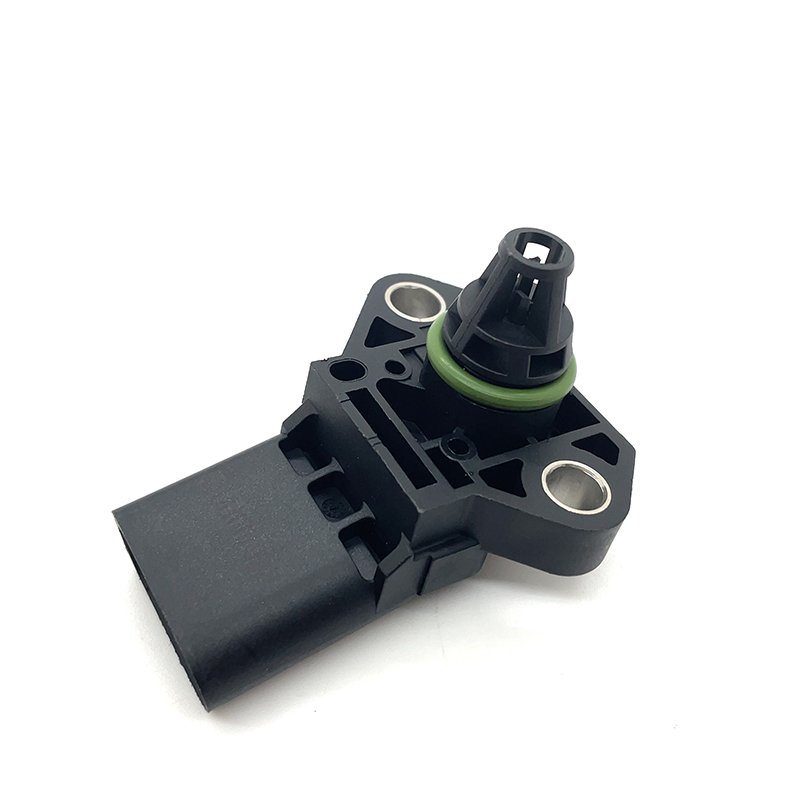
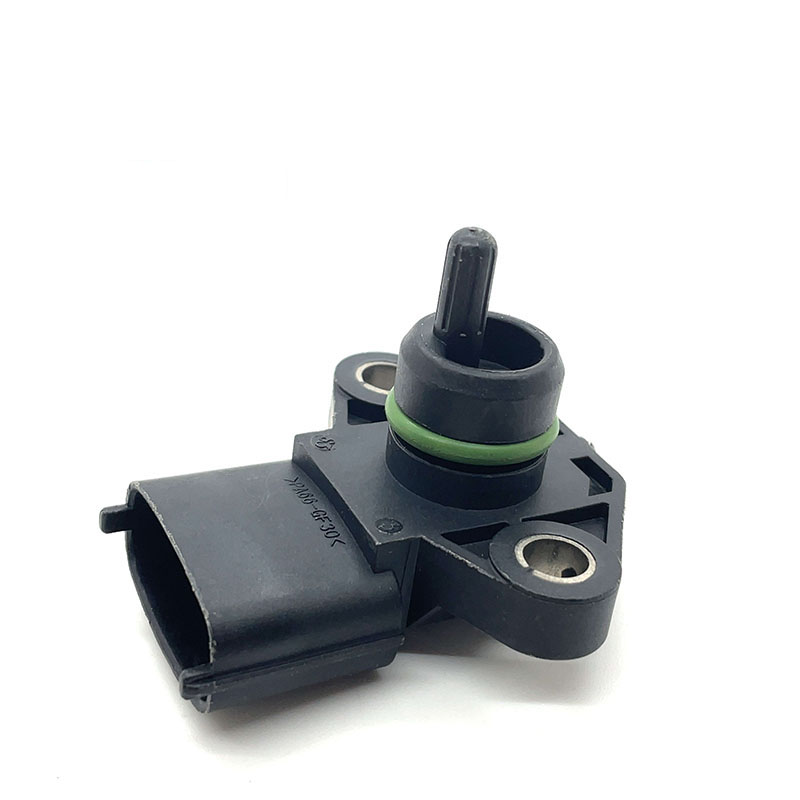
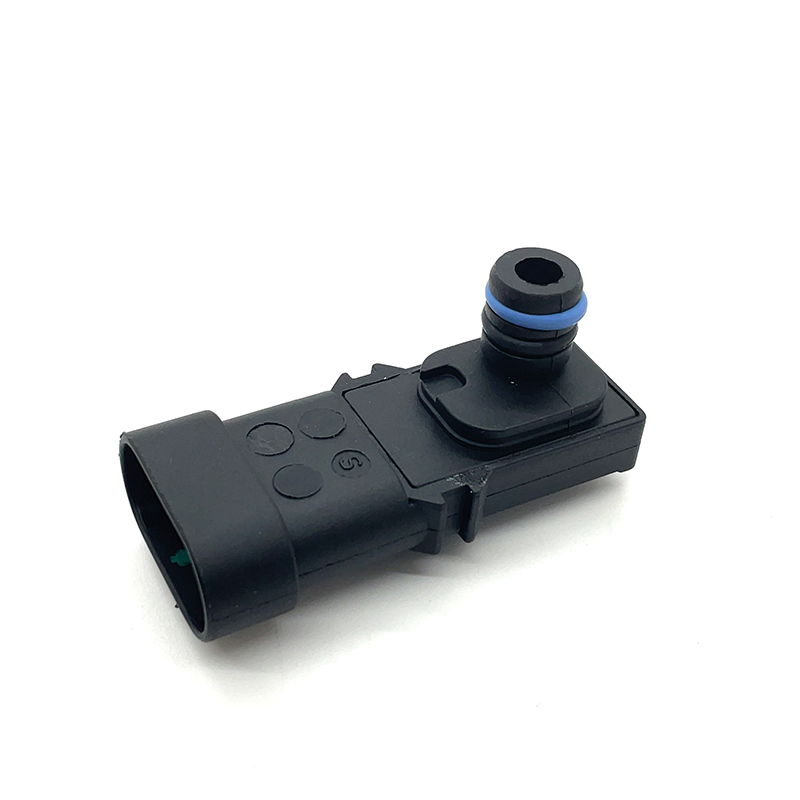
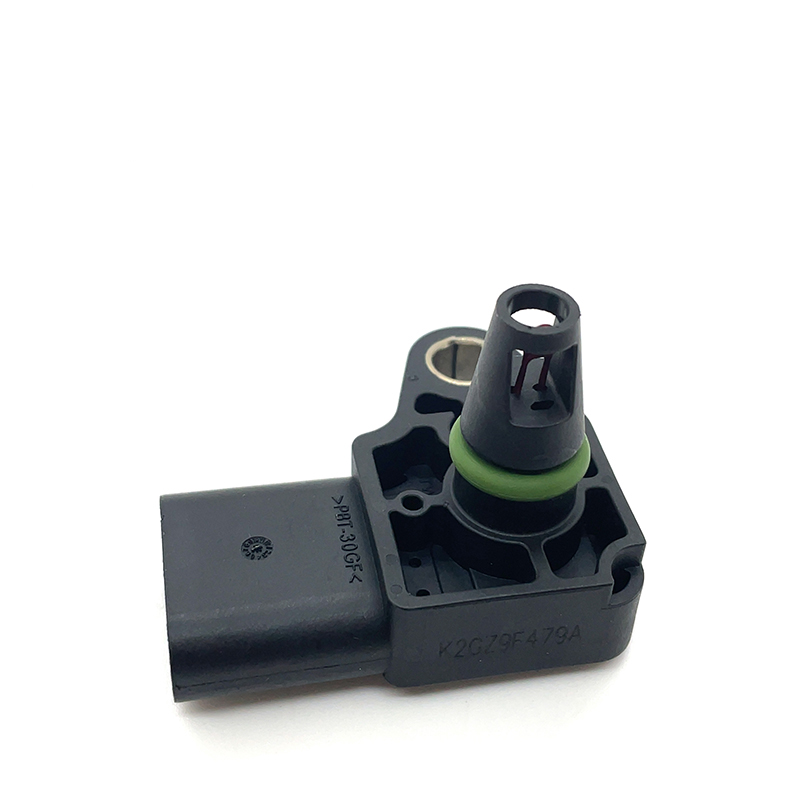
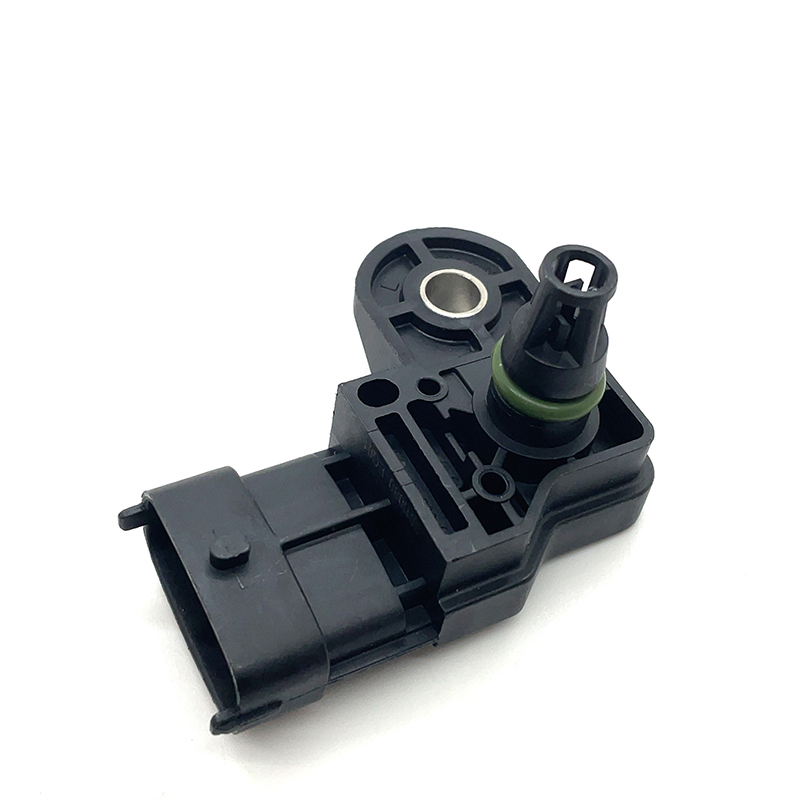
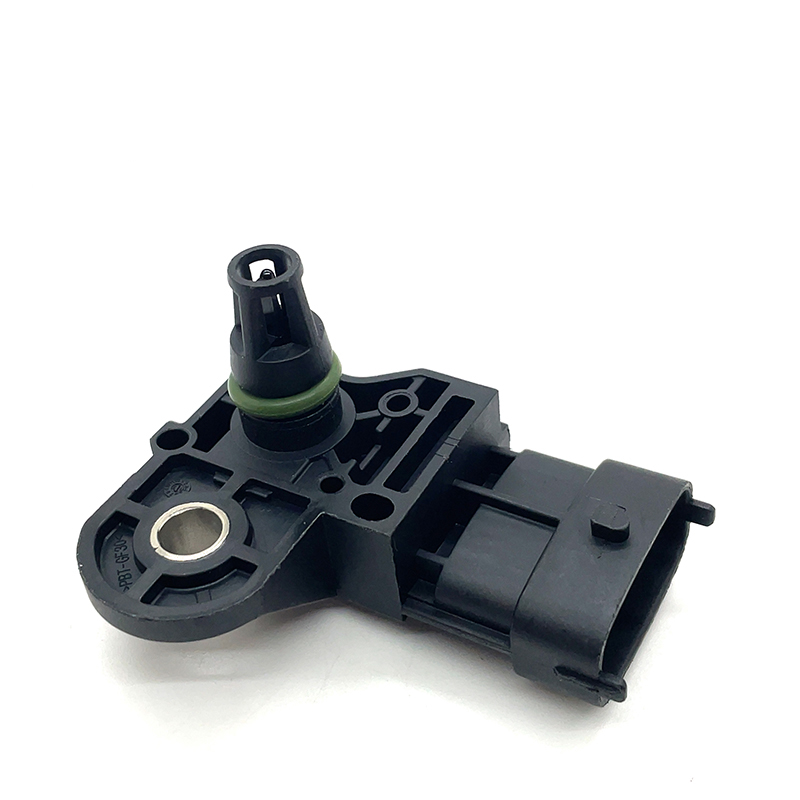
An air inlet pressure sensor (also known as a manifold absolute pressure sensor or MAP sensor) is your engine’s essential air metering system, monitoring the pressure inside the intake manifold to determine engine load and air density. Mounted directly on the intake manifold or throttle body, it sends real-time voltage signals to the engine control unit (ECU), which then calculates fuel delivery and ignition timing — directly impacting engine performance, fuel efficiency, and emissions control. Modern turbocharged and naturally aspirated engines make reliable air inlet pressure measurement more important than ever.
As a professional air inlet pressure sensor manufacturer and supplier since 2007, YZHIDIANF combines 19 years of expertise with our own 3,000+ m² manufacturing facility to deliver precision-engineered sensing solutions. We serve global clients requiring OEM air inlet pressure sensor replacements, custom sensor development, and competitive wholesale or bulk orders — all backed by integrated production, strict quality control, and responsive support for B2B partners worldwide.

 
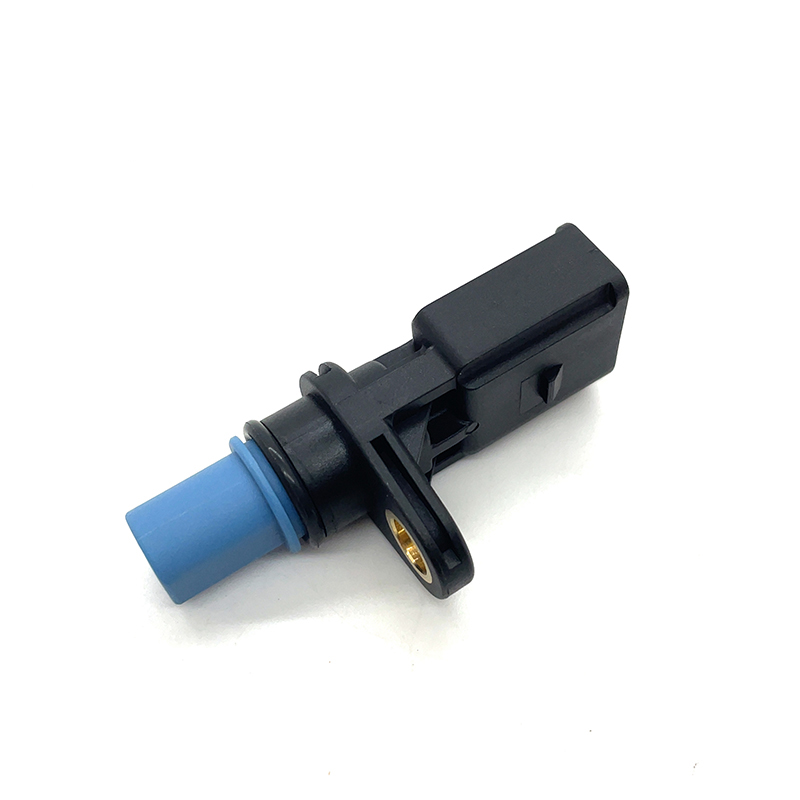
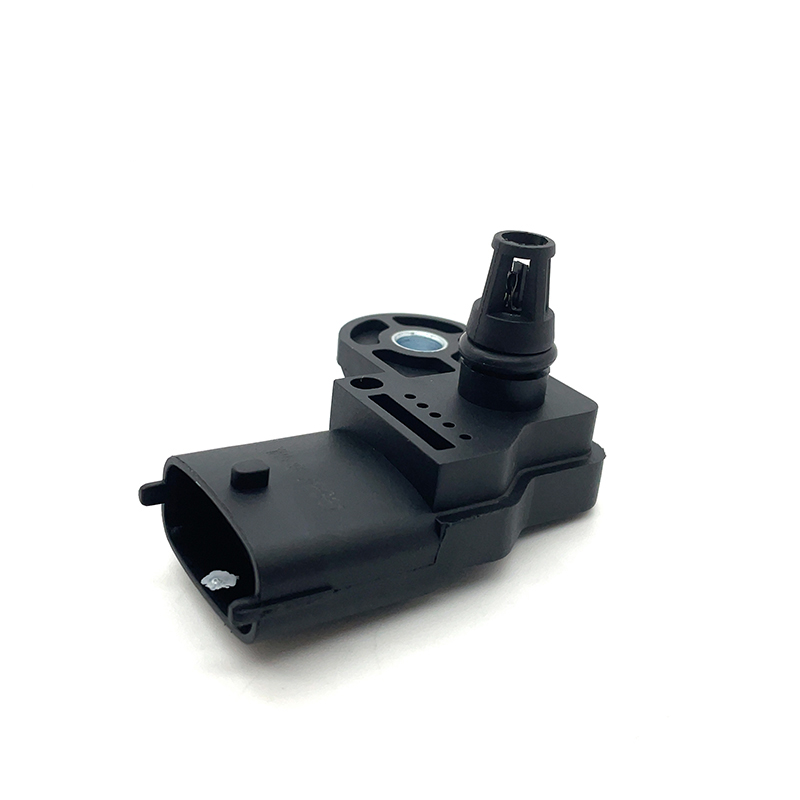
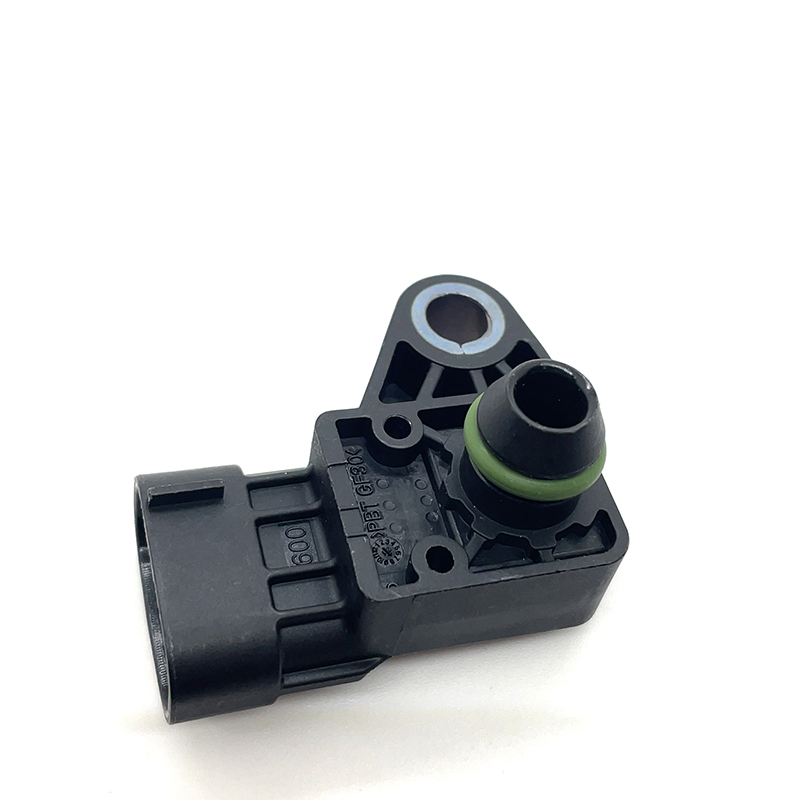
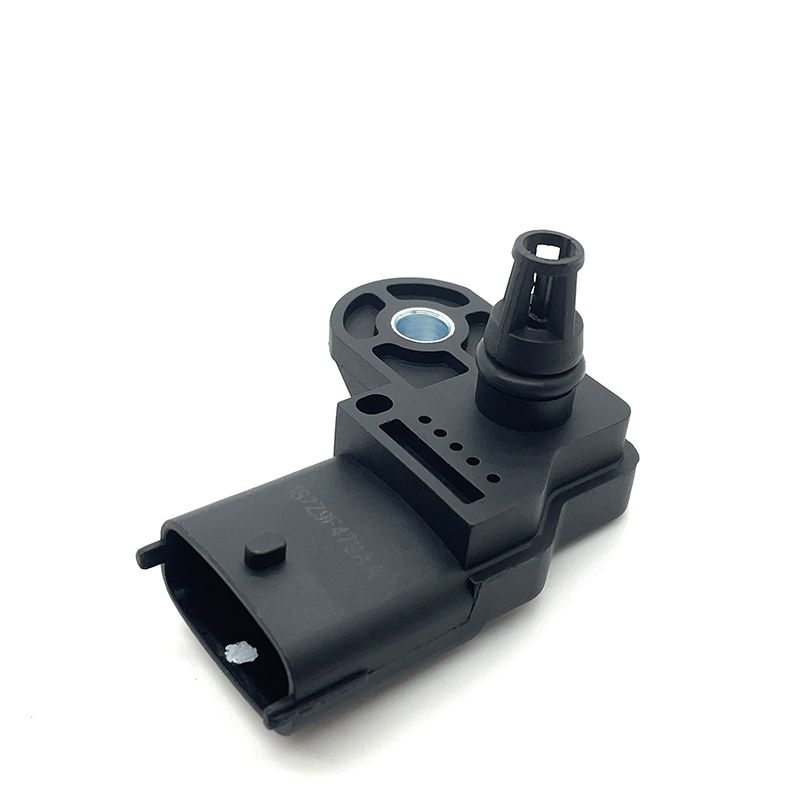
Air Inlet Pressure Sensor

Why Choose YZHIDIANF as Your Fuel Filter Manufacturer

Precision That Matches Every Engine Load

Air density changes constantly — from sea level to mountain passes, from idle to wide-open throttle. YZHIDIANF manufactures air inlet pressure sensors using advanced piezoresistive technology that delivers linear output across the entire pressure range. Each air inlet pressure sensor is individually calibrated to ensure the ECU receives accurate load data for proper fuel calculation, whether the engine is idling, cruising, or under full load.

Built for Harsh Engine Environments

The intake manifold vibrates, heats up, and is exposed to oil vapor and fuel residue. YZHIDIANF builds air inlet pressure sensors with high-temperature resistant housings and chemically sealed connectors that withstand exposure to oil, fuel vapor, and heat soak. Every air inlet pressure sensor is tested for thermal cycling, vibration fatigue, and chemical exposure — so it delivers accurate pressure readings long after lesser sensors have drifted out of specification.

OE-Matching Form, Fit, and Function

A replacement air inlet pressure sensor must match the original exactly — wrong output curves cause drivability issues. YZHIDIANF reverse-engineers OEM samples to manufacture air inlet pressure sensors that bolt into factory locations, use identical connector pinouts, and deliver the exact voltage-to-pressure curves required by the ECU. No modifications, no calibration issues, no check engine lights caused by sensor mismatch.

Reliable Supply for Global Customers

Whether you need air inlet pressure sensors for a single repair or bulk orders for export, YZHIDIANF delivers consistent quality and volume. Our air inlet pressure sensor production line runs ISO-certified processes, with each unit tested for pressure linearity, response time, and electrical stability before shipping. Wholesale an air inlet pressure sensor from YZHIDIANF — and get the same reliability order after order.

Custom Air Inlet Pressure Sensor Services

Tailored Sensing Solutions for Your Brand and Technical Requirements

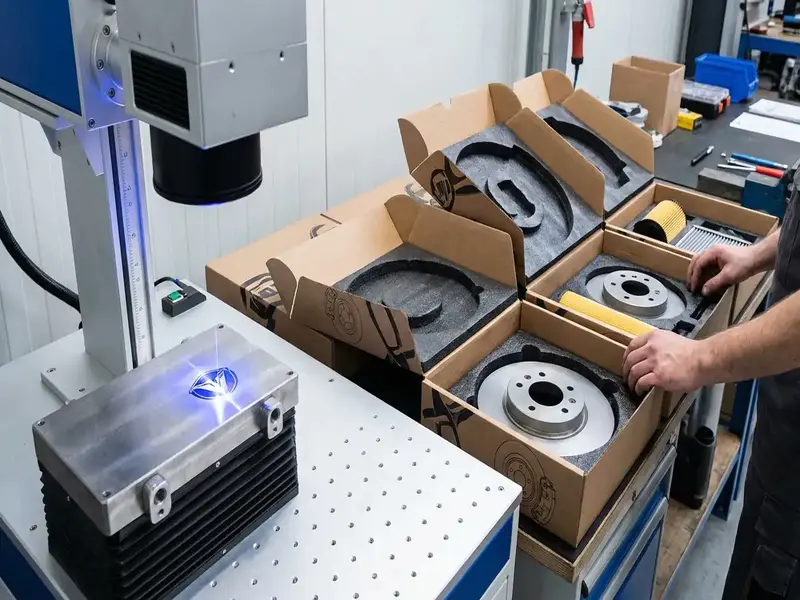
As a leading custom air inlet pressure sensor manufacturer, YZHIDIANF offers comprehensive personalization options that enable you to differentiate your brand in the marketplace while meeting specific technical specifications.

brand customization

Brand Customization Services

Technical Customization Capabilities

Custom specification
Auto Parts collection

Minimum Order Quantity Flexibility

Collaboration Process

Streamlined Partnership from Inquiry to Ongoing Support

Working with YZHIDIANF as your air inlet pressure sensor manufacturer follows a transparent, efficient process designed to make international collaboration straightforward and successful.

Step 1: Inquiry and Quotation

Contact us with your requirements, including vehicle applications, estimated annual volumes, and any special requests for custom air inlet pressure sensor or OEM air inlet pressure sensorspecifications. We respond within 24 hours with competitive pricing, product recommendations, and samples availability information.

Step 2: Product and Branding Confirmation

Our technical team collaborates with you to finalize product specifications, ensuring proper fitment and performance. For clients requiring wholesale air inlet pressure sensor branding, we develop logo artwork, packaging designs, and approve samples before mass production begins.

Step 3: Order Processing and Production

Upon order confirmation, our production team schedules manufacturing according to your timeline. Throughout production, we maintain quality control checkpoints and can provide progress updates and pre-shipment inspection reports upon request.

Step 4: Secure Packaging and Shipping

Finished products receive careful packaging suitable for international transport, with options for neutral, branded, or retail-ready presentation. We coordinate shipping via air freight (UPS, DHL, FedEx) or sea freight according to your bulk air inlet pressure sensor order requirements, and can work with your preferred freight forwarder.

Step 5: Delivery and After-Sales Support

After shipment, we provide tracking information and remain available for any questions during transit. Our one-year warranty and responsive customer service ensure that any issues receive prompt attention, maintaining your confidence in our partnership.

Air Inlet Pressure Sensor Maintenance Guide

Essential Knowledge for Your Customers and Technical Support Team

Auto Parts maintenance

Recommended Replacement Intervals

Gasoline Engines: Typically every 80,000 to 120,000 kilometers (50,000 to 75,000 miles), though severe operating conditions may require earlier replacement of the air inlet pressure sensor.
Turbocharged Engines: Generally every 60,000 to 100,000 kilometers (40,000 to 60,000 miles), as boost pressure puts additional stress on the air inlet pressure sensor over time.
High-Performance Applications: More frequent replacement recommended due to higher boost pressures and increased sensitivity requirements in modified engines.

Auto Parts maintenance

Signs of Fuel Filter Restriction

Check engine light illumination with MAP sensor-related diagnostic codes (P0105, P0106, P0107, P0108);

Poor acceleration or hesitation when throttle is applied;

Black smoke from exhaust (rich mixture) or rough idle;
Poor fuel economy due to incorrect air-fuel ratio calculations;
Failed emissions test due to inaccurate load readings;

Auto Parts maintenance

Professional Installation Tips

While offering OEM air inlet pressure sensor replacements, emphasize proper installation practices:

Ensure the intake manifold port is clean and free of carbon deposits before air inlet pressure sensor installation
Apply proper torque (typically 8–12 Nm) to avoid cracking the sensor housing or damaging the sealing ring
Never use sealant on air inlet pressure sensor threads — the sensor uses an O-ring or integrated gasket for sealing
Check the electrical connector for damaged pins, corrosion, or broken locking tabs before plugging in the new air inlet pressure sensor
Clear diagnostic trouble codes after replacement and perform a key-on, engine-off voltage check to verify proper sensor output

Auto Parts maintenance

Seasonal Considerations

For markets with seasonal temperature variations, remind customers that the air inlet pressure sensor can be affected by condensation in the intake system during cold weather. Moisture near the air inlet pressure sensor can cause erratic readings or freezing damage to the sensing element. Inspecting the air inlet pressure sensor and intake plumbing before winter can prevent cold-start drivability issues and false check engine lights.

Help Center

FAQ

Q: What is the difference between an air inlet pressure sensor and a MAF sensor?
A: An air inlet pressure sensor (MAP sensor) measures intake manifold pressure to calculate engine load, while a MAF sensor measures the actual mass of air entering the engine. Many modern engines use both: the air inlet pressure sensor provides load data and serves as a backup for the MAF sensor. A failing air inlet pressure sensor can cause drivability issues even if the MAF sensor is functioning correctly.
A: An air inlet pressure sensor can sometimes be cleaned if contamination is minor. Remove the air inlet pressure sensor and spray the sensing port with electrical contact cleaner or MAF sensor cleaner — never insert anything into the port. However, if the air inlet pressure sensor has failed electrically or the internal diaphragm is damaged, cleaning will not help. Replacement is the only reliable solution for a failed air inlet pressure sensor.
A: If you disconnect the air inlet pressure sensor, the ECU will detect an open circuit and set a diagnostic trouble code (typically P0107 or P0108). The ECU will then use default air density values, which can cause poor fuel economy, reduced power, and in some cases, engine stalling. The vehicle may be drivable, but a disconnected air inlet pressure sensor will trigger the check engine light and should be reconnected or replaced promptly.
A: Yes, a faulty air inlet pressure sensor can indirectly cause transmission shifting problems. The ECU uses air inlet pressure sensor data to determine engine load, which affects transmission shift points and torque converter lockup. A failing air inlet pressure sensor that reports incorrect load values can cause harsh shifting, delayed upshifts, or failure to downshift properly under load.
A: To test an air inlet pressure sensor, connect a multimeter to the signal wire and ground. With key on and engine off, the air inlet pressure sensor should read voltage corresponding to barometric pressure (typically 3.5–4.5V at sea level). Start the engine — at idle, the air inlet pressure sensorvoltage should drop to 1.0–2.0V depending on manifold vacuum. If voltage does not change smoothly or is out of range, replace the air inlet pressure sensor.

Contact Us

Please enable JavaScript in your browser to complete this form.

WhatsApp:+86-13450358058

Tel: +86-13450358058

E-mail: jasmine@zhenhuaauto.com

Address: Guangyuan East Road, Tianhe District, Guangzhou City, Guangdong Province, China

ce icon

在此添加您的标题文本