Contactez-nous gratuitement :
Parlez à nos experts en 1 minute
Fournir un devis en 1 heure
Demande de renseignements

Professional Air Flow Sensor Manufacturer & Supplier

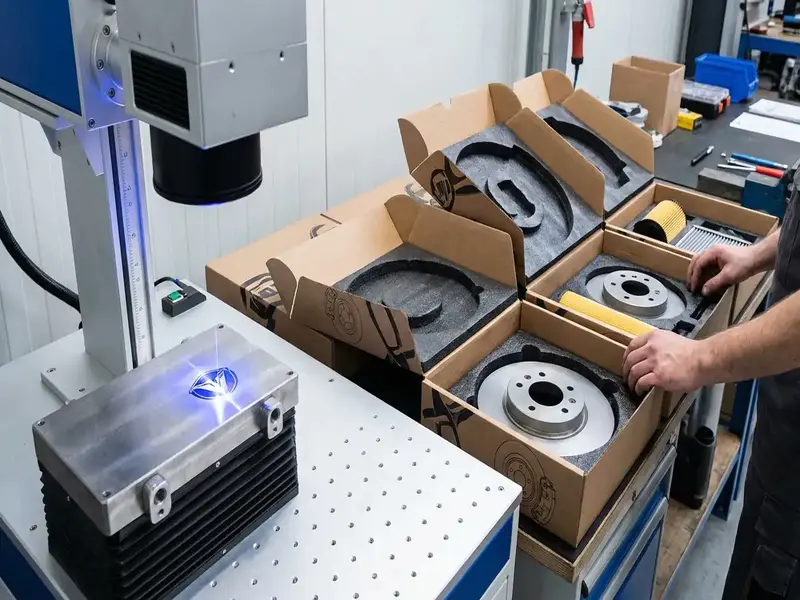
19 ans d'expérience | Propre usine | OEM/ODM/Marquage laser gratuit pris en charge

Catégorie de produits

Nous contacter

Veuillez activer JavaScript dans votre navigateur pour remplir ce formulaire.

What is a Air Flow Sensor?

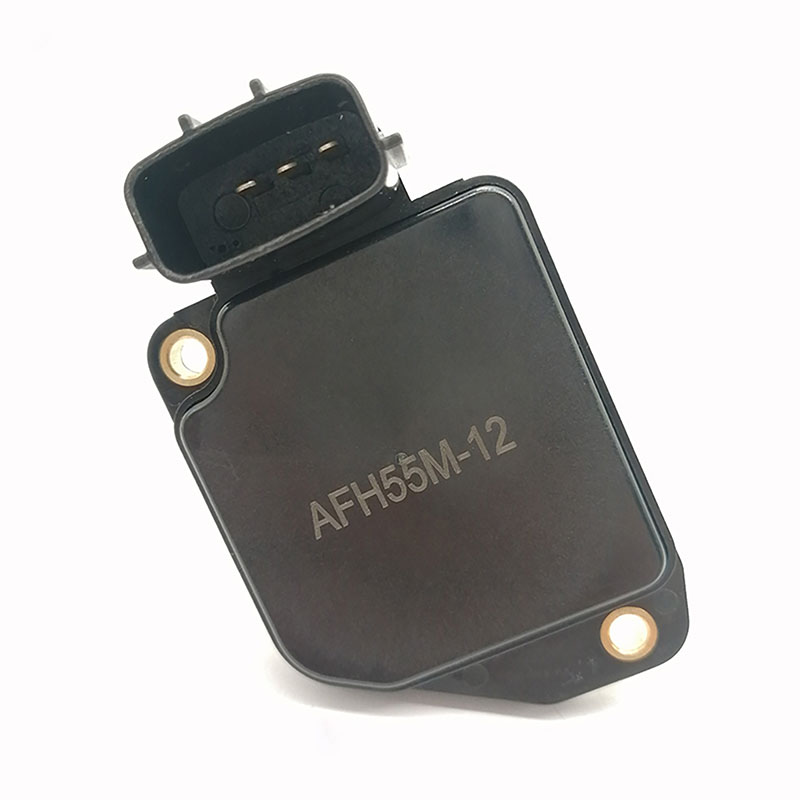
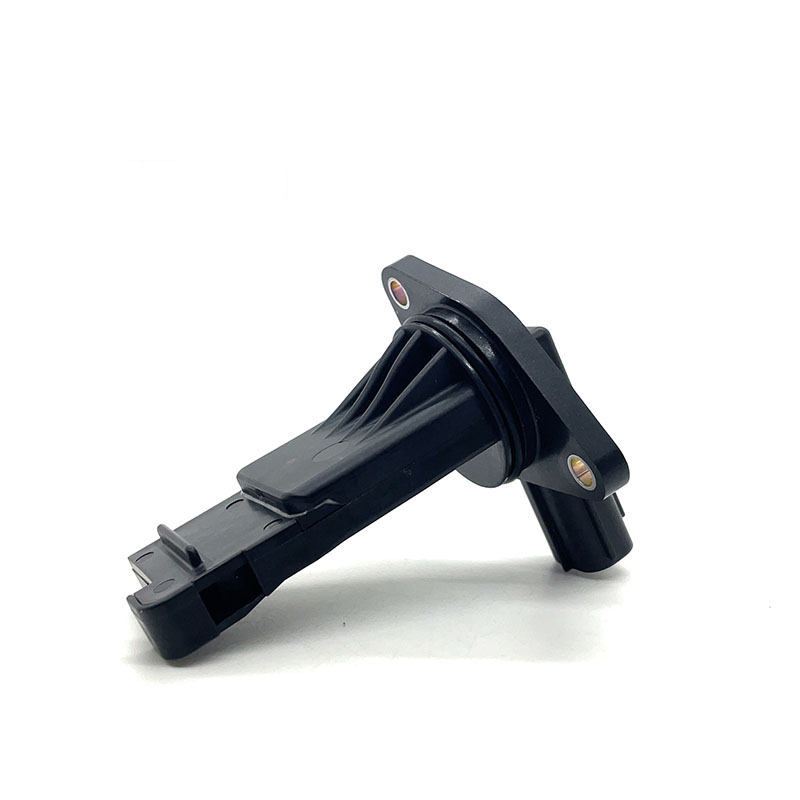
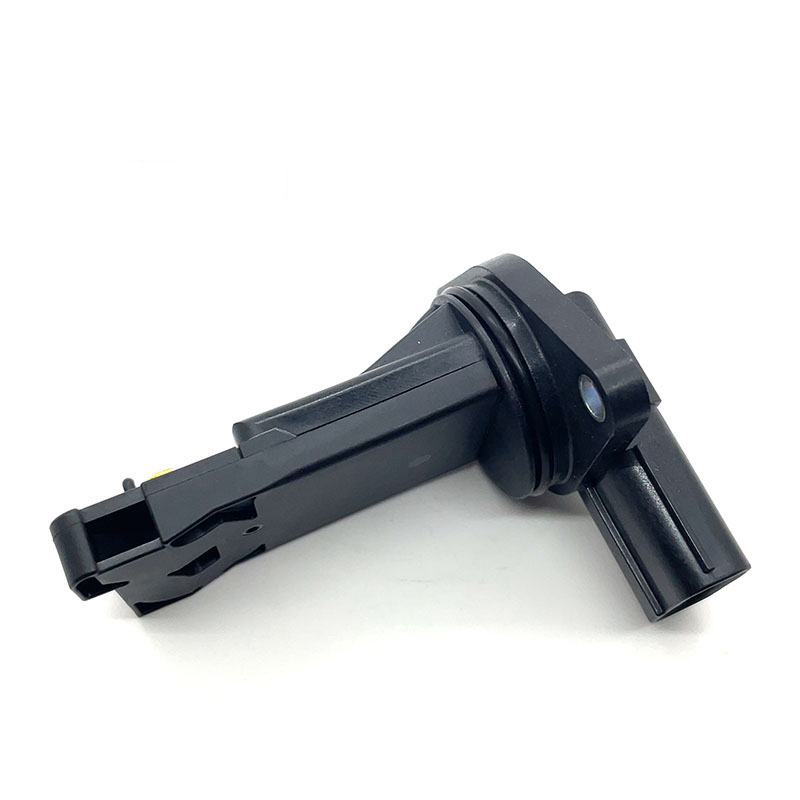
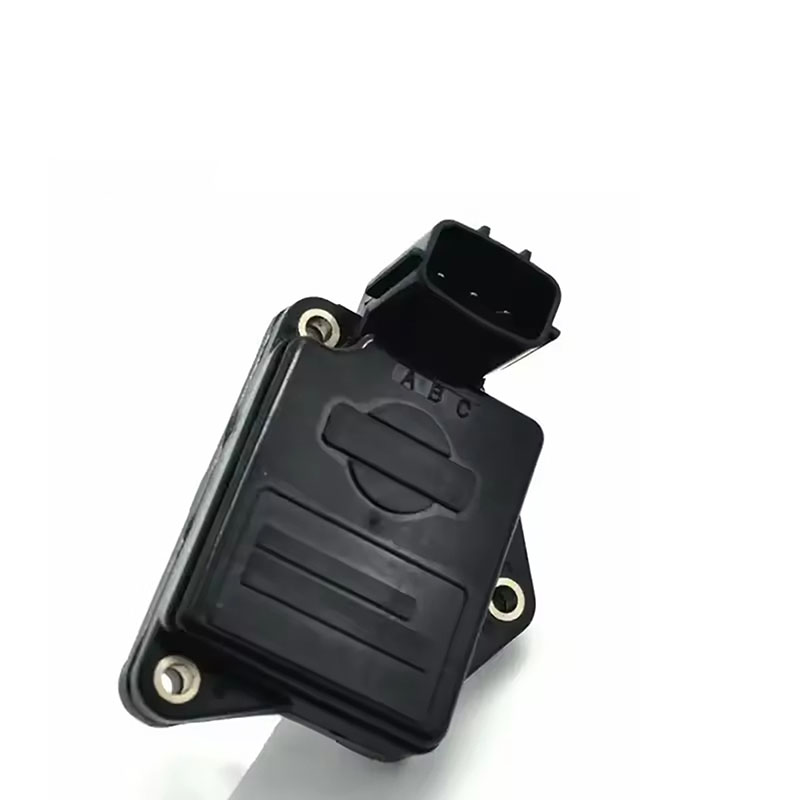
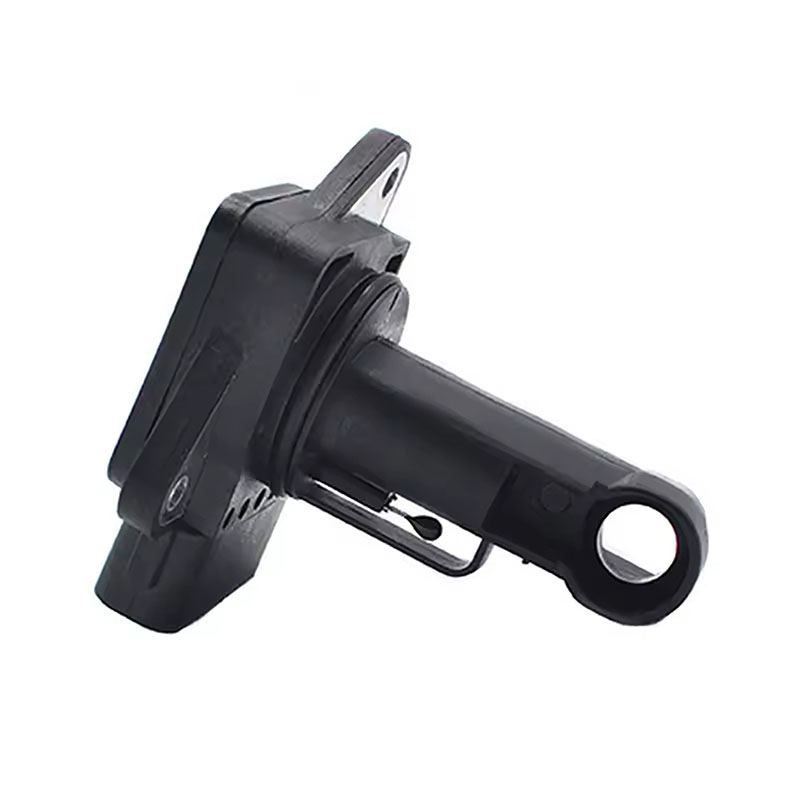
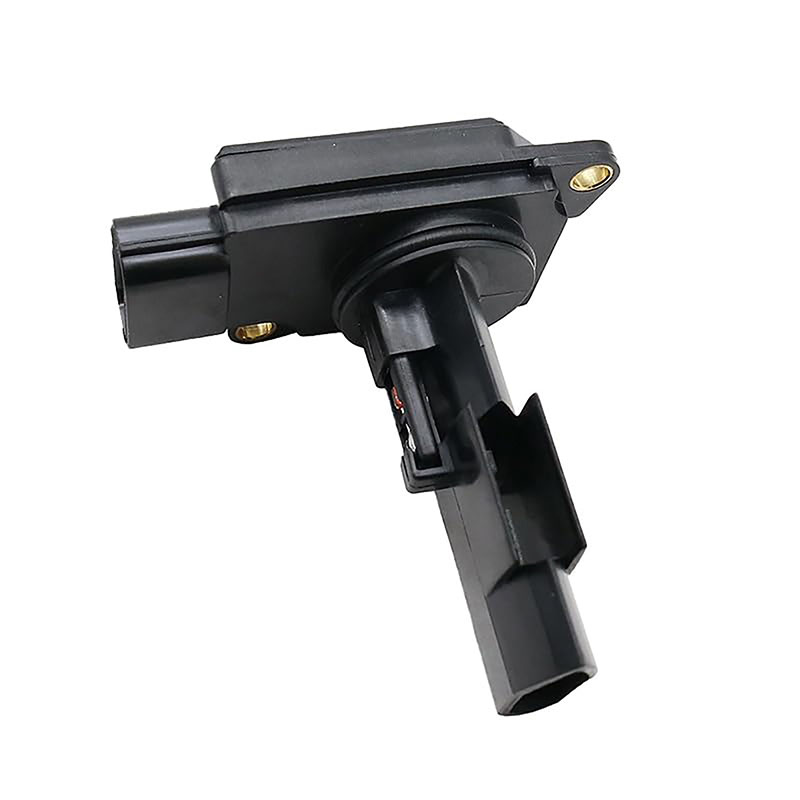
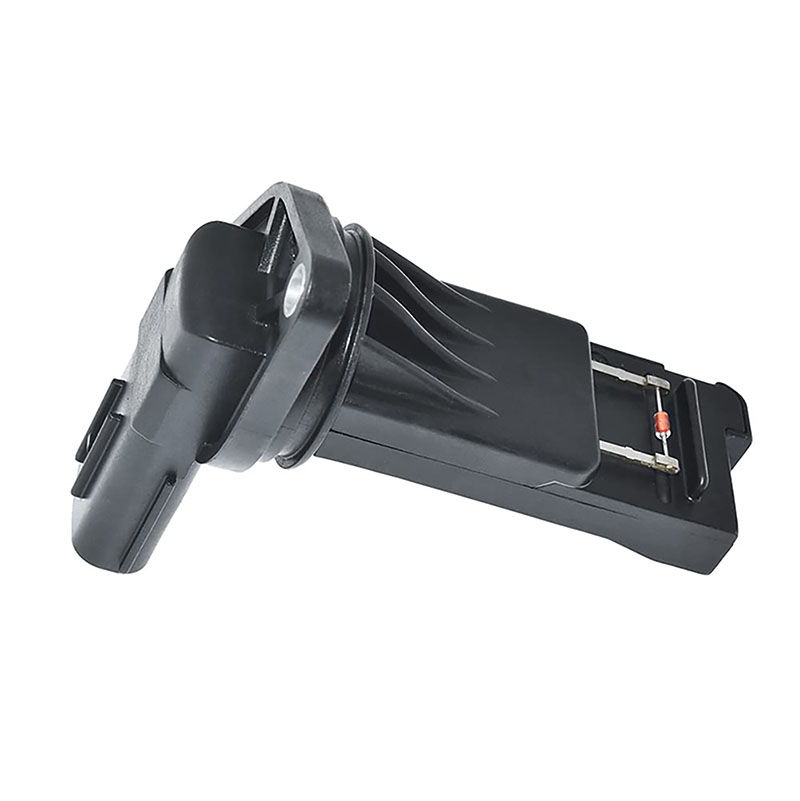
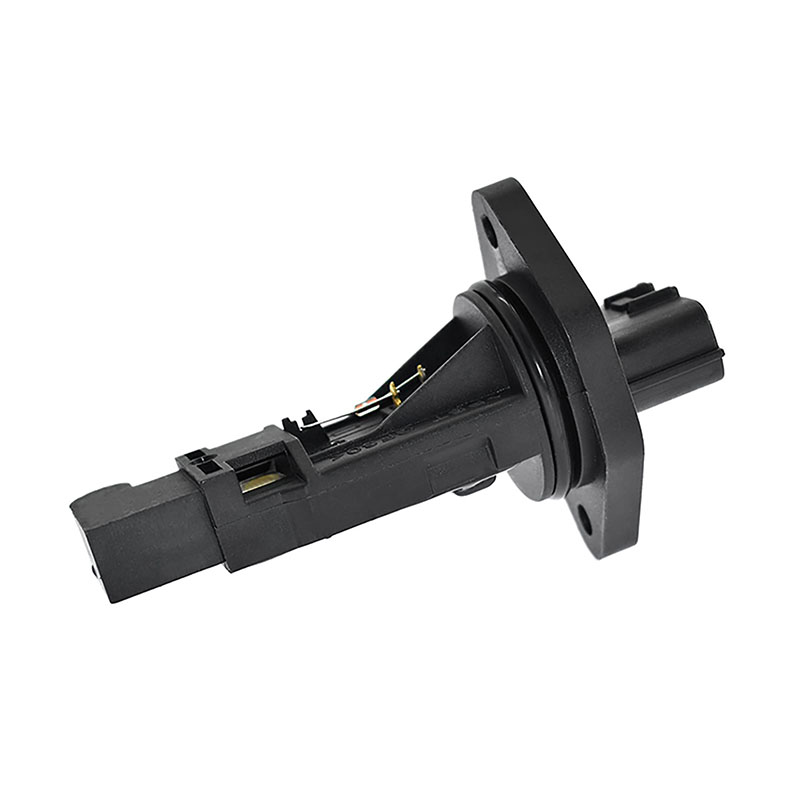
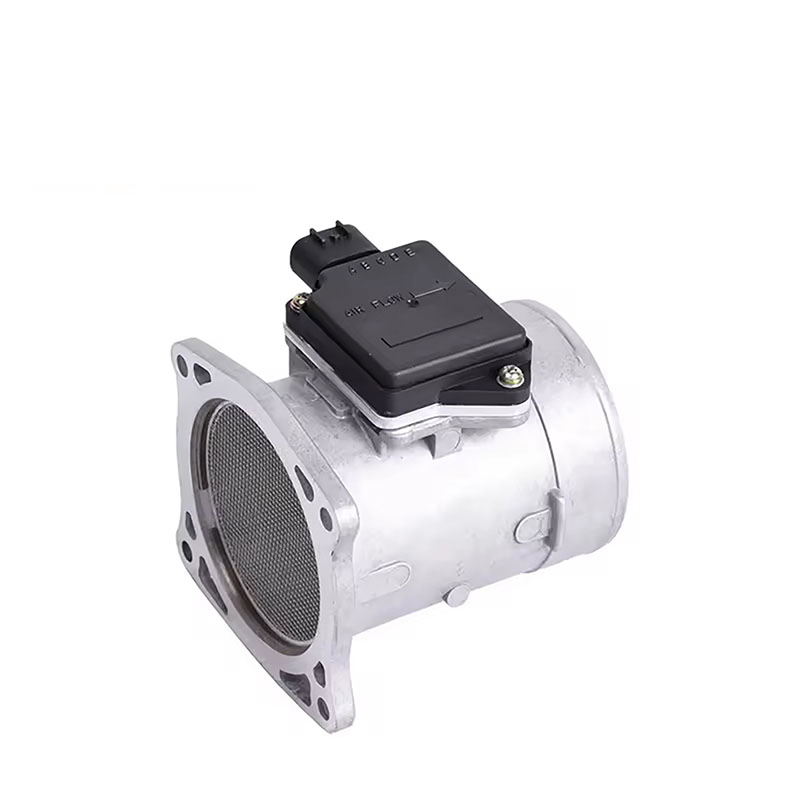
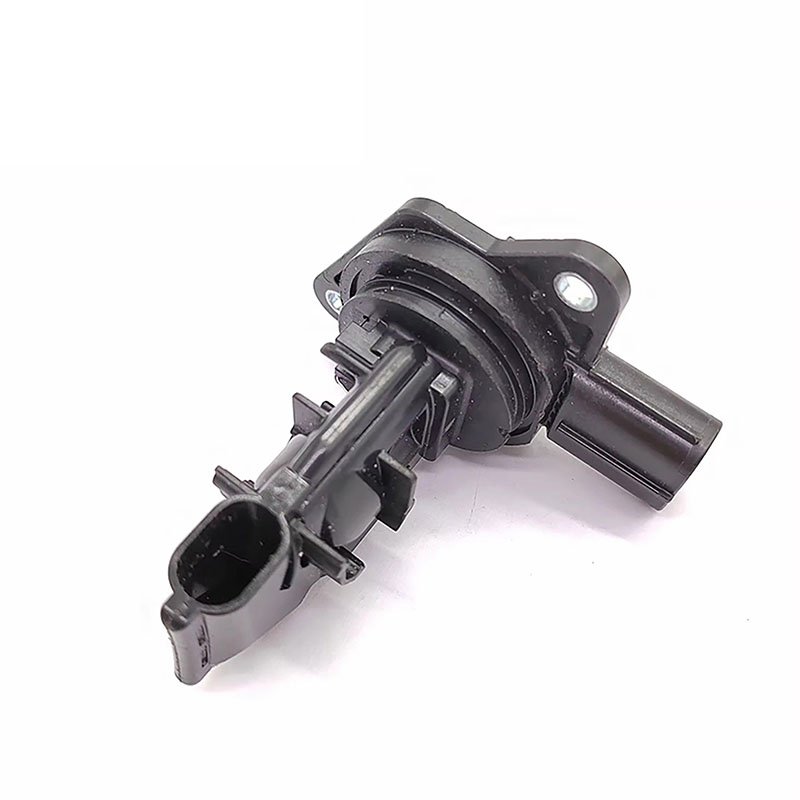
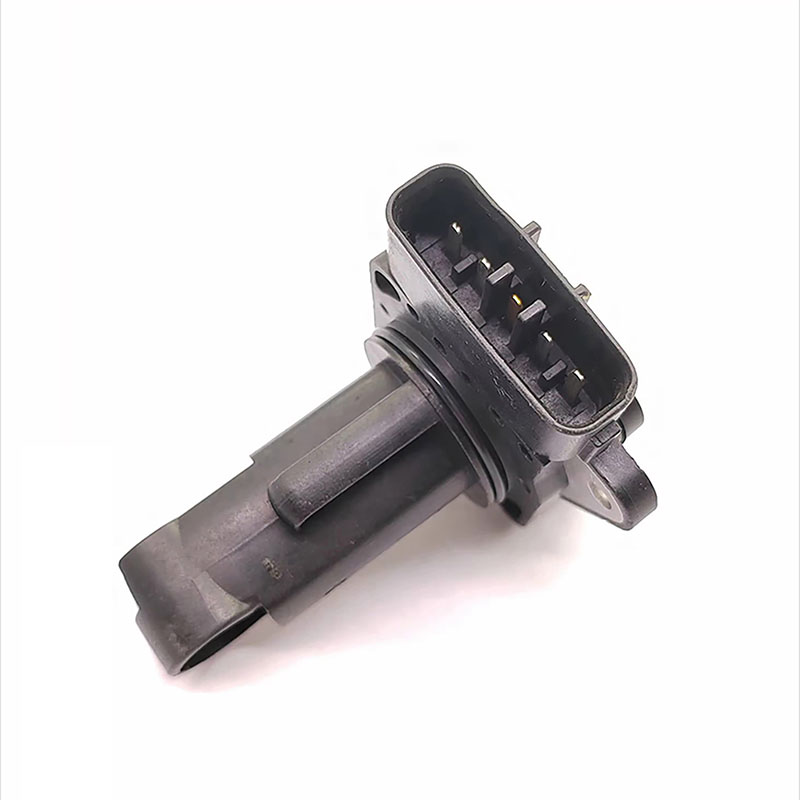
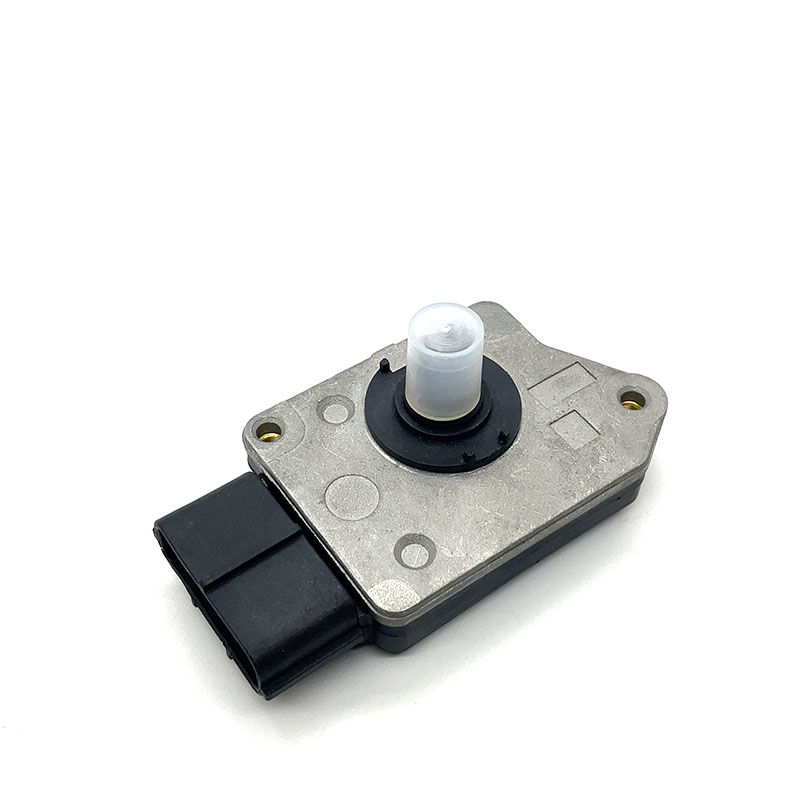
An air flow sensor (also known as a mass airflow sensor or MAF sensor) is your engine’s essential air metering system, measuring the volume and density of air entering the engine to help the engine control unit (ECU) calculate the correct fuel delivery. Positioned between the air filter and the throttle body, it ensures the optimal air-fuel mixture reaches the combustion chamber, directly impacting engine performance, fuel efficiency, and emissions control. Modern turbocharged and naturally aspirated engines make accurate air flow measurement more important than ever.


As a professional air flow sensor manufacturer and supplier since 2007, YZHIDIANF combines 19 years of expertise with our own 3,000+ m² manufacturing facility to deliver precision-engineered sensing solutions. We serve global clients requiring OEM air flow sensor replacements, custom air flow sensor development, and competitive wholesale or bulk air flow sensor orders — all backed by integrated production, strict quality control, and responsive support for partners worldwide.

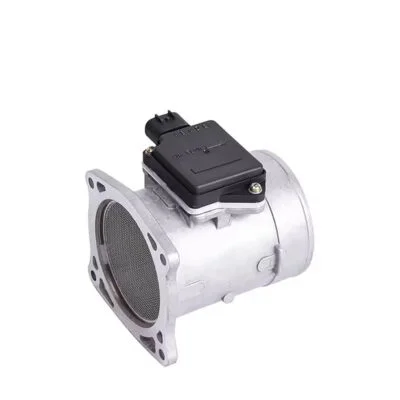
Air Flow Sensor

Why Choose YZHIDIANF as Your Air Flow Sensor Manufacturer

Precision That Starts with the Intake

A vehicle's performance begins with accurate air measurement. YZHIDIANF manufactures air flow sensors using advanced hot-wire and hot-film principles, capturing even the smallest changes in intake volume. Whether the engine is idling, coasting, or under full load, our air flow sensordelivers precise data to the ECU — ensuring optimal fuel delivery and combustion from the very first millisecond.

Instant Response to Driver Demand

When the driver presses the accelerator, the engine needs fuel — fast. YZHIDIANF's air flow sensor is engineered for rapid response, with optimized heating elements and sensing components that react in milliseconds. This means the air flow sensor detects increased airflow immediately, signals the ECU without delay, and helps eliminate hesitation or lag during acceleration. No lag, no flat spots — just smooth, immediate power.

Built for the Engine's Harshest Conditions

The engine bay is hot, vibrating, and full of electrical noise. YZHIDIANF builds air flow sensors with high-temperature resistant housings — engineering plastic or stainless steel depending on the application — that protect internal components from heat, corrosion, and physical stress. Each air flow sensor also features carefully shielded circuitry to resist electromagnetic interference, ensuring stable, accurate readings for years of reliable service.

Engineered to Last, Designed to Perform

A failing air flow sensor leads to poor fuel economy, rough idle, and check engine lights. YZHIDIANF designs every air flow sensor for long-term stability under real driving conditions. From low-speed city traffic to high-speed highway cruising, our air flow sensors maintain consistent output, reduce failure rates, and help vehicle owners avoid unnecessary repairs. Choose YZHIDIANF — and choose an air flow sensor you can trust mile after mile.

Custom Air Flow Sensor Services

Tailored Sensing Solutions for Your Brand and Technical Requirements

As a leading custom air flow sensor manufacturer, YZHIDIANF offers comprehensive personalization options that enable you to differentiate your brand in the marketplace while meeting specific technical specifications.

personnalisation de la marque

Services de personnalisation de la marque

Capacités de personnalisation technique

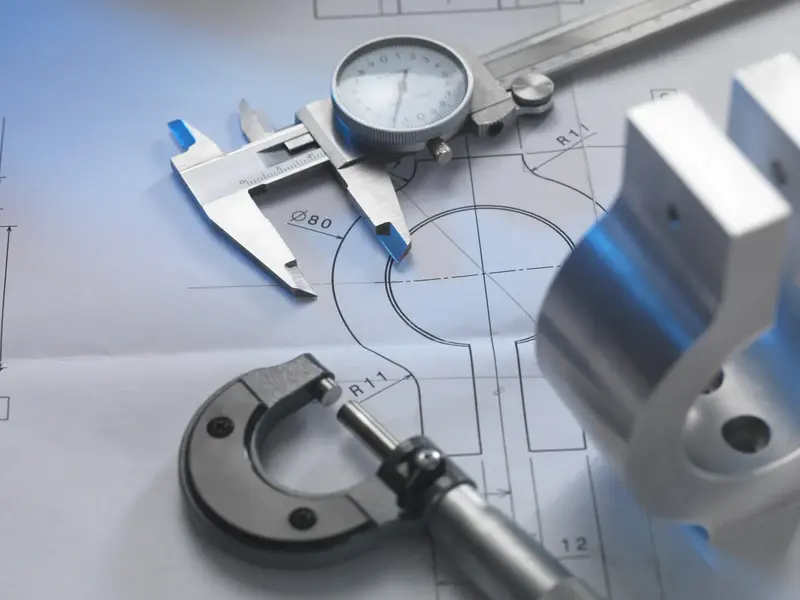
Spécification personnalisée
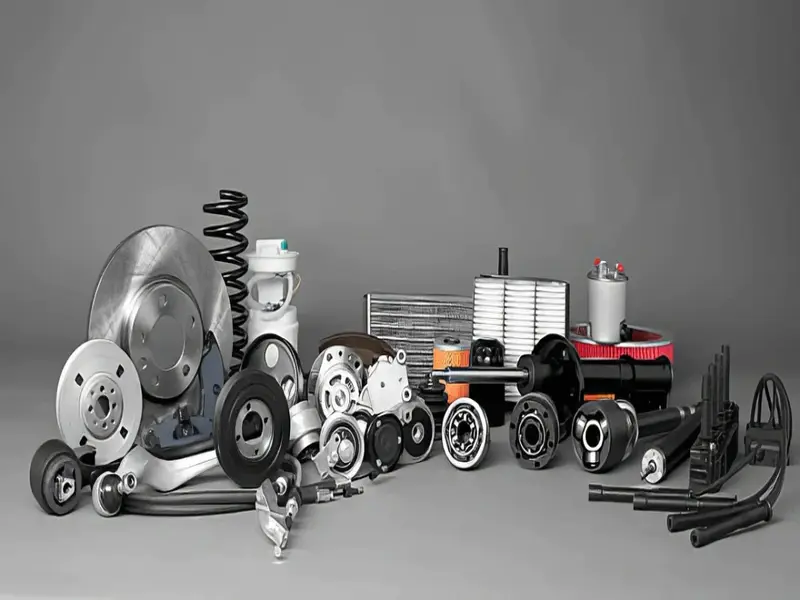
Collection de pièces détachées automobiles

Flexibilité de la quantité minimale de commande

Processus de collaboration

Un partenariat simplifié, de l'enquête au soutien continu

Working with YZHIDIANF as your air flow sensor manufacturer follows a transparent, efficient process designed to make international collaboration straightforward and successful.

Étape 1 : Demande de renseignements et de devis

Contact us with your requirements, including vehicle applications, estimated annual volumes, and any special requests for custom air flow sensor or OEM air flow sensor specifications. We respond within 24 hours with competitive pricing, product recommendations, and samples availability information.

Étape 2 : Confirmation du produit et de la marque

Our technical team collaborates with you to finalize product specifications, ensuring proper fitment and performance. For clients requiring wholesale air flow sensor branding, we develop logo artwork, packaging designs, and approve samples before mass production begins.

Étape 3 : Traitement des commandes et production

Dès la confirmation de la commande, notre équipe de production planifie la fabrication en fonction de votre calendrier. Tout au long de la production, nous maintenons des points de contrôle de la qualité et pouvons fournir sur demande des mises à jour sur l'état d'avancement et des rapports d'inspection avant expédition.

Étape 4 : Emballage et expédition sécurisés

Finished products receive careful packaging suitable for international transport, with options for neutral, branded, or retail-ready presentation. We coordinate shipping via air freight (UPS, DHL, FedEx) or sea freight according to your bulk air flow sensor order requirements, and can work with your preferred freight forwarder.

Étape 5 : Livraison et service après-vente

Après l'expédition, nous fournissons des informations de suivi et restons à votre disposition pour toute question pendant le transport. Notre garantie d'un an et notre service clientèle réactif garantissent que tout problème sera traité rapidement, ce qui maintient votre confiance dans notre partenariat.

Air Flow Sensor Maintenance Guide

Des connaissances essentielles pour vos clients et votre équipe d'assistance technique

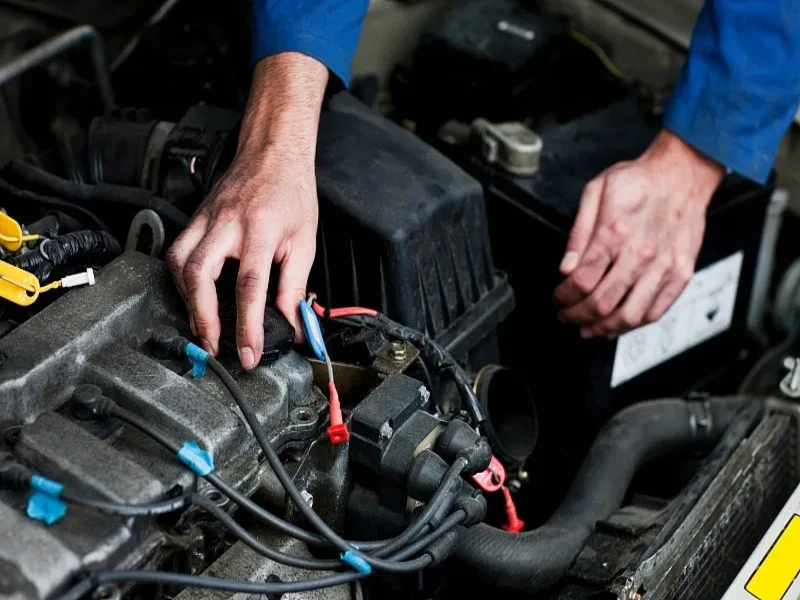
Maintenance des pièces détachées automobiles

Clean the filter screen regularly

Before air enters the air flow sensor, there is usually a filter screen to filter impurities. It is recommended to check and clean the filter screen every 10,000-20,000 km to prevent dust and impurities from accumulating and blocking the filter screen, which will affect air circulation and measurement accuracy of the air flow sensor. When cleaning, you can use compressed air to gently blow off impurities from the back of the filter screen, or use a soft brush to gently brush, but avoid damaging the filter screen.

Maintenance des pièces détachées automobiles

Vérifier la connexion électrique

Every certain mileage (about 5,000-10,000 km), check whether the connecting plug of the air flow sensor is loose, oxidized or corroded. If there is a problem with the plug, it should be cleaned or replaced promptly to ensure that the electrical connection between the air flow sensor and ECU is stable and reliable, and signal transmission remains normal.

Maintenance des pièces détachées automobiles

Performance calibration test

The performance of the air flow sensor should be calibrated and tested using professional automotive diagnostic equipment every six months or according to the mileage specified by the manufacturer. Compare the standard data to see if there is any deviation in the measured value from the air flow sensor. If the measurement error is found to be beyond the allowable range, the air flow sensor should be further inspected for damage, and replaced or repaired if necessary to ensure its measurement accuracy.

Maintenance des pièces détachées automobiles

Seasonal Considerations

For markets with seasonal temperature variations, remind customers that air flow sensors can be affected by condensation and freezing conditions. Moisture accumulation near the air flow sensorcan cause inaccurate readings or damage to the sensing element. More frequent inspection before cold weather can prevent starting problems and engine performance issues related to air flow sensor malfunction.

Centre d'aide

FAQ

Q: How often should the air flow sensor be inspected or cleaned?
A: The air flow sensor should be inspected every 15,000 to 30,000 miles, or earlier if symptoms like rough idle or poor acceleration appear. Cleaning the air flow sensor with a dedicated MAF cleaner can restore performance, but over-cleaning may damage the sensitive element. Always follow the vehicle manufacturer’s recommendation for air flow sensor maintenance intervals.
A: Yes, a contaminated or failing air flow sensor is a common cause of an illuminated check engine light. The ECU detects that the air flow sensor is sending readings outside the expected range and stores trouble codes such as P0100, P0101, or P0102. Diagnosing the air flow sensor should be one of the first steps when these codes appear.
A: The main difference lies in the sensing element design. A hot-wire air flow sensor uses a thin wire that cools as air passes over it, while a hot-film air flow sensor uses a ceramic-coated film that resists contamination more effectively. Both types of air flow sensor measure incoming air mass, but hot-film designs are generally more durable in harsh engine environments.
A: Driving with a faulty air flow sensor is possible but not recommended. A malfunctioning air flow sensor can cause poor fuel economy, hesitation, stalling, and may over time damage the catalytic converter. Replacing a bad air flow sensor promptly restores proper engine performance and prevents more expensive repairs related to incorrect air-fuel mixture.
A: An air flow sensor needs replacement when cleaning does not resolve the symptoms, or when the air flow sensor has an electrical failure such as an open circuit or short circuit. If diagnostic tools show that the air flow sensor output remains out of specification after cleaning, or if physical damage like a cracked housing is visible, replacing the air flow sensor is the only reliable solution.

Nous contacter

Veuillez activer JavaScript dans votre navigateur pour remplir ce formulaire.

WhatsApp :+86-13450358058

Tél : +86-13450358058

E-mail : jasmine@zhenhuaauto.com

Adresse : Guangyuan East Road, Tianhe District, Guangzhou City, Guangdong Province, China

icône CE

在此添加您的标题文本