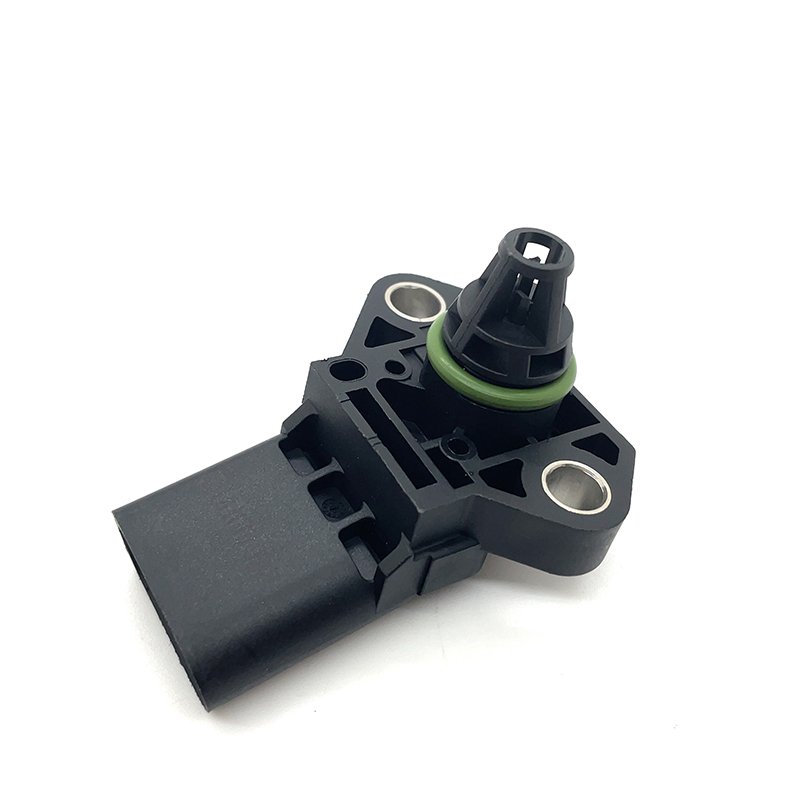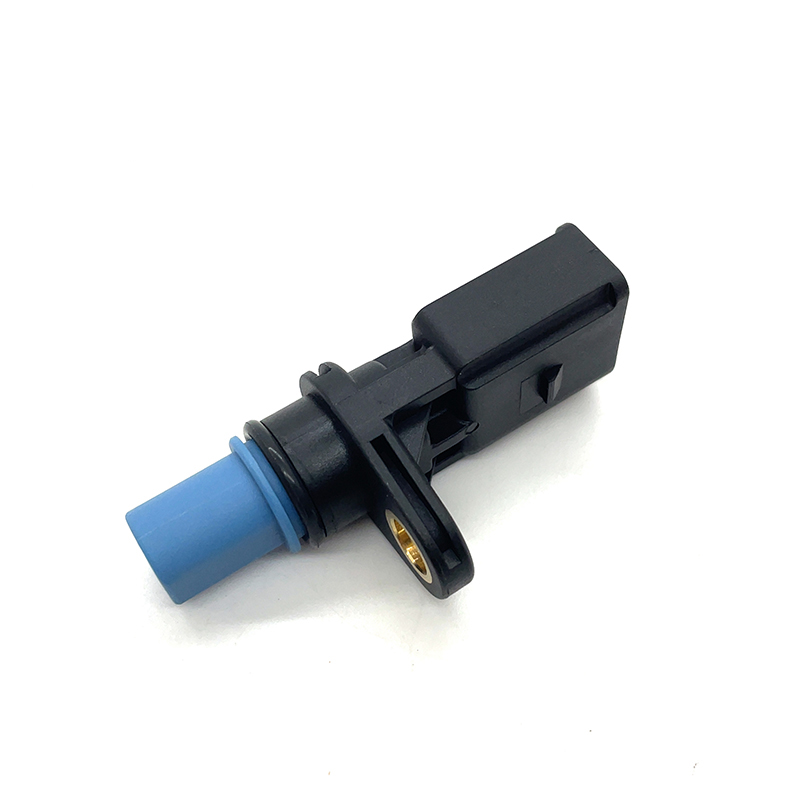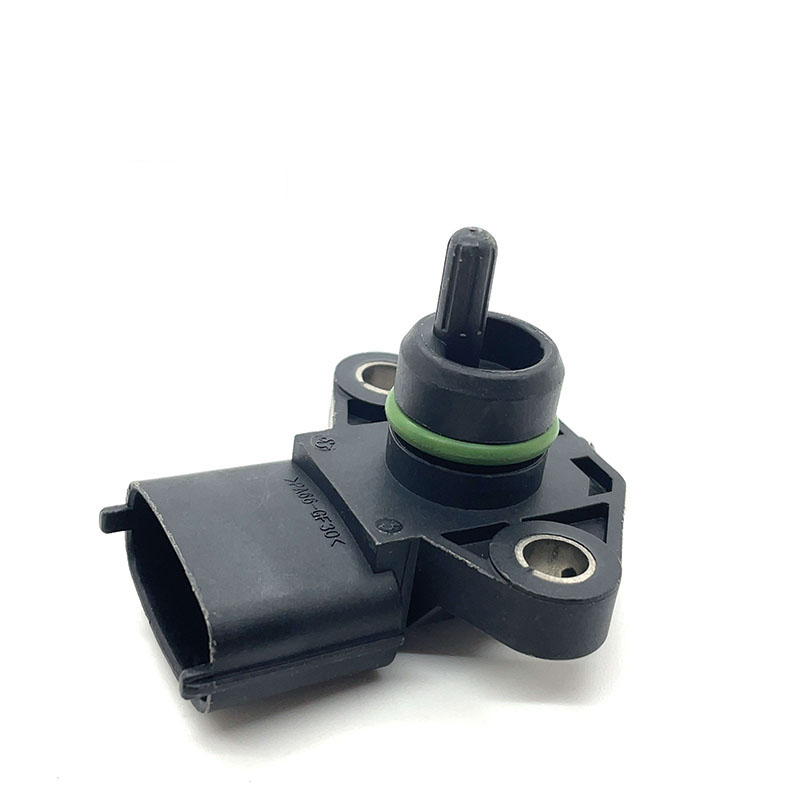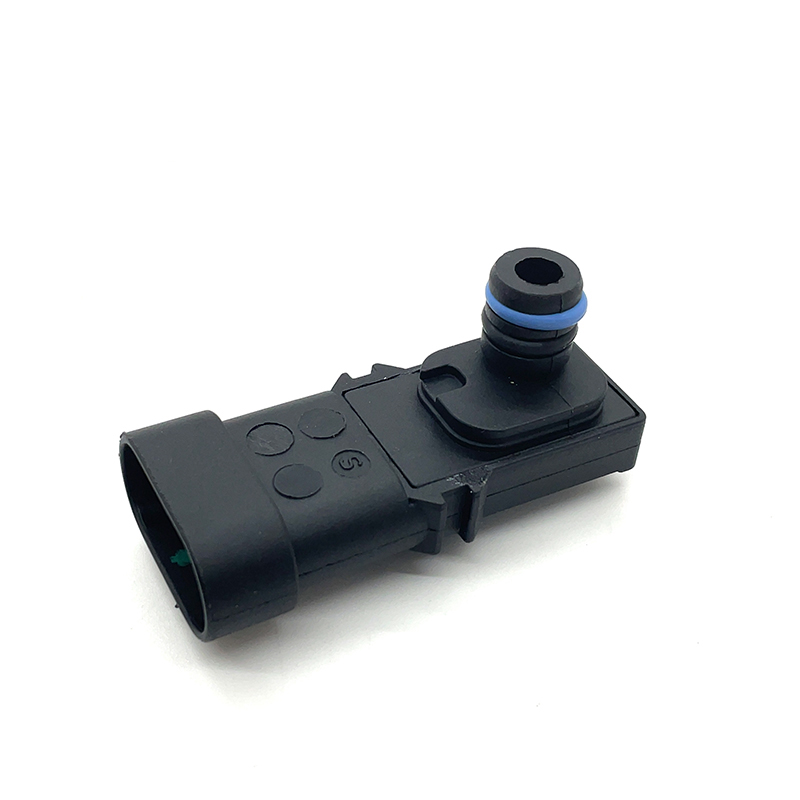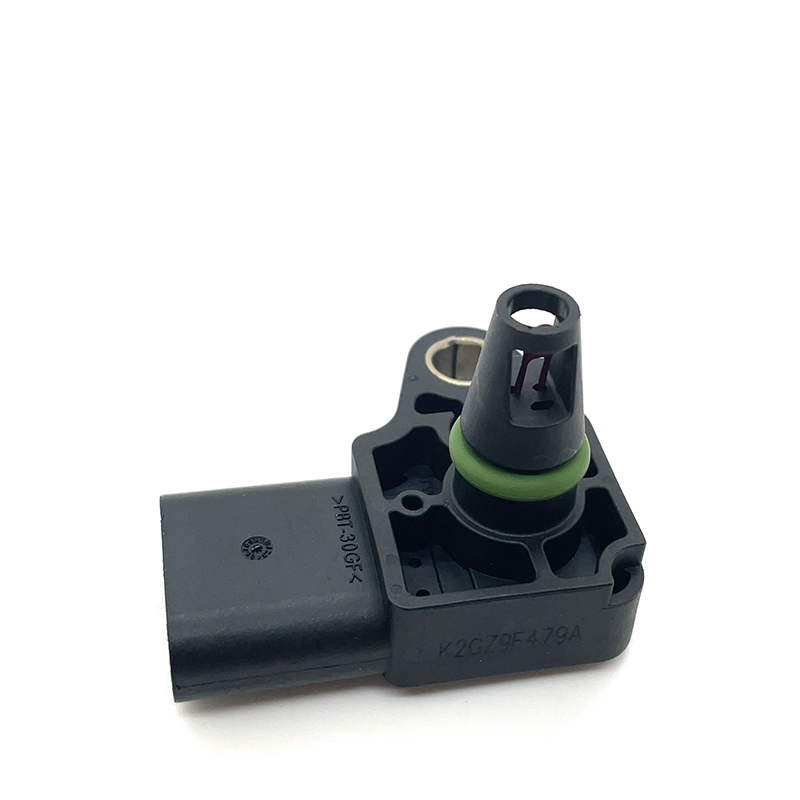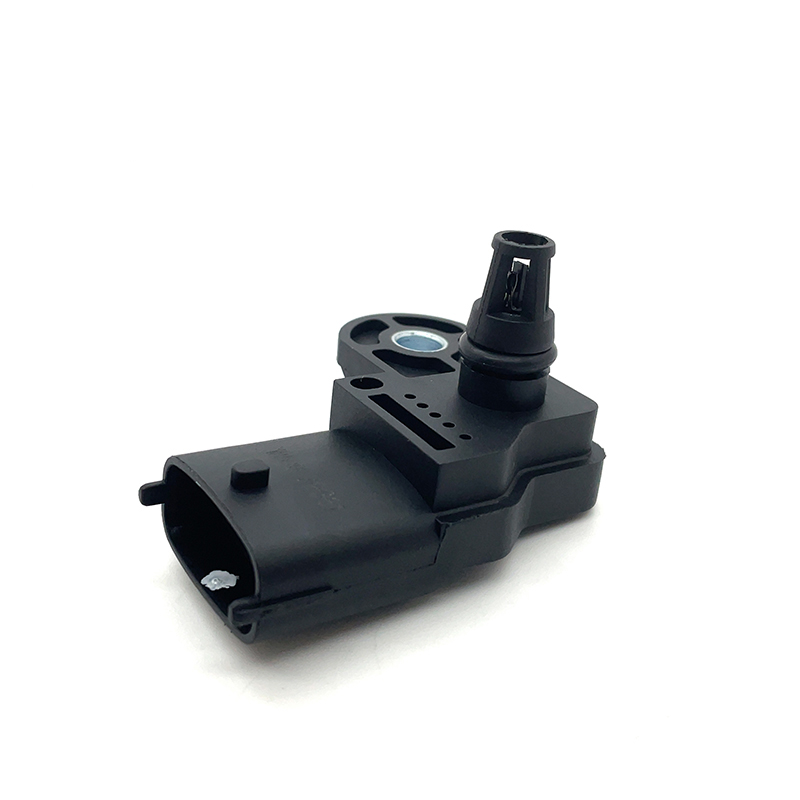

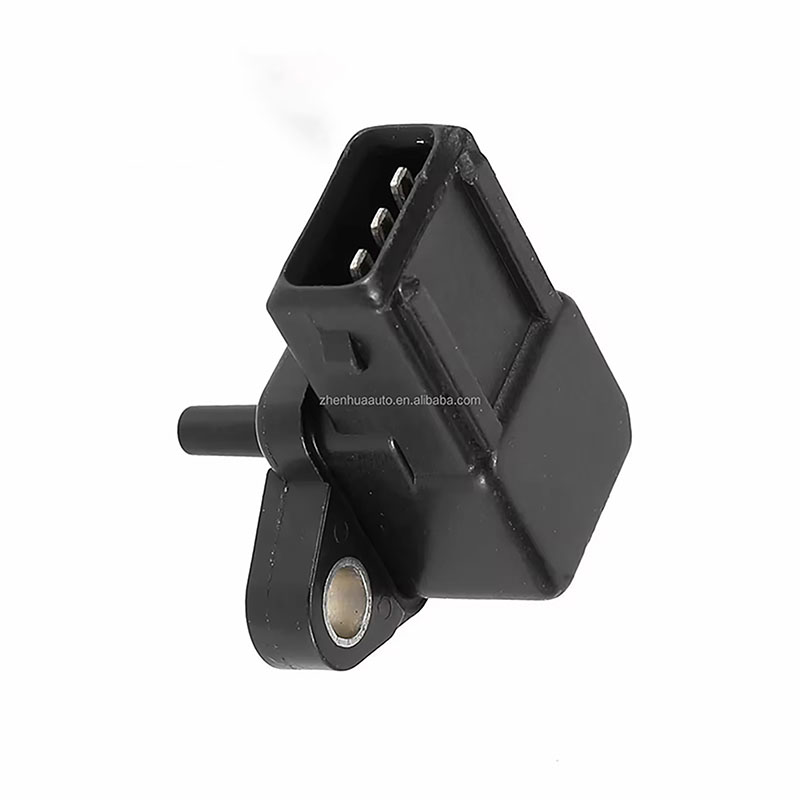
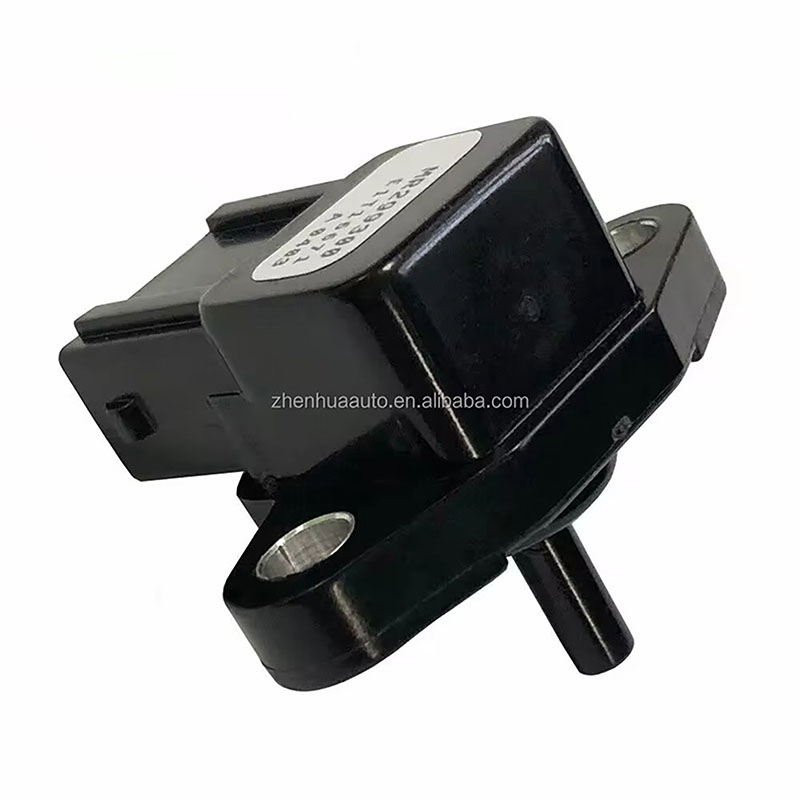
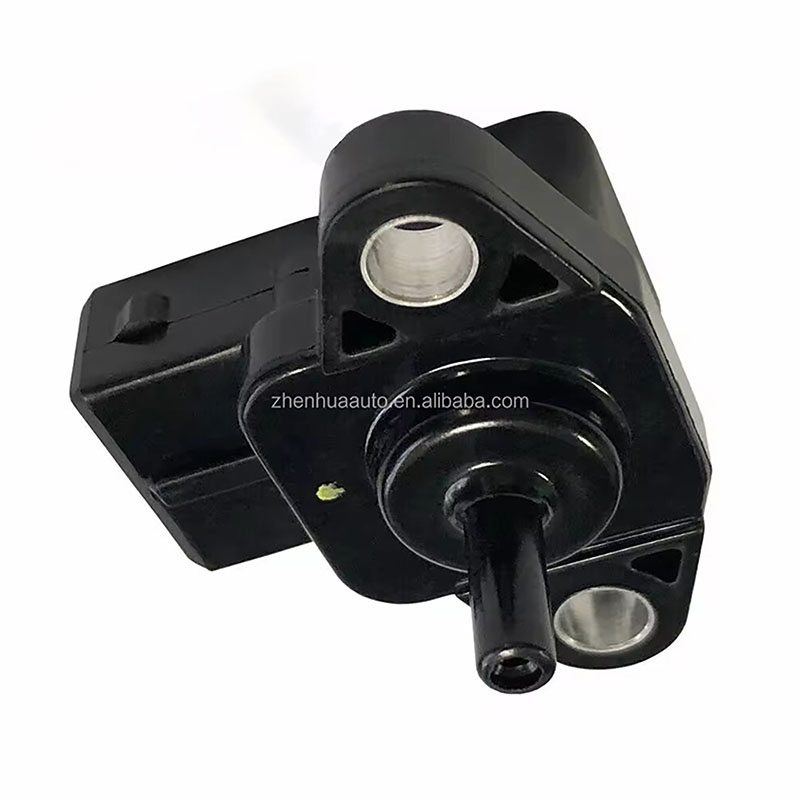
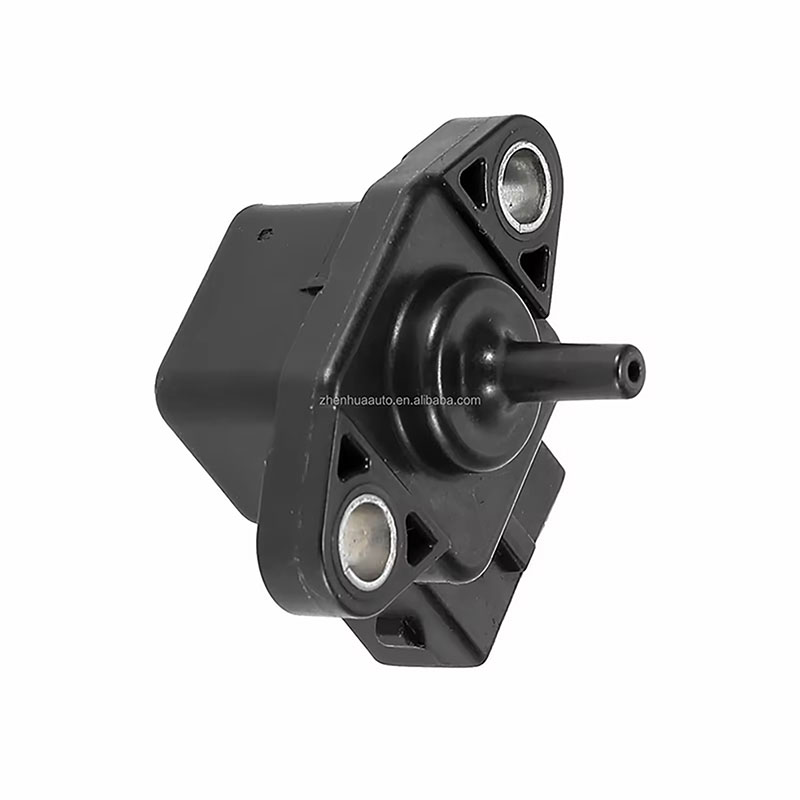
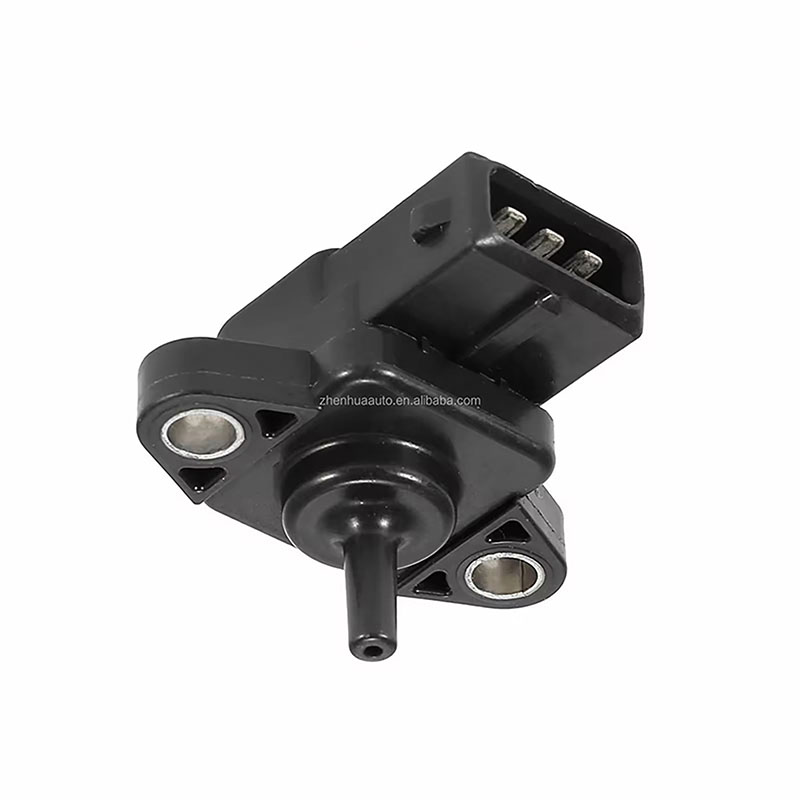
Introduction To MR299300 MAP Sensor
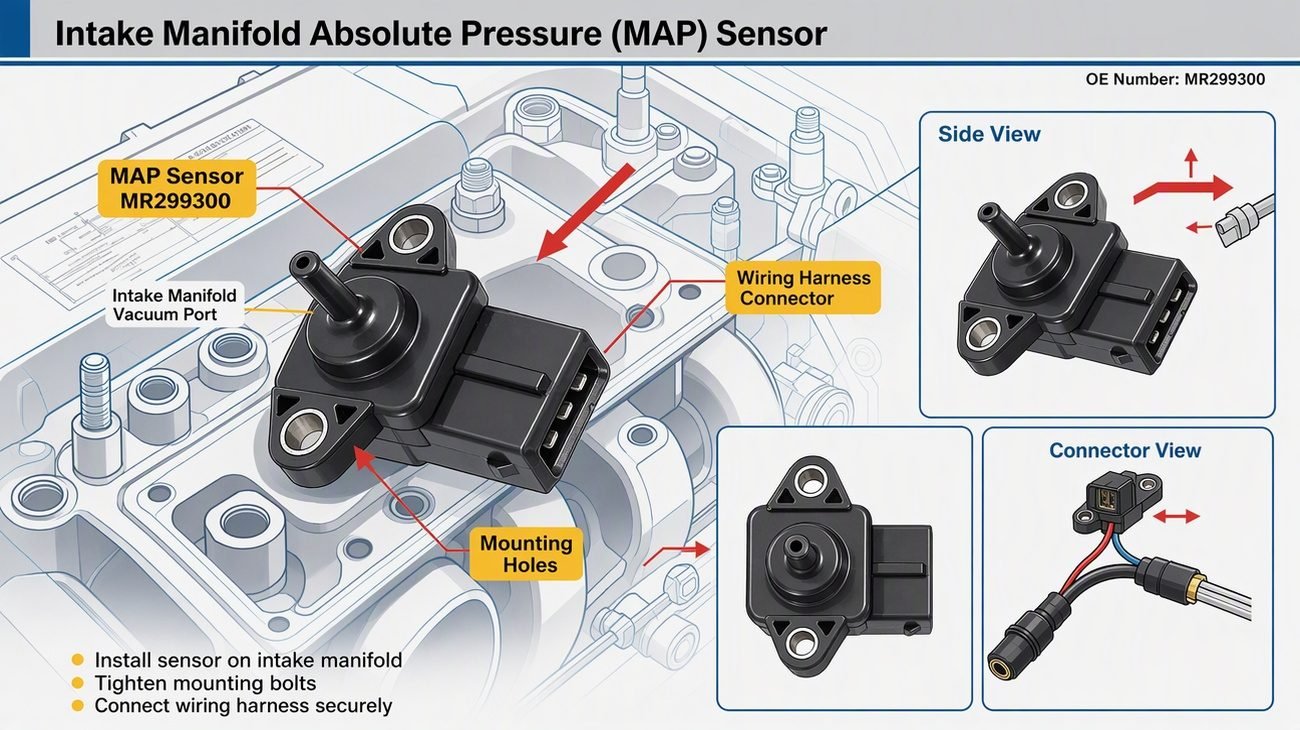
Le MR299300 is an OEM-standard 3-pin intake manifold absolute pressure (MAP) / boost pressure sensor engineered for turbo-diesel applications. It is designed to deliver real-time manifold pressure data to the ECU/ECM, supporting precise air-fuel metering, stable turbo boost modulation, and efficient combustion on turbocharged engines.
Primary fitment is concentrated for Mitsubishi turbo-diesel platforms, including for the Pajero / Montero (V60, V3W, V6W, and related generations), for the L200 / Triton (K60T, K74T), and for the Pajero Sport / Montero Sport equipped with 2.5 TD / 2.5 TDi and 3.2 DiD engines. It is also commonly listed for the Volvo S40 and V40 in cross-reference catalogs; buyers are advised to confirm fitment against the original OE number before ordering.
Common failure symptoms addressed by this replacement include rough idle, hard starting (particularly when warm), hesitation or flat spots under acceleration, increased fuel consumption, and an illuminated check engine light. Related diagnostic trouble codes frequently include P0106 (MAP circuit range/performance), P0107 (MAP circuit low input), and P0108 (MAP circuit high input).
Compatibilité des véhicules et liste de références d'équipement d'origine
Vous trouverez ci-dessous la liste complète des véhicules concernés ainsi que les références des pièces d'origine interchangeables, pour vous permettre de vous y retrouver rapidement.
| Mitsubishi | Pajero II / Pajero III | 1997–2007 | 2.5L TD / 3.2L Di-D / 3.0L / 3.5L |
|---|---|---|---|
| Mitsubishi | Montero / Montero Sport | 1998–2008 | 3.0L / 3.5L V6 / 2.5L TD |
| Mitsubishi | Pajero Sport I | 1998–2008 | 2.5L TD / 3.0L V6 |
| Mitsubishi | L200 III / IV Pickup | 1996–2007 | 2.5L TD / 4WD |
| Mitsubishi | Shogun / Shogun Sport | 1998–2006 | 2.5L TD / 3.2L Di-D / 3.0L |
| Mitsubishi | Challenger | 1998–2008 | 3.0L V6 / 2.5L TD |
| Mitsubishi | Galant VIII / Galant Estate | 1996–2004 | 2.0L / 2.4L GDI / 2.5L V6 |
| Mitsubishi | Space Runner / Space Wagon | 1998–2004 | 2.0L / 2.4L GDI |
| Mitsubishi | Carisma | 1997–2006 | 1.8L GDI / 1.8L 16V |
| Volvo | S40 I | 1998–2004 | 1.8i GDI |
| Volvo | V40 I Estate | 1998–2004 | 1.8i GDI |
| Smart | Forfour | 2004–2006 | 1.5L Petrol |
| OEM Part Number | MR299300 / MR-299300 / E1T16671A / E1T16671 / J5T25871 | ||
Note: All vehicle brand names and model designations below are referenced strictly for technical fitment and compatibility verification.
Wholesale Trading Terms
Quantité minimale de commande
Our MR299300 intake manifold absolute pressure map sensor standard minimum MOQ is 10 pieces per model. We also accept mixed orders of different sensor models to meet your diverse sourcing needs.
Délai de livraison
For all in-stock intake manifold absolute pressure map sensor, we can arrange shipment within 3-7 business days. For large-volume wholesale orders, the production and delivery cycle is approximately 20 to 25 business days.
Politique de garantie
MR299300 intake manifold absolute pressure map sensor come with a 12-month OE-quality warranty. If any manufacturing defect occurs within the warranty period, send us a video and we’ll offer a free return or exchange.
Emballage
Par défaut, nous utilisons des cartons blancs neutres standard pour l'emballage. De plus, nous pouvons fabriquer des cartons de couleur personnalisée ou des emballages extérieurs à l'effigie de votre marque, en fonction de vos besoins spécifiques.
Transports
Nous travaillons en partenariat avec les principales entreprises internationales de messagerie, notamment DHL, FedEx et UPS. Nous sommes donc en mesure d'assurer des livraisons dans le monde entier, couvrant la quasi-totalité des pays et des régions.
Paiement
Nous acceptons divers moyens de paiement sécurisés, tels que les virements bancaires, PayPal et Western Union. Pour nos clients de longue date, nous pouvons également proposer des modalités de paiement flexibles.
Service OEM et de marque de distributeur
Nos emballages de marque peuvent être personnalisés en termes de dimensions, de matières premières et de procédés de conditionnement afin de répondre aux besoins des différents marchés régionaux. De plus, nous proposons des partenariats de production flexibles et fiables aux grossistes, distributeurs, acheteurs en gros et sociétés commerciales du monde entier. En résumé, nous proposons un service complet de marque de distributeur, comprenant la gravure laser de logos, la personnalisation des étiquettes de produits, la mise en sachets plastiques scellés et l'impression de boîtes en couleur.

Professional Installation & Diagnostic Guidelines
- Pre-Installation Safety: Turn off the engine ignition switch and disconnect the vehicle’s negative battery terminal before disconnecting any electrical wiring.
- Locate the Sensor: Find the MR299300 sensor mounted on the firewall, inner fender apron, or intake manifold bracket on for Mitsubishi Pajero, Montero, L200, or Galant models.
- Inspect Vacuum Line: Carefully disconnect the rubber vacuum hose from the sensor nipple. Check the hose for splits, hardening, soft spots, or internal oil sludge clogging. Replace damaged vacuum tubing.
- Disconnect & Unbolt: Squeeze the locking tab on the 3-pin electrical connector and disconnect the wiring harness. Remove the single mounting bolt securing the metal bushing bracket.
- Install New Sensor: Fasten the new MR299300 sensor using the original mounting bolt (torque to approx. 6.0 – 8.0 Nm). Reattach the vacuum hose firmly onto the barb port, ensuring a tight leak-free fit.
- Reconnect & Clear Codes: Connect the 3-pin wiring harness until the latch clicks securely. Reconnect the battery terminal, start the engine, verify smooth idle operation, and use an OBD-II diagnostic scanner to clear any stored historical DTCs.
Centre d'aide
FAQ
Q1: How is the MR299300 sensor mounted and connected compared to manifold push-in sensors?
A: Unlike push-in MAP sensors that seat directly into a hole in the intake plenum with an O-ring, the MR299300 uses a remote bracket mount with a single metal-sleeved bolt hole. It is fastened to the vehicle’s firewall or an intake bracket and connected to the intake manifold vacuum port via a flexible rubber vacuum hose. This remote design protects the sensing diaphragm from direct manifold heat soak and excessive crankcase oil accumulation.
Q2: What specific OBD-II diagnostic fault codes (DTCs) indicate a failing MR299300 sensor?
A damaged, worn, or clogged MR299300 sensor can trigger:
P0105 – MAP/BARO circuit malfunction
P0106 – MAP/BARO range/performance problem
P0107 – MAP circuit low voltage input (open circuit or short to ground)
P0108 – MAP circuit high voltage input (short to reference voltage or disconnected ground)
Common symptoms: hesitation under acceleration, surging or fluctuating idle, stalling during deceleration, dark exhaust smoke (rich mixture), reduced fuel economy, and Check Engine Light (MIL) illumination.
Q3: Are part numbers MR299300, E1T16671, and E1T16671A completely interchangeable?
A: MR299300 is a widely referenced part number for Mitsubishi applications, while E1T16671A, E1T16671, and E001T16671A are alternative cross-reference numbers commonly associated with this sensor. They share identical 3-pin electrical pinouts, mounting dimensions, pressure response curves, and vacuum nipple fittings.
Q4: Why is inspecting the vacuum hose and manifold nipple essential when replacing the MR299300 sensor on for Mitsubishi Pajero / L200?
A: Over time, the vacuum hose between the manifold and MR299300 can become brittle, cracked, hardened, or clogged with oil vapor and soot. A small crack or pinhole lets air in, so the sensor falsely reports high manifold pressure (low vacuum). When fitting a new MR299300, check the vacuum line for leaks and clear carbon blockage in the manifold port nipple.