

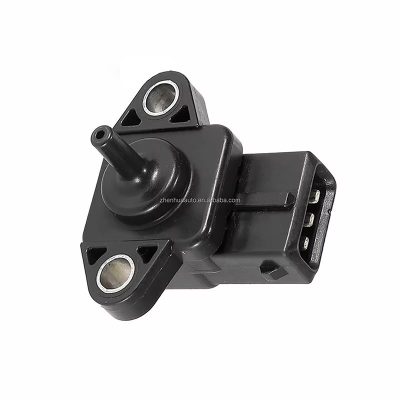
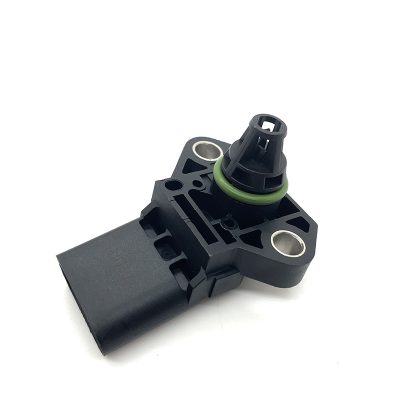
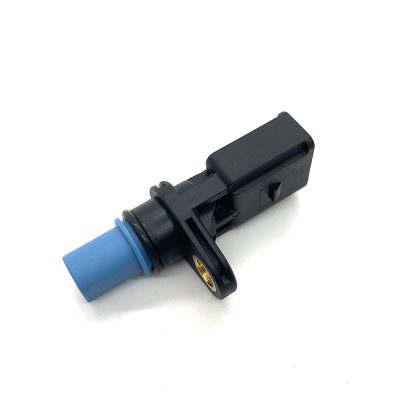
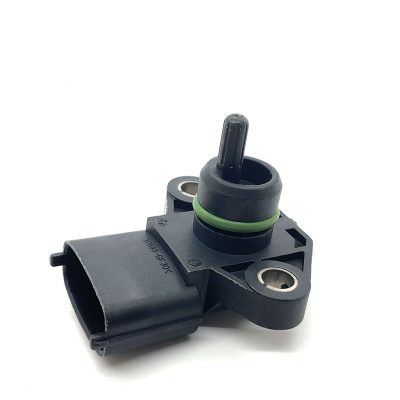
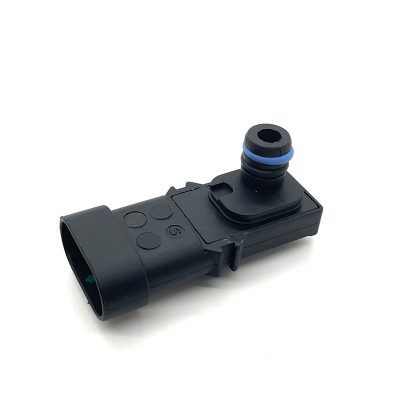
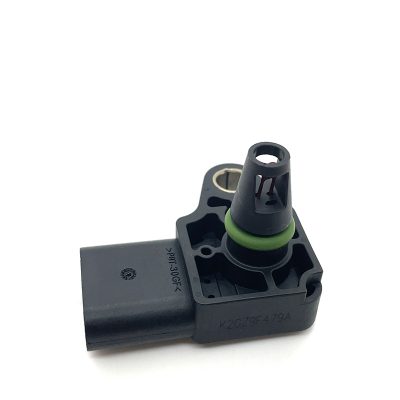
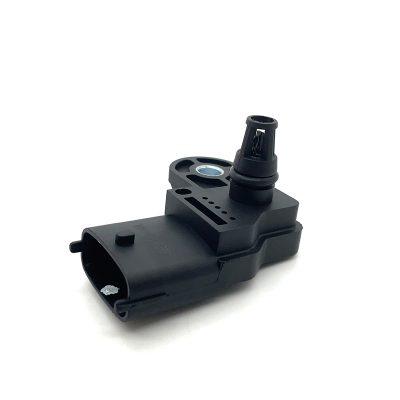
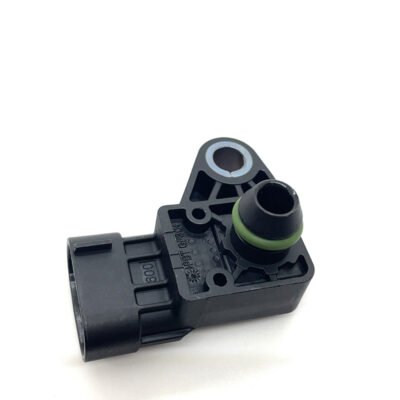
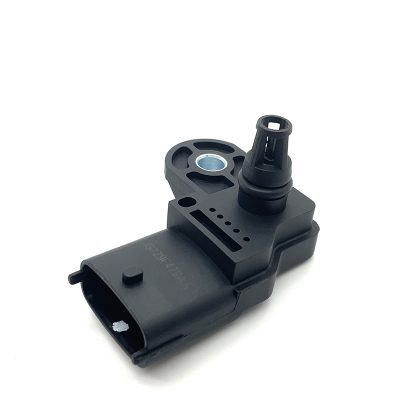
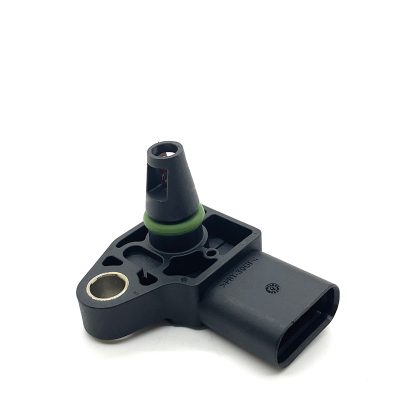
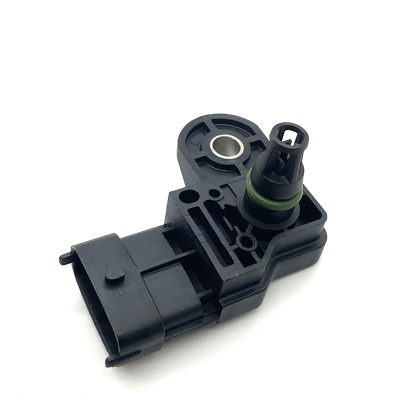
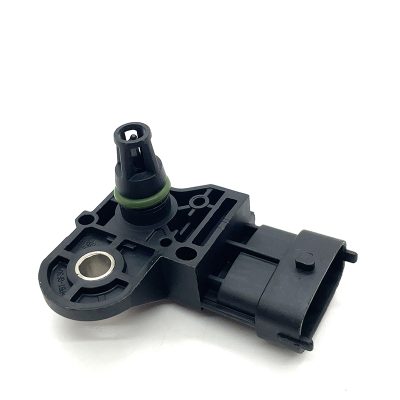
What is a MAP sensor?
A is a small plastic device that measures the amount of positive air pressure entering the intake manifold. It sends data to the vehicle’s engine control unit (ECU) to calibrate the injectors to match the amount of air in the cylinder.
How much does it cost to replace a MAP sensor?
Aftermarket MAP sensors cost between $10 and $100 on demo.myautopartsfactory.com. The price of MAP sensors depends on their brand and quantity. Labor costs are fairly low, ranging from $4 to $25.
Buy after-sales MAP sensors on www.myautopartsfactory.com
Please visit www.myautopartsfactory.com for inquiries on MAP sensors. We offer aftermarket MAP sensors engineered to meet original factory quality and performance standards. Our sensors have been tested to ensure their readings are accurate. You can expect better power and improved fuel economy. You can’t get this kind of performance with low-quality alternatives.
We have great options at all price points. We also offer MAP sensor kits in the mid- and high-end price ranges for drivers who want more performance than a stock MAP sensor. It’s up to you to decide which one best suits your needs.
Need a MAP sensor for a specific vehicle? Simply enter your vehicle’s year, make and model into our vehicle selector tool to find compatible MAP sensors and send your customer an inquiry.
Once completed, we will deliver the MAP sensor to you within 3-7 working days. Send an inquiry now and enjoy our hassle-free shipping!
Introduction to Air Inlet Pressure Sensor
The Air Inlet Pressure Sensor of Zhenhua Auto Parts Company is a key component in the automobile engine management system. Like the “air pressure guardian” of a car, it accurately measures the air pressure entering the engine and transmits these key data to the vehicle electronic control unit (ECU) in real time. Based on this data, ECU accurately regulates the fuel injection quantity and ignition timing to ensure that the engine can maintain the best combustion efficiency under various working conditions, realize the stability and high efficiency of power output, reduce fuel consumption and exhaust emissions, and provide a solid guarantee for the overall performance of the vehicle.
Features of Air Inlet Pressure Sensor
High-sensitivity sensing element
Advanced piezoresistive or capacitive sensing technology is adopted, and a high-precision pressure sensitive chip is built in, which can sensitively capture the subtle changes of intake pressure, respond extremely quickly to pressure fluctuations, and instantly convert pressure changes into accurate electrical signals, providing accurate data support for engine control.
Stable and durable structural design
The sensor housing is made of high-strength, high-temperature resistant and corrosion-resistant engineering materials, which can effectively resist the high temperature and vibration in the engine compartment and the possible impurities in the intake air. After special packaging and protection, the internal circuit has good moisture-proof, dust-proof and seismic performance, which ensures long-term stable work in harsh environment and greatly prolongs the service life of the product.
Accurate calibration and adaptation
The professional R&D team of Zhenhua Auto Parts has strictly calibrated and optimized the Air Inlet Pressure Sensor according to the characteristics of engine intake systems of different models. Ensure that the product can be seamlessly matched with the original vehicle engine management system after installation, and can run stably without complicated debugging, so as to ensure that the vehicle performance is not affected.
Aplicação
Suitable for all kinds of gasoline engine and diesel engine vehicles, covering cars, SUVs, MPVs, light trucks and other models. Whether it is daily driving on urban roads, long-distance trekking on expressways or off-road driving under complex road conditions, the sensor can play a stable role, providing reliable guarantee for monitoring the intake pressure of the engine and ensuring that the vehicle can maintain a good running state under different working conditions.
Clientes-alvo
Mainly for Business customers such as automobile manufacturers, auto repair shops, auto parts dealers and auto modification shops. Automobile manufacturers regard it as high-quality original parts to improve the performance and reliability of new cars; The automobile maintenance factory uses this sensor to quickly diagnose and repair the fault of the engine air intake system, so as to improve the maintenance efficiency and customer satisfaction. Auto parts dealers expand market share by virtue of their high quality and wide applicability; Automobile refitting shops use this sensor to achieve more accurate engine adjustment when they carry out modification projects such as power upgrading of vehicles.
Manutenção
Regular cleaning
Wipe the sensor surface gently with a clean and soft cloth every certain mileage (for example, 10,000 kilometers) to remove impurities such as dust and oil, so as to prevent it from affecting the sensitivity and accuracy of the sensor.
Check the connection line
Check whether the connection line between the sensor and ECU is loose, damaged or aging every 5,000 kilometers, and repair or replace it in time if there is any problem to ensure normal signal transmission.
Avoid physical impact
During vehicle repair or maintenance, pay attention to avoid severe physical impact on the sensor to prevent internal components from being damaged and affecting its performance.


