
-
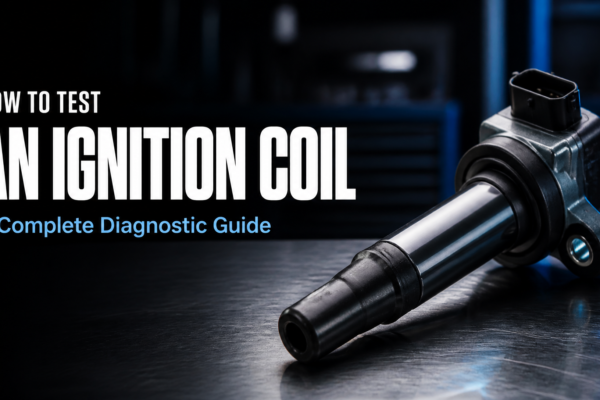
How to Test an Ignition Coil: A Complete Diagnostic Guide for Repair Shops & Distributors
The ignition coil is the heart of a vehicle’s Engine Electronic Fuel Injection (EFI) system, responsible for transforming the battery’s low voltage into the thousands of volts needed to create an electric spark in the spark plugs. When an ignition coil fails, it leads to engine misfires, rough idling, poor fuel economy, and potential catalytic converter damage. For auto repair shops, misdiagnosing an ignition coil or replacing it with a substandard aftermarket part means one thing: costly comebacks. For auto parts distributors and wholesalers, supplying unreliable coils damages your reputation and eats into profit margins. In this guide, we will walk you through the most accurate methods to test an […]
2026-9-14 -

YZHIDIANFオートパーツショールームは完全にアップグレードされています:より良いディスプレイ、より高い効率、プレミアムサービス
YZHIDIANFでは、信頼は透明性とタッチによって構築されると信じてきました。20年近くにわたり、私たちは自動車部品の専門製造業者および貿易業者として、エンドツーエンドのソリューションを提供するために業界と貿易を統合し、グローバルパートナーにサービスを提供してきました。カスタマー・エクスペリエンスを向上させるための継続的な取り組みの一環として、この度、物理的なショールームとサンプル・ルームの包括的なアップグレードという重要なマイルストーンを発表できることを嬉しく思います。この改修は単に美観のためではなく、デジタル・コミュニケーションと物理的検証のギャップを埋めるための戦略的強化であり、最終的には海外のバイヤーがよりスマートで迅速な調達決定を下せるよう支援するものです。Before After I. 背景:私たちが投資した理由
2026-3-12 -

共に未来を駆ける:YZHIDIANF、広州で2025年年次祝賀会を開催
広州、中国 - 広州の広い空の下、都市のエネルギーと大自然の静けさが出会う場所で、YZHIDIANFは先日、2025年の年次祝賀会を開催した。同社は、従来の企業の舞台から離れ、活気あふれる屋外でのキャンプの祭典を選んだ。このイベントは、一流自動車部品メーカーとしての卓越した19年間への力強い賛辞であるとともに、世界的な事業拡大が進む中、2025年目標を上回る業績を達成する原動力となったチームへの心からの「感謝」となった。2007年の創業以来、YZHIDIANFは先見性のある家族経営の新興企業からグローバルに活躍する組織へと成長しました。今日、 [...]...
2026-2-10 -
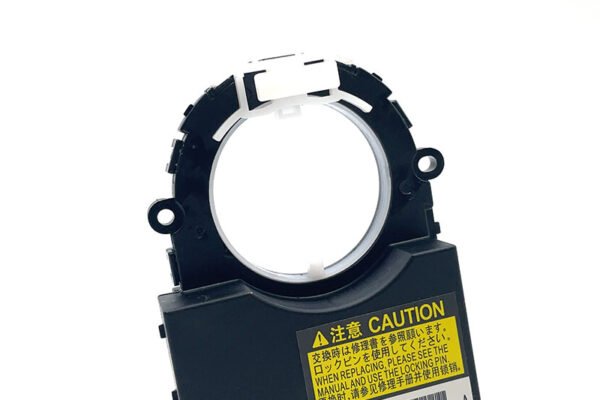
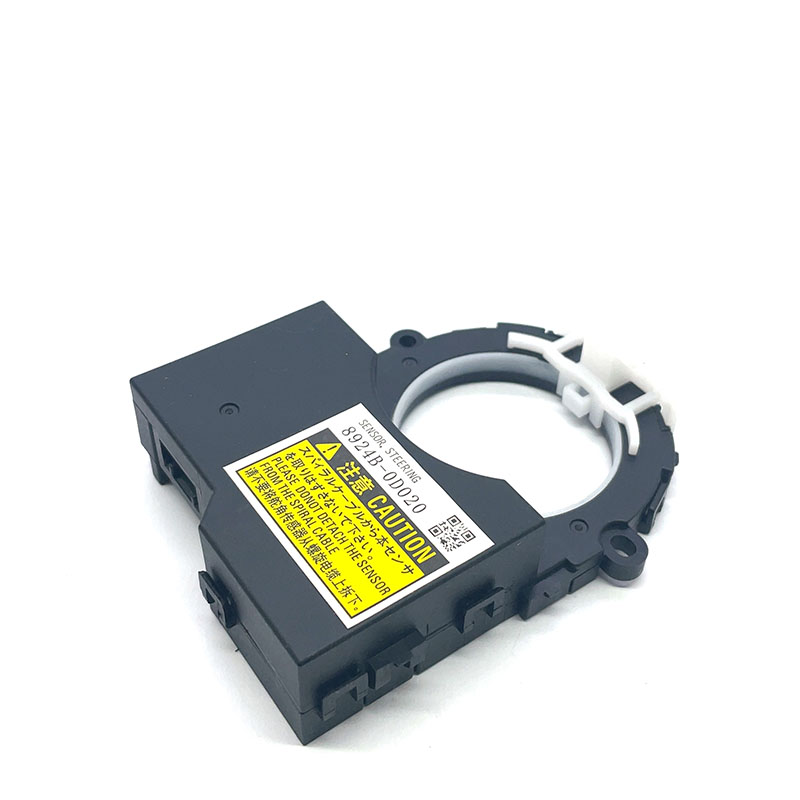
7 ステアリングアングルセンサーの症状
現代の車両安全システムでは、精度とコミュニケーションが極めて重要です。様々な電子部品の中でも、操舵角センサーは複数のアシスタンスシステムを調整する中核的な役割を担っています。このセンサーが故障すると、車両の安全性、ステアリングの安定性、ドライバーのコントロールのすべてが影響を受ける可能性があります。自動車部品の調達、メンテナンス、流通を管理するB2Bバイヤーにとって、ステアリングアングルセンサーの不良症状を理解することは、トラブルシューティングの時間を短縮し、不必要な部品の返品や保証クレームを回避するのに役立ちます。ステアリング角センサーの役割を理解する ステアリング角センサーは、ステアリングホイールの位置、方向、回転速度を収集します。その情報は車両コントロールモジュールに送信され、スタビリティコントロール、ブレーキサポート、または [...] などの機能をサポートします。
2025-11-3 -
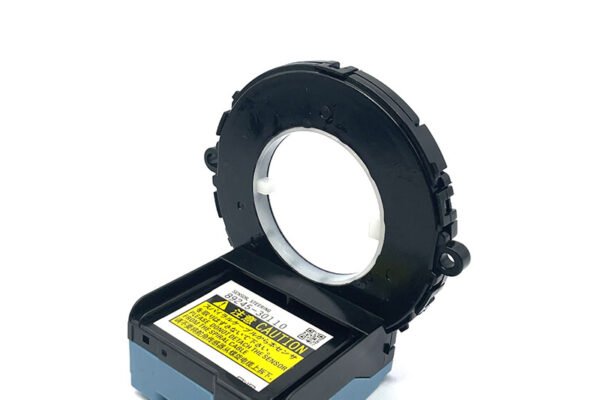
ステアリングアングルセンサーとは
最新の車両ステアリングシステムでは、デジタルセンシング技術がますます重要な役割を果たしています。その中でもステアリング角センサーは、車両の安定性、走行安全性、高度な車両制御を支える重要な部品として際立っています。自動車アフターマーケットとサプライチェーンにおいて、この部品を理解することは、購買効率を高め、メンテナンスリスクを低減します。この記事では、ステアリングアングルセンサーとは何か、どのように機能するのか、一般的な故障シグナル、B2Bバイヤーが知っておくべき重要な調達のヒントについて説明します。ステアリングアングルセンサーを理解する ステアリングアングルセンサーは、ステアリングコラムの内側に取り付けられた自動車の電子部品です。ステアリングホイールの操舵方向と回転角度を測定します。
2025-11-2 -
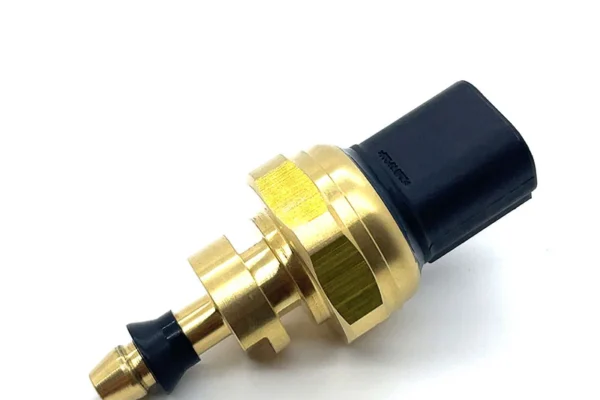
燃圧センサー不良の原因は?
はじめに 燃料圧力センサーは、現代の燃料システム管理において重要な役割を果たします。燃料レール内の圧力を測定してエンジン・コントロール・ユニット(ECU)に信号を送り、燃料と空気の混合状態を最適な状態に保ちます。燃料圧力センサーが故障すると、非効率的な燃焼、燃費の悪化、さらにはエンジンストールにつながる可能性があります。自動車部品販売業者、修理センター、OEMサプライヤーなどのB2Bバイヤーにとって、センサー故障の根本原因を理解することは不可欠です。適切な知識は、正確な診断をサポートするだけでなく、在庫計画、アフターマーケット・サポート、製品品質評価の指針にもなります。1.システム内の汚染された燃料またはゴミ 最も [...]...
2025-10-28 -
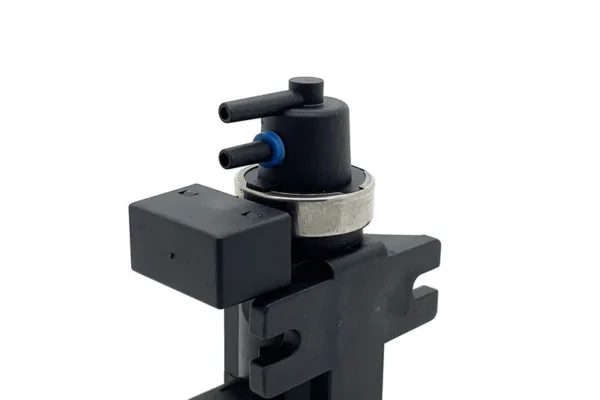
ブーストソレノイドバルブの点検方法
ブーストソレノイドバルブは、ターボチャージャーシステムを制御する上で重要な役割を果たします。ブーストソレノイドバルブは、ブースト圧を調整し、最適なエンジン性能を確保し、オーバーブーストによる損傷を防止します。自動車部品業界のB2Bバイヤーにとって、ブーストソレノイドバルブの点検方法を理解することは、製品の信頼性を維持し、顧客をサポートし、長期的なエンジン効率を確保するために不可欠です。このガイドでは、一般的な故障の兆候、主な検査方法、交換やメンテナンスのベストプラクティスなど、ブーストソレノイドバルブの検査プロセスについて説明します。1.ブースト・ソレノイド・バルブの機能を理解する ターボ・ブースト・コントロール・バルブと呼ばれることもあるブースト・ソレノイド・バルブは、圧力レギュレーターとして機能 [...]...
2025-10-27 -

ターボソレノイドバルブの機能と動作原理の説明
ターボソレノイドバルブはターボチャージャーへの空気の流れをコントロールします。これにより、ブースト圧をうまくコントロールすることができます。このパーツはエンジンが最高のパワーを発揮し、燃料を上手に使うのを助けます。また、ブーストをコントロールすることで、低公害化にも貢献します。また、重要なパーツを過度のストレスから守ります。ターボソレノイドバルブの機能 ターボチャージャー制御の基本 ターボチャージャーはエンジンに多くの空気を送り込みます。これにより、エンジンはより多くの燃料を燃焼し、より大きなパワーを得ることができます。このシステムでは、ブーストソレノイドバルブを使って空気圧を制御します。ブーストソレノイドバルブは、ターボチャージャー内の空気圧のゲートのような働きをします。エンジンがより大きなパワーを必要とする場合、ブースト [...]...
2025-10-21 -
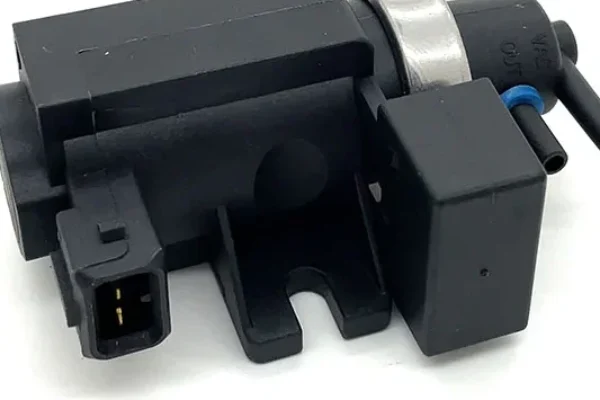
ターボブーストソレノイドの不良を確認する方法は?
加速が遅い、ターボラグがある、ブースト圧が弱いなどの症状が見受けられます。これらの問題は、ターボブーストソレノイドに異常があることを意味します。問題を早期に発見することで、ターボチャージャーをより危険な状態から守ることができます。車の走りに変化がないか、ダッシュボードに警告灯が点灯していないか確認してください。ターボ・ブースト・ソレノイドの症状 車の挙動がいつもと違う場合は、ターボ・ブースト・ソレノイドが悪い可能性があります。ターボチャージャーソレノイドバルブはターボチャージャーのブースト圧をコントロールする働きがあります。これが機能しなくなると、エンジンのパワーや走りに悪影響を及ぼすさまざまな問題が発生します。ここでは、最も一般的な兆候を紹介します。
2025-10-20 -
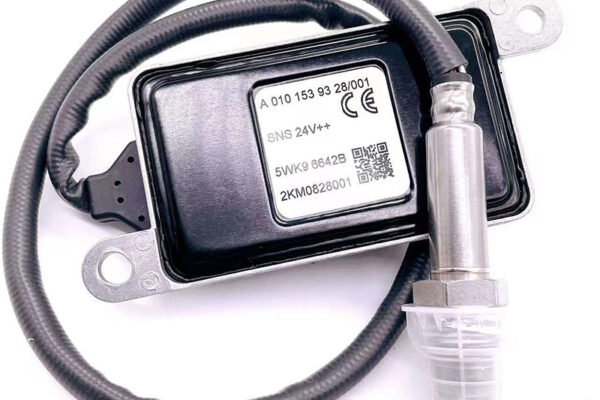
エンジンと排出ガスシステムにおけるNoxセンサーの機能
はじめに - 現代のパワートレインでNoxセンサーが重要な理由 今日の産業界や自動車業界では、クリーンで効率的なエンジンへの要求がかつてないほど高まっています。製造業、物流業、機器製造業では、性能と信頼性を維持しながら環境規制を満たすというプレッシャーに直面しています。そこで重要な役割を果たすのがNoxセンサーです。Noxセンサーは、最新のエンジン制御システムの重要なコンポーネントで、排気流中の窒素酸化物レベルを継続的に監視します。OEM、フリートマネージャー、機器インテグレーターなどのB2Bバイヤーにとって、Noxセンサーの機能を理解することは、コンプライアンス、長寿命、運用効率を保証する適切な排出ガスソリューションを選択するために不可欠です。Noxセンサーの機能を理解する
2025-10-16 -
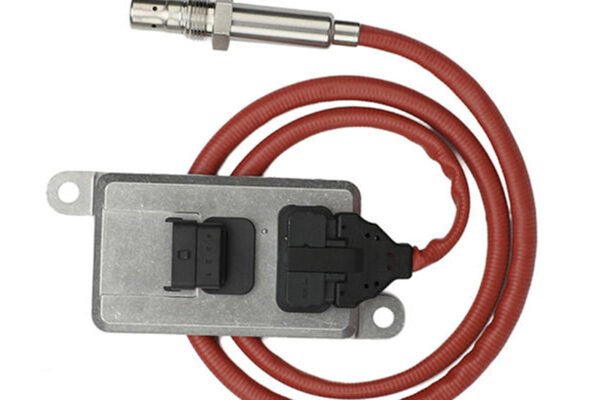
Noxセンサーがエンジン性能に与える影響
はじめに 排出ガス規制が厳しくなり、環境に対する責任が高まる現代において、効率的なエンジン管理はもはやオプションではなく、必要不可欠なものとなっている。メーカー、フリートオペレーター、産業バイヤーにとって、排出ガスコンポーネントが性能にどのような影響を与えるかを理解することは、長期的なビジネス戦略の中心となっている。このシステムで最も重要な要素のひとつが、排気ガス中の窒素酸化物(Nox)レベルを監視するために設計されたデバイスであるNoxセンサーです。高温燃焼中に生成されるNoxガスは有害な汚染物質であり、厳重に管理されなければならない。Noxセンサーは、エンジンが最適な燃料効率を維持しながら環境規制を遵守するために重要な役割を果たしている。自動車、船舶、[...]のB2Bバイヤーの皆様へ
2025-10-15 -
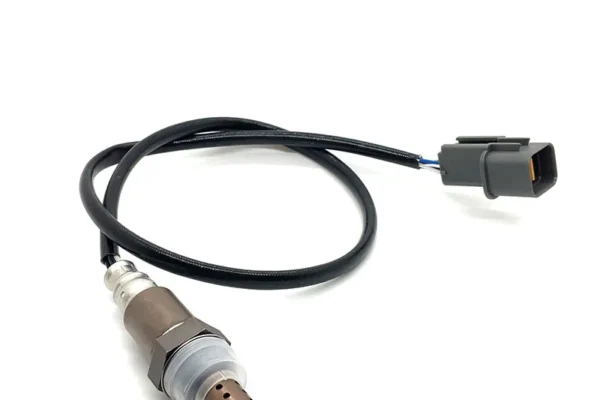
酸素センサーの故障によく見られる5つの症状
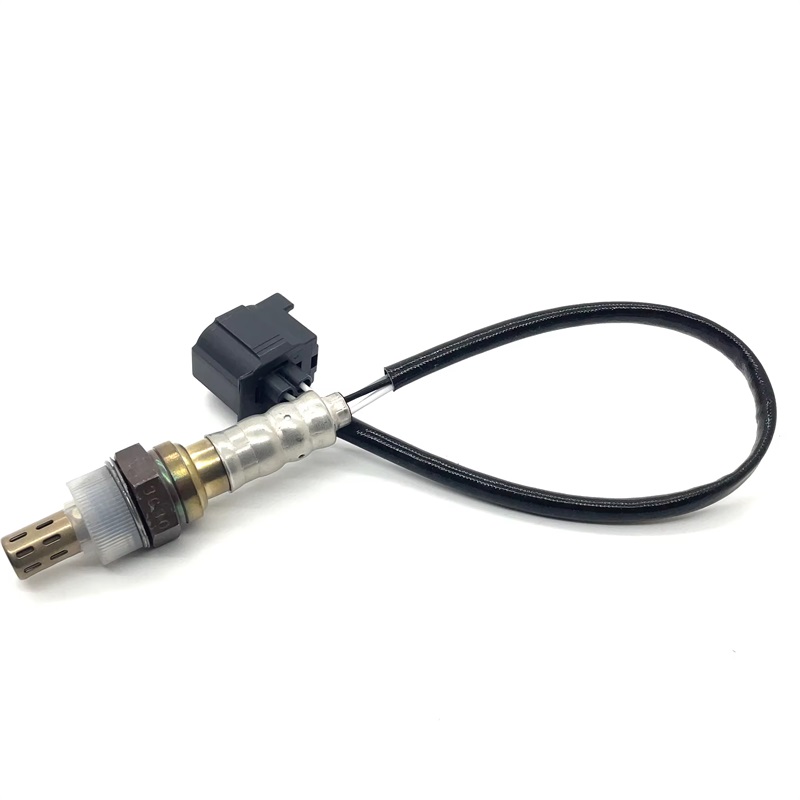
故障した酸素センサーの症状を理解するには、その重要な機能を知ることが重要です。車両の排気流に設置された酸素センサーは、燃焼後の未燃焼酸素の量をモニターし、電圧信号を生成します。高温の排気ガス中の酸素と外気を比較することで作動します。この信号は、空燃比(AFR)が「リッチ」(燃料過多)か「リーン」(酸素過多)かを車両のエンジン制御ユニット(ECU)に知らせます。 ECUはこのリアルタイムのフィードバックを利用して、理想的な空燃比14.7:1を目指し、噴射される燃料を常に調整する。この精度は、触媒コンバーターが有害な排出ガスを効率的に削減するために不可欠です。ほとんどの [...]
2025-10-11

パートナーを成功に導く
YZHIDIANFでより多くの、より良い機会を得る
-

コストと時間の節約
可能な限り時間とコストを節約できるよう設計された、専門家によるソリューションをご利用ください。.
-

より高い信頼性
自動車部品は、常に信頼できる結果を得るために、認定されたメーカーから入手しましょう。.
-

ワイズ・インベストメンツ
ブランドのインパクトと認知度を高めるためにデザインされたソリューションで、お客様の印象を末永く残しましょう。.
-

持続可能になる
自動車部品業界における持続可能な開発のリーダーとなり、生産、包装、輸送に至る全過程において環境に優しい原則を遵守する。.