Póngase en contacto con nosotros gratuitamente:
Hable con nuestros expertos en 1 minuto
Presupuesto en 1 hora
首页 » Productos » Piezas del sistema del motor » Sensor Nox
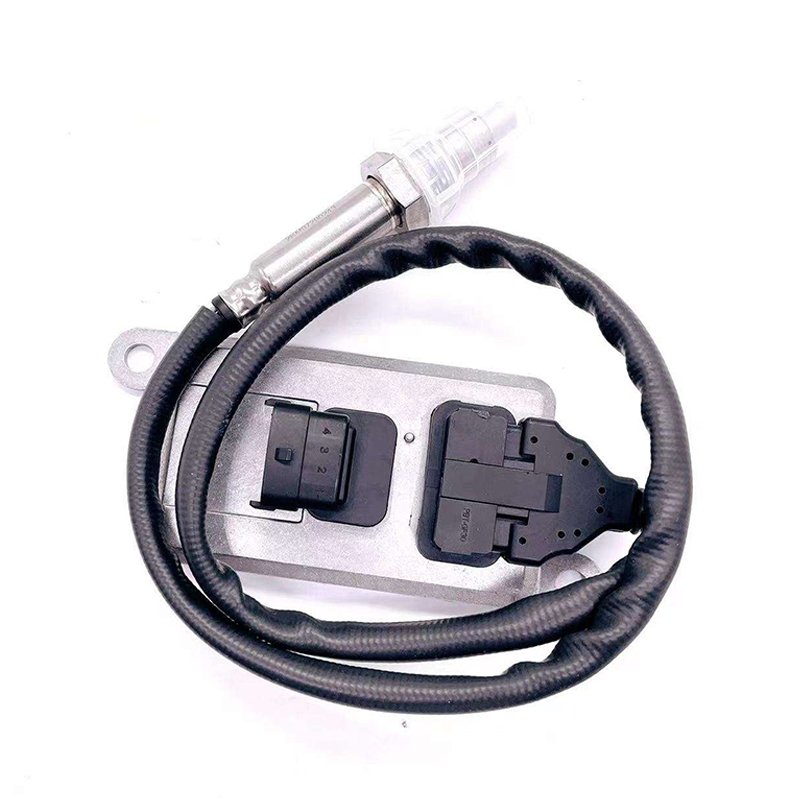
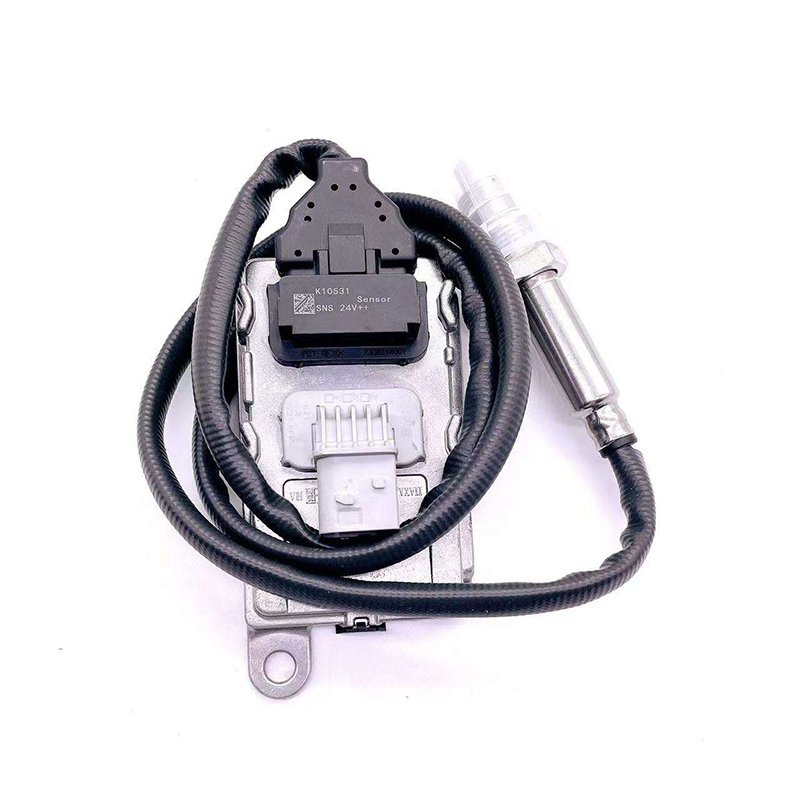
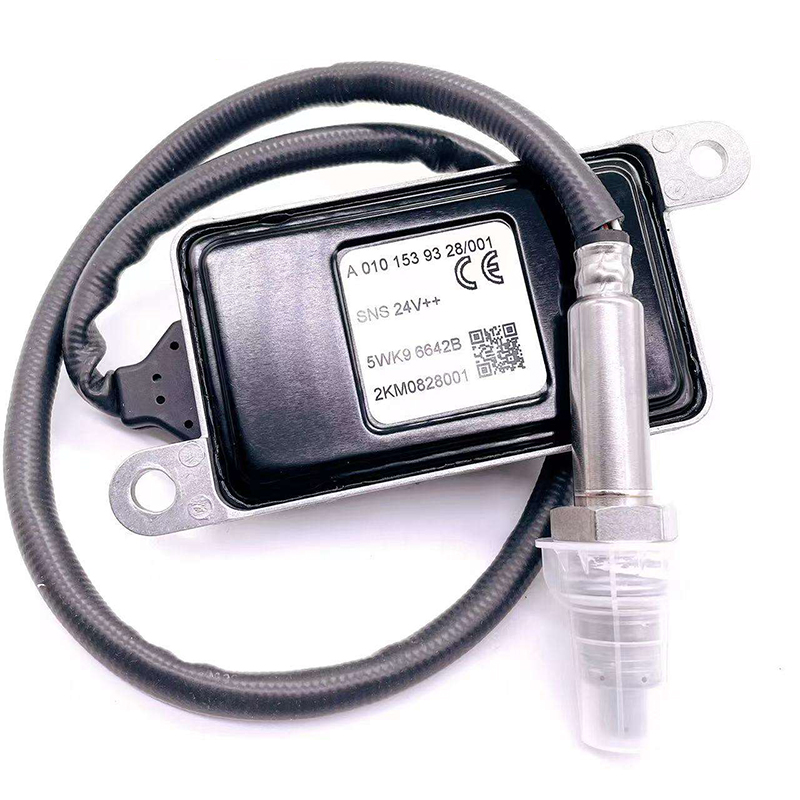
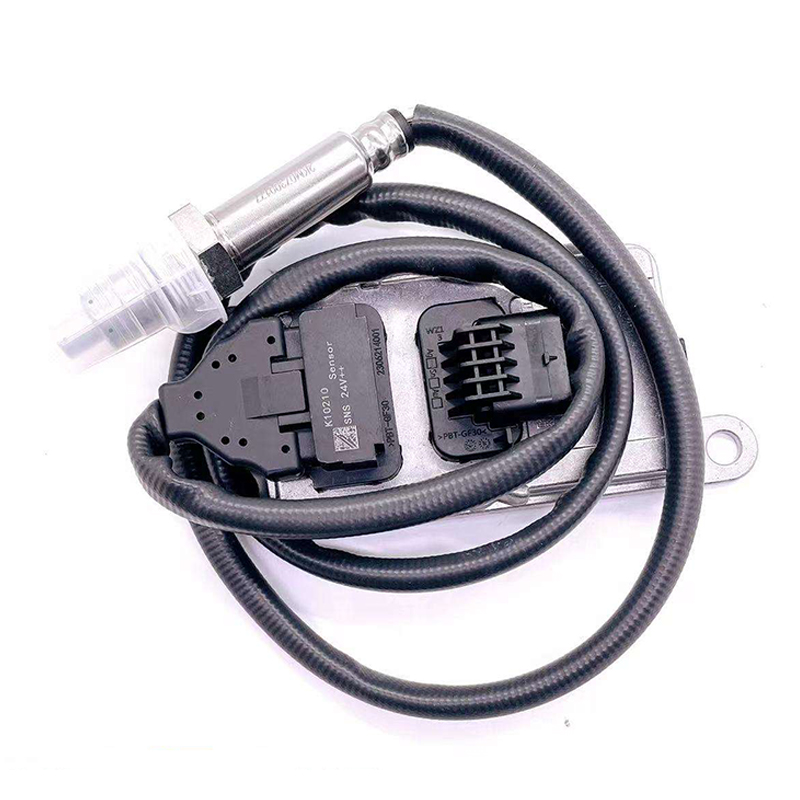
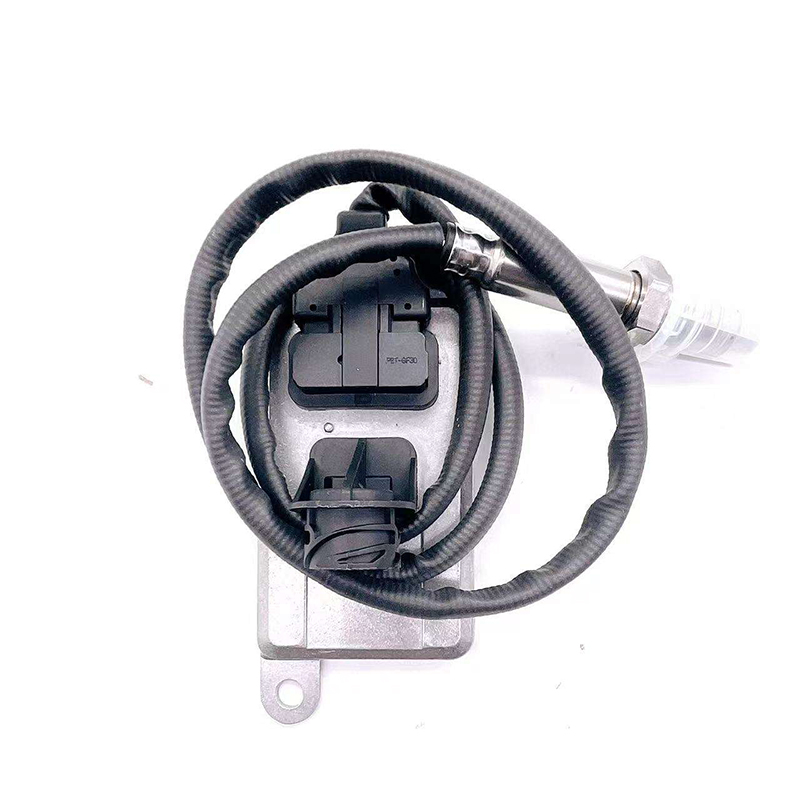
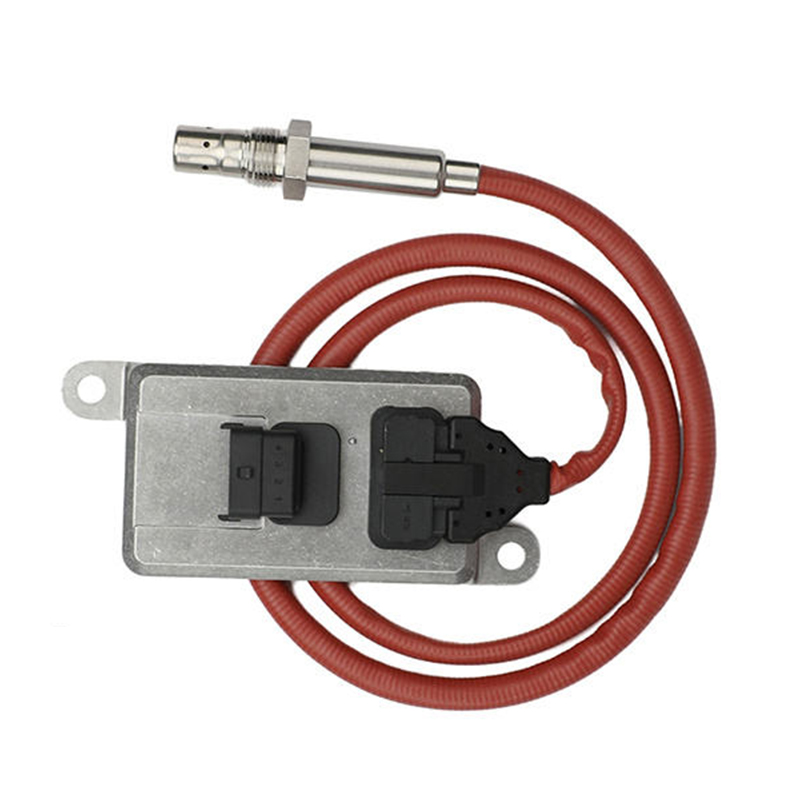
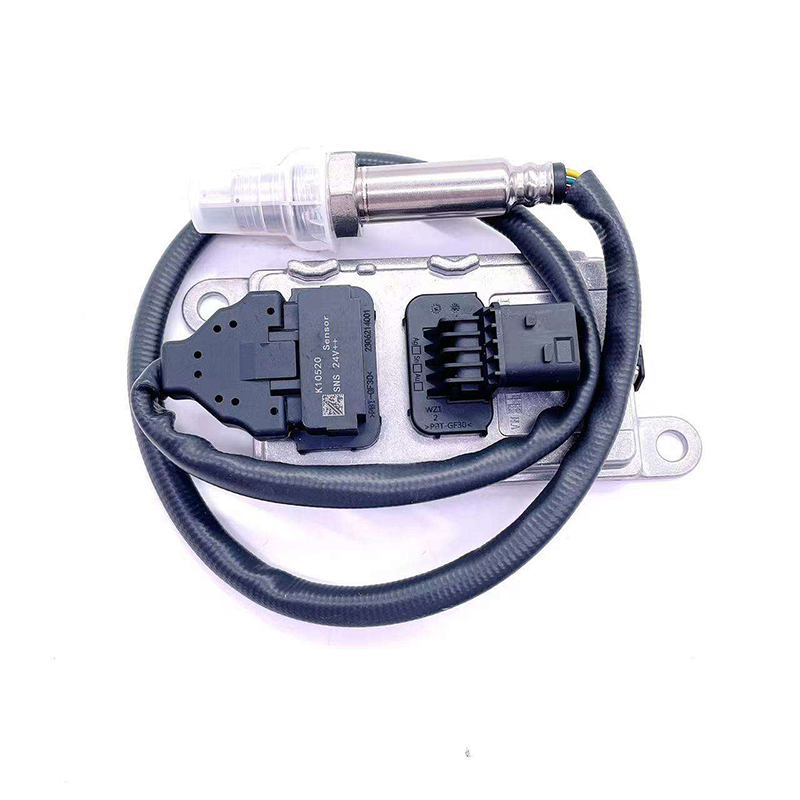
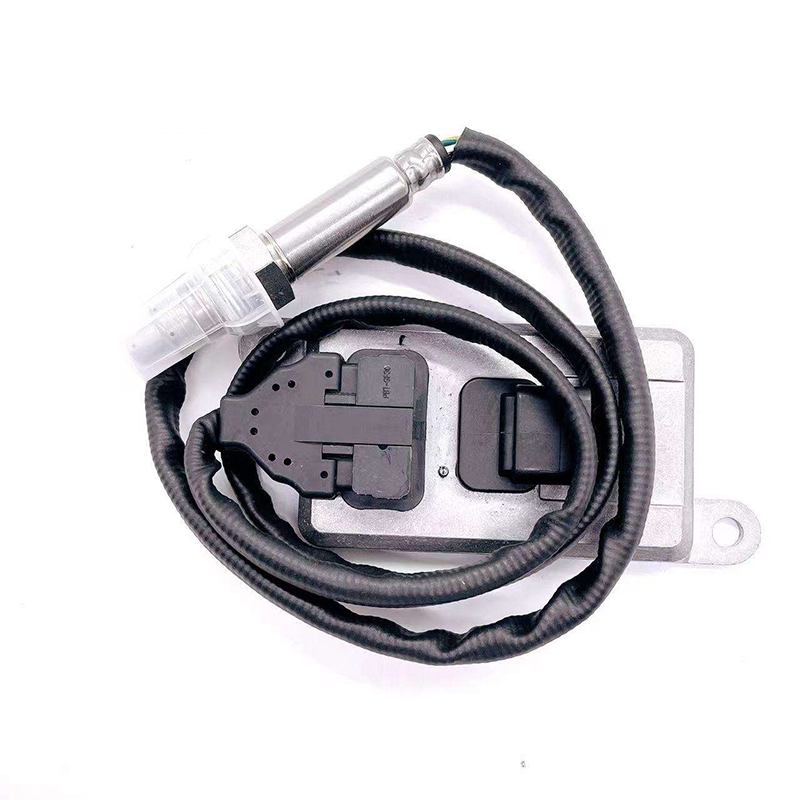
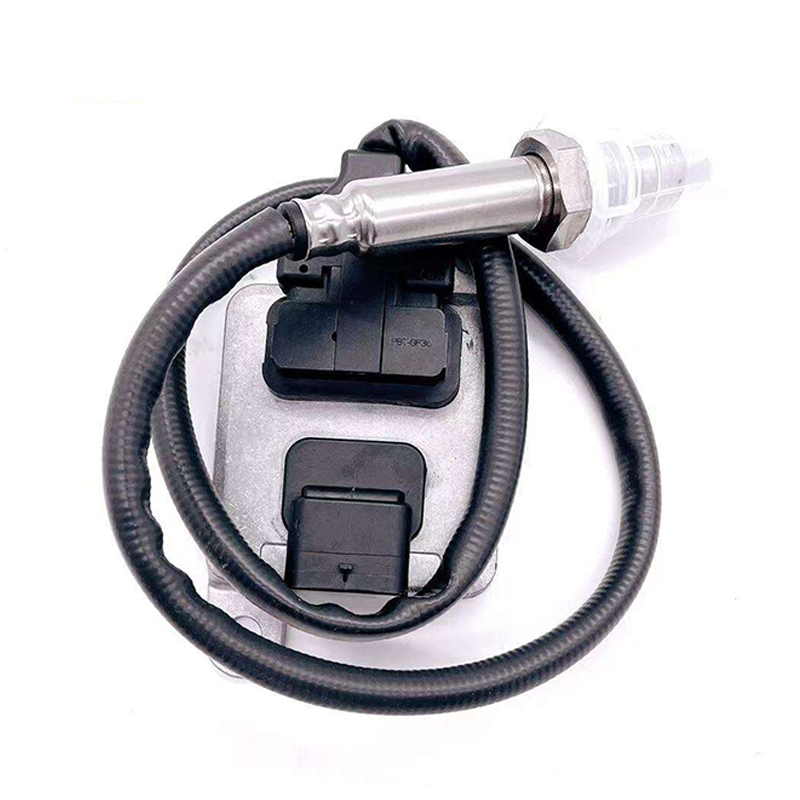
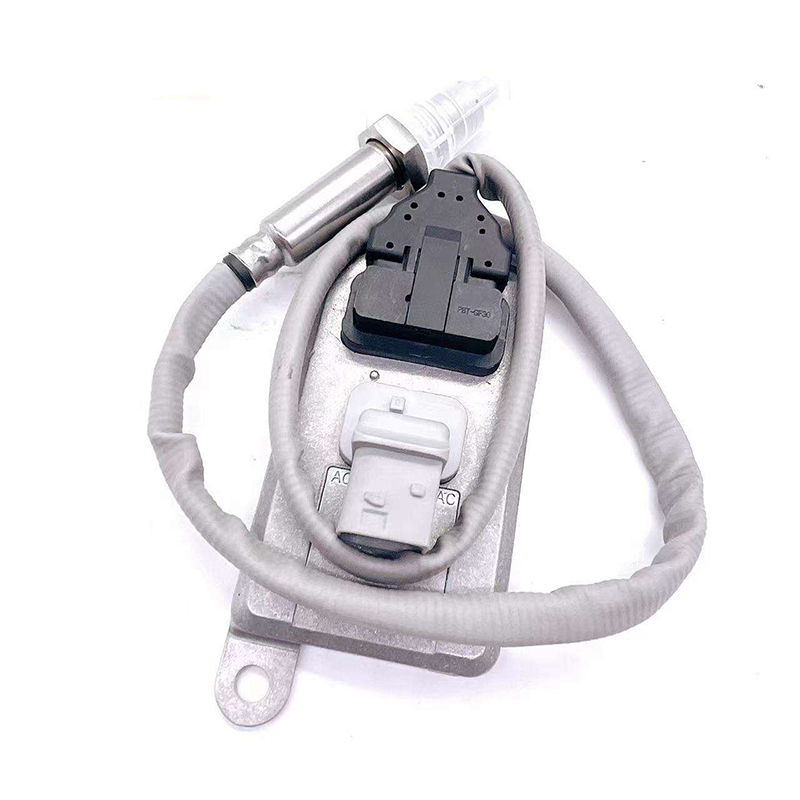
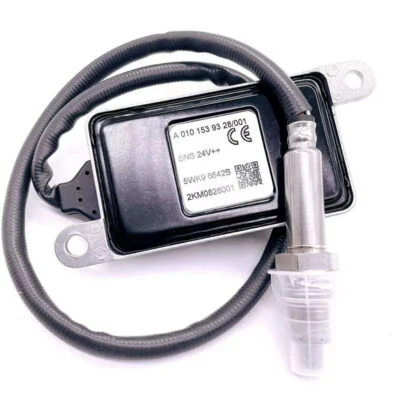
A NOx sensor is your diesel engine’s emissions compliance watchdog, continuously measuring nitrogen oxide (NOx) levels in the exhaust stream before and after the Selective Catalytic Reduction (SCR) system. Mounted upstream and/or downstream of the SCR catalyst, it provides real-time data to the ECU/DCU for precise diesel exhaust fluid (DEF) dosing, enabling optimal NOx conversion efficiency and regulatory compliance (Euro 4/5/6, EPA, China VI). Modern heavy-duty trucks, buses, agricultural machinery, and diesel passenger vehicles depend on reliable NOx sensors for proper SCR operation, fuel efficiency, and avoidance of derate or limp modes. As diesel emissions standards tighten globally, accurate NOx sensing has never been more critical.
As a professional NOx sensor manufacturer and NOx sensor supplier since 2007, YZHIDIANF combines 19 years of expertise with our own 3,000+㎡ manufacturing facility to deliver superior emissions sensing solutions. We serve global clients requiring OEM NOx sensor replacements, custom NOx sensor development, and competitive wholesale NOx sensor or bulk NOx sensor orders — all backed by integrated production, strict quality control, and responsive support for B2B partners worldwide.
NOx sensors must deliver accurate, fast-responding readings across a wide range of exhaust temperatures (150°C–800°C) and NOx concentrations — any drift or delay causes incorrect DEF dosing, reduced NOx conversion, or false fault codes. Our sensors feature advanced ceramic sensing elements with integrated heating elements and proprietary electrode materials, delivering linear output and CAN bus communication (J1939) that matches OE performance. Whether you need upstream (pre-SCR) or downstream (post-SCR) NOx sensors for Cummins, Detroit, Volvo, Mercedes, PACCAR, Hino, or Isuzu applications, our engineering ensures plug-and-play fitment, correct connector pinouts, and identical calibration data.
NOx sensors operate in the harshest environment — hot exhaust gas containing sulfur, soot, hydrocarbons, and water vapor — which quickly degrades inferior sensors. Every YZHIDIANF NOx sensor undergoes thermal shock cycling from -40°C to 900°C, 2,000-hour exhaust gas aging on a diesel engine test bench, sulfur poisoning resistance validation, and vibration testing simulating real-world road and off-highway conditions. We also verify heating element ramp-up time (typically <60 seconds to active temperature). We provide test reports and real-time verification videos for bulk orders, so you can source with confidence knowing each sensor maintains accurate NOx readings for hundreds of thousands of kilometers.
A failed NOx sensor triggers immediate engine derate or vehicle speed limitation — but long supply lead times cost you customers and downtime. We maintain deep stock of over 50 NOx sensor SKUs covering all major diesel platforms, including 5-pin and 7-pin Bosch-style connectors, with both 12V and 24V variants. With 75% of our product line ready for immediate dispatch and flexible MOQ options for wholesale buyers, we help you reduce stockout risks and fulfill truck repair centers, fleet operators, or dealer orders faster than typical factory turnaround.
As a dedicated NOx sensor manufacturer with our own 3,000+㎡ facility, we control every stage from ceramic substrate printing, electrode firing, sensor element assembly, and CAN bus calibration to final emissions bench validation. Unlike trading companies, we offer full traceability, custom labeling, and sensor tuning for specific NOx ranges, heater power requirements, and CAN message formats. Our one-year warranty and responsive after-sales support give your business a reliable supply chain partner — not just another supplier.
Tailored NOx Sensing Solutions for Your Brand and Technical Requirements
As a leading custom NOx sensor manufacturer, YZHIDIANF offers comprehensive personalization options that enable you to differentiate your brand in the marketplace while meeting specific electrical, communication, and mechanical specifications.
Asociación racionalizada desde la investigación hasta el apoyo continuo
Working with YZHIDIANF as your NOx sensor manufacturer follows a transparent, efficient process designed to make international collaboration straightforward and successful.
Contact us with your requirements, including vehicle/engine application (make, model, year, engine family), sensor position (upstream or downstream), OEM part number, connector type and pin count, required cable length, estimated annual volumes, and any special requests for custom NOx sensor or OEM NOx sensor specifications. We respond within 24 hours with competitive pricing, product recommendations, and sample availability information.
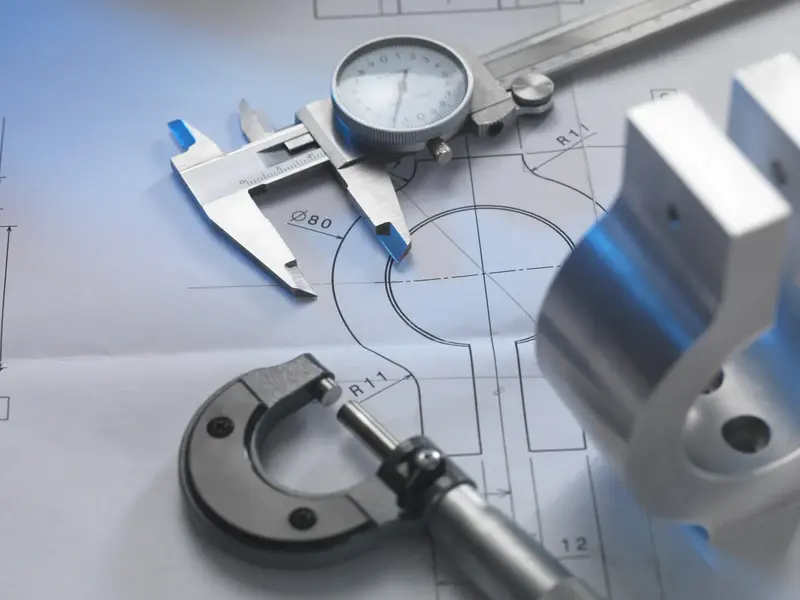
Our technical team collaborates with you to finalize product specifications, ensuring proper fitment, CAN bus compatibility, heater calibration, and mounting thread fit. For clients requiring wholesale NOx sensor branding, we develop logo artwork, packaging designs, and approve samples before mass production begins.
Una vez confirmado el pedido, nuestro equipo de producción programa la fabricación de acuerdo con sus plazos. A lo largo de la producción, mantenemos puntos de control de calidad y podemos proporcionar actualizaciones de progreso e informes de inspección previos al envío si lo solicita.
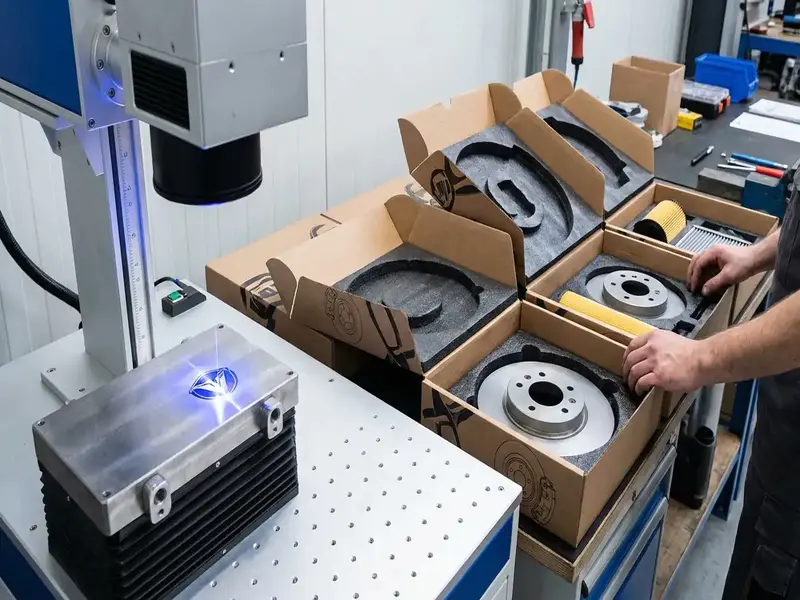
Finished products receive careful packaging suitable for international transport, with options for neutral, branded, or retail-ready presentation. We coordinate shipping via air freight (UPS, DHL, FedEx) or sea freight according to your bulk NOx sensor order requirements, and can work with your preferred freight forwarder.
Tras el envío, proporcionamos información de seguimiento y estamos a su disposición para cualquier pregunta durante el tránsito. Nuestra garantía de un año y un servicio de atención al cliente receptivo garantizan que cualquier problema reciba una atención rápida, manteniendo su confianza en nuestra colaboración.
Conocimientos esenciales para sus clientes y su equipo de asistencia técnica
On-Highway Trucks & Buses: Typically every 300,000 to 500,000 kilometers (180,000 to 300,000 miles), depending on fuel quality, oil consumption, and duty cycle.
Off-Highway & Construction Equipment: Generally every 5,000 to 8,000 operating hours, as higher soot loads and more variable fuel quality accelerate sensor aging.
Diesel Passenger Vehicles: Typically every 160,000 to 200,000 kilometers (100,000 to 125,000 miles).
√Check engine light and MIL illumination with SCR or aftertreatment-related codes (e.g., P2200–P2209, P229E, P229F, P249E, P249F, or manufacturer-specific NOx sensor codes)
√Engine derate (reduced power) or vehicle speed limitation (typically 5–20 mph / 8–30 km/h)
√Increased DEF consumption as the system overdoses trying to compensate for false NOx readings
√Poor fuel economy due to improper engine calibration
√Failed emissions test or inability to regenerate the DPF properly
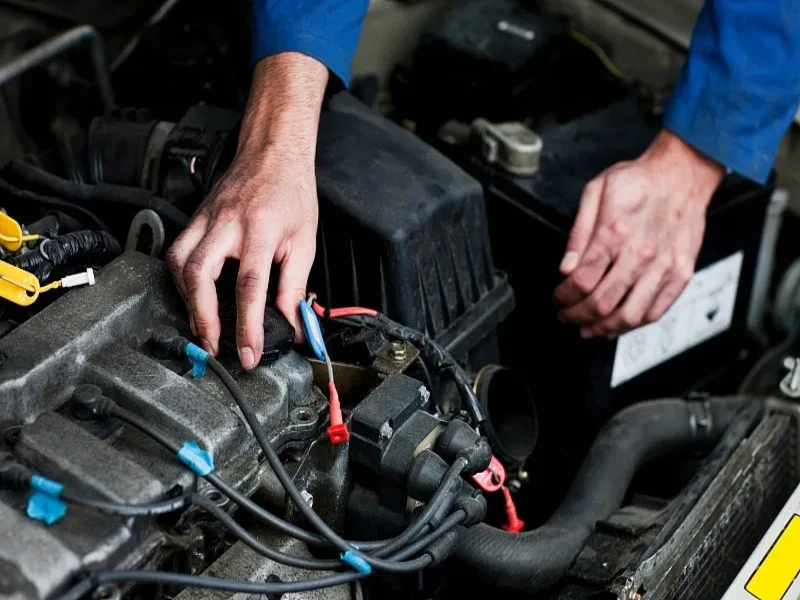
While offering OEM fuel filter replacements, emphasize proper installation practices:
√Ensure the exhaust system is cool before removal — the sensor and exhaust pipe can exceed 500°C
√Never use anti-seize compound on the sensor threads unless specifically approved — anti-seize can contaminate the sensing element or short the heater circuit
√Clean the bung threads using a thread chaser of the correct size (typically M20x1.5)
√Do not overtighten — NOx sensors typically require 40–50 Nm; overtightening can crack the sensor body or strip the bung threads
√Install the new sensor with a new crush washer or gasket (if supplied)
√Route the sensor cable carefully away from exhaust pipes, sharp edges, and moving components — damaged cables are a common cause of aftermarket sensor failure
√Secure the cable with original clips or zip ties to prevent chafing
√Connect the sensor after installation — ensure the connector locks and the seal is intact
NOx sensors face extreme stresses across climates, fuel quality, and engine conditions. Cold winter conditions require the sensor heater to warm up quickly — repeated cold starts accelerate thermal cycling wear. High sulfur fuel (still found in some regions) can poison the catalyst coating on the sensing element, permanently degrading accuracy. Oil blow-by, EGR cooler leaks, or high ash accumulation can coat the sensor tip with deposits, insulating it from exhaust gas and slowing response. Frequent short runs that prevent the SCR system from reaching operating temperature accelerate soot buildup on the sensor. Recommending the use of low-sulfur diesel fuel (15 ppm or less), addressing oil consumption issues, maintaining proper DPF regeneration schedules, and replacing NOx sensors as part of a comprehensive aftertreatment maintenance plan can significantly extend NOx sensor service life.
WhatsApp:+86-13450358058
Tel: +86-13450358058
Correo electrónico: jasmine@zhenhuaauto.com
Dirección: Guangyuan East Road, distrito de Tianhe, ciudad de Guangzhou, provincia de Guangdong, China
Zhenhua Auto Parts
Le ayudamos a vivir mejor