Kontaktieren Sie uns kostenlos:
Sprechen Sie mit unseren Experten in 1 Minute
Angebotserstellung innerhalb von 1 Stunde
Jetzt anfragen

Professional Ignition Coils Manufacturer & Supplier

19 Jahre Erfahrung | Eigene Fabrik | OEM/ODM/Free Laser Marking unterstützt

Produktkategorie

Kontakt

Bitte aktivieren Sie JavaScript in Ihrem Browser, um dieses Formular auszufüllen.

What is an Ignition Coil?

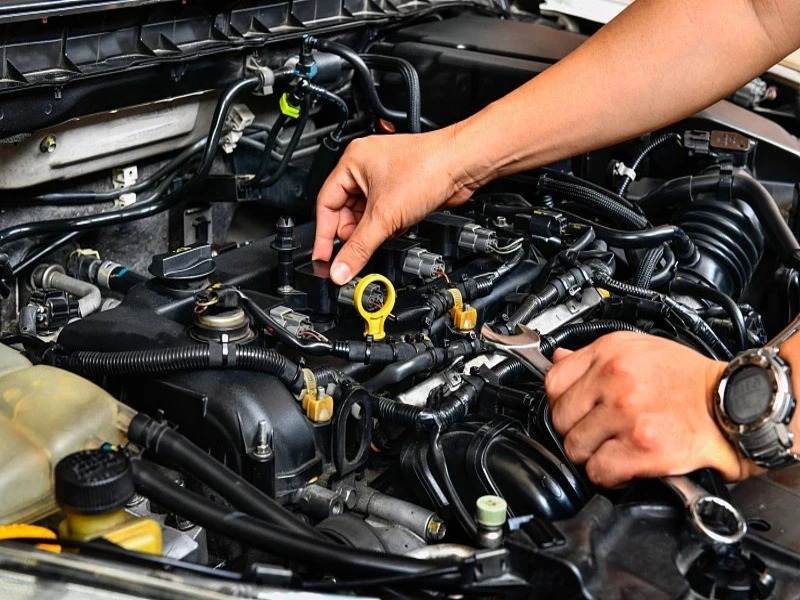
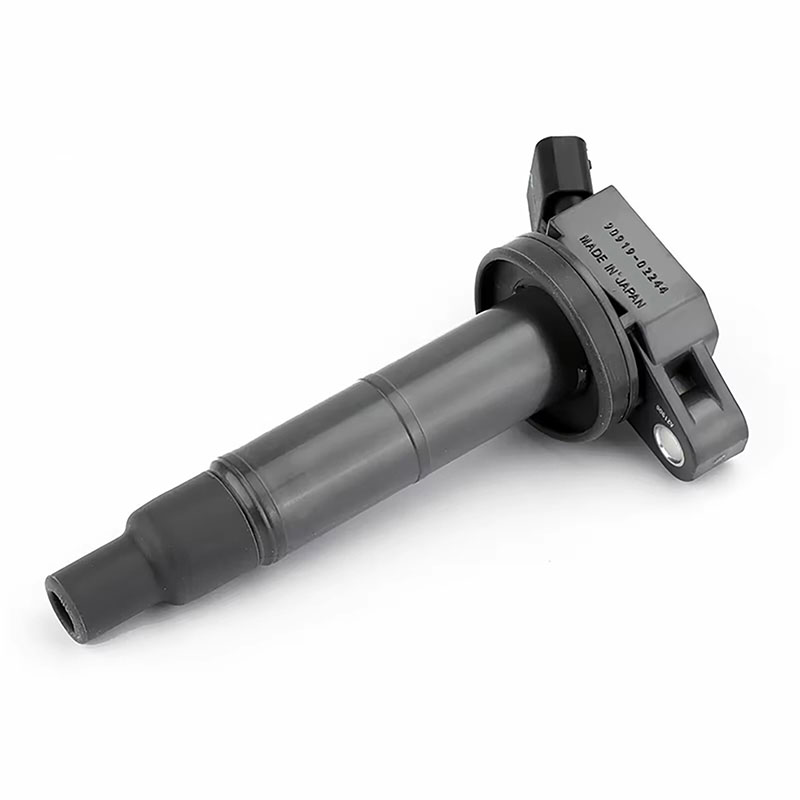
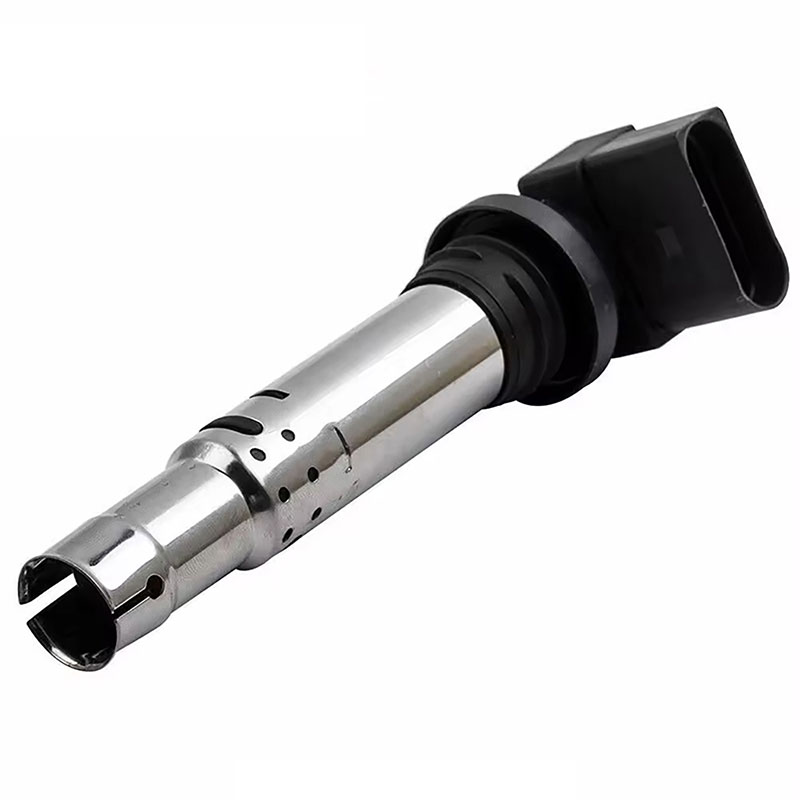
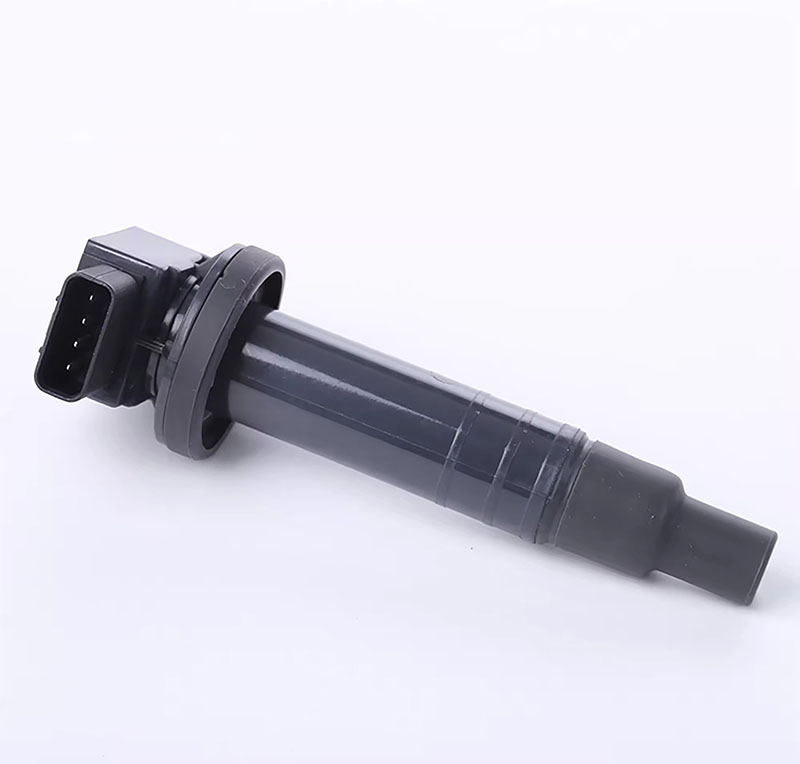
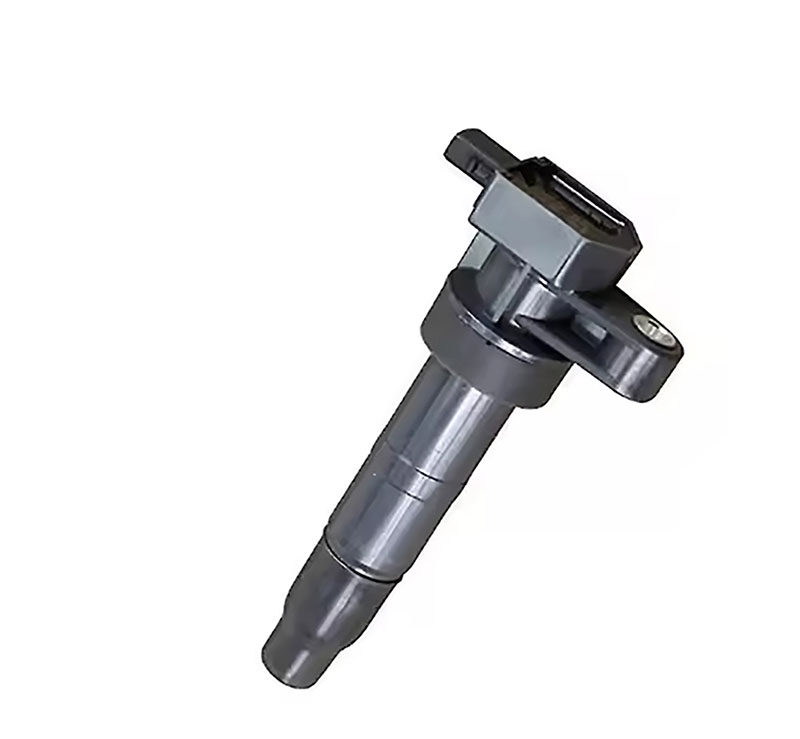
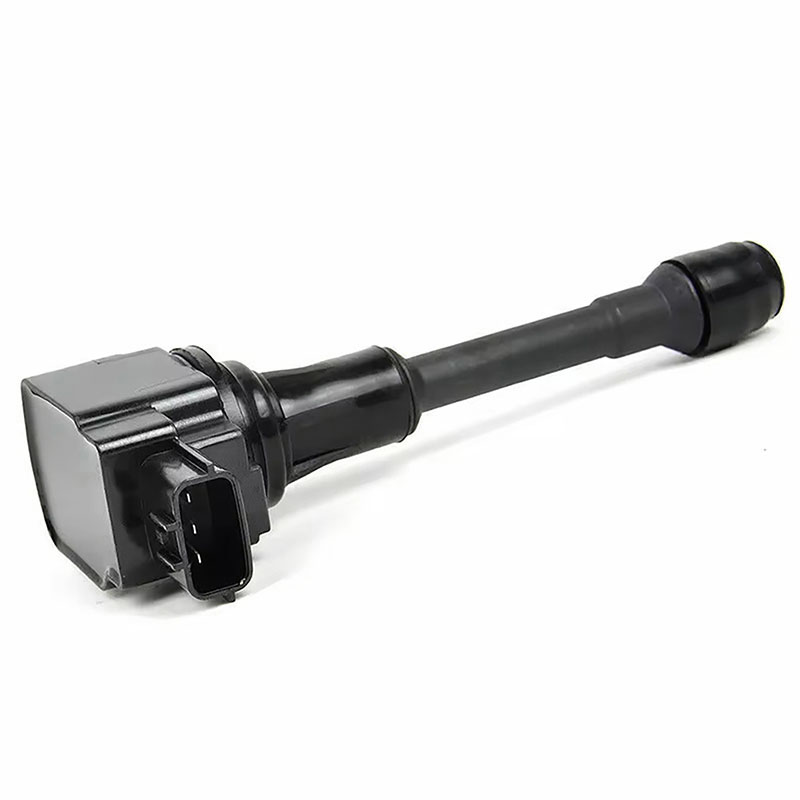
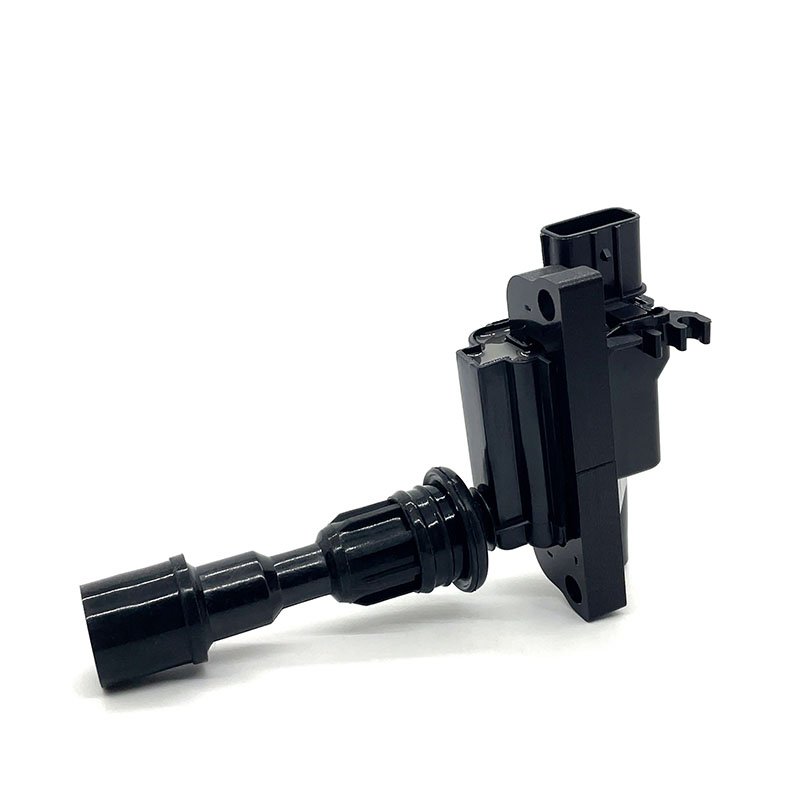
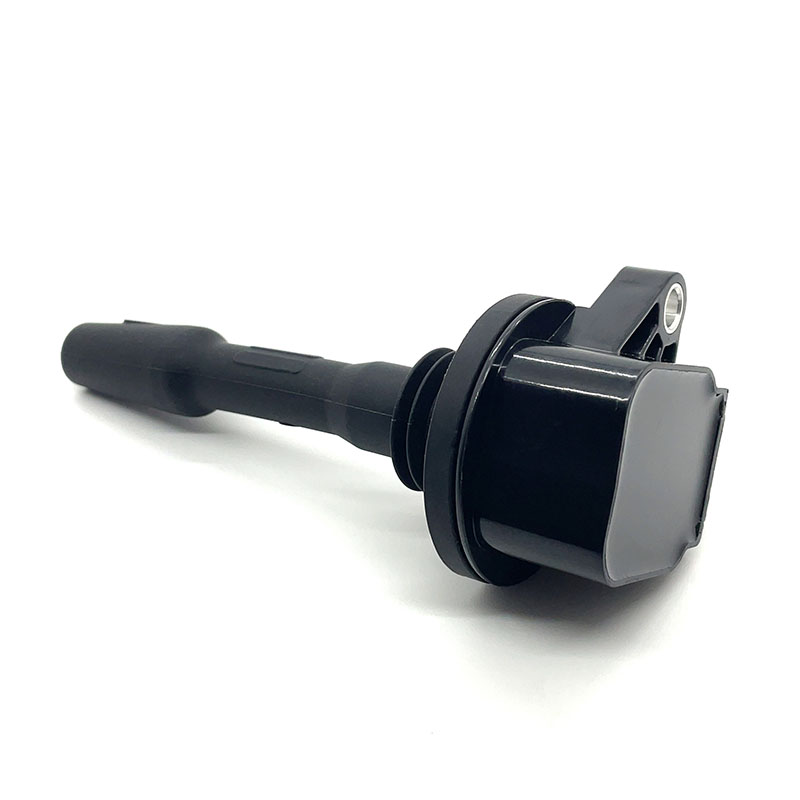
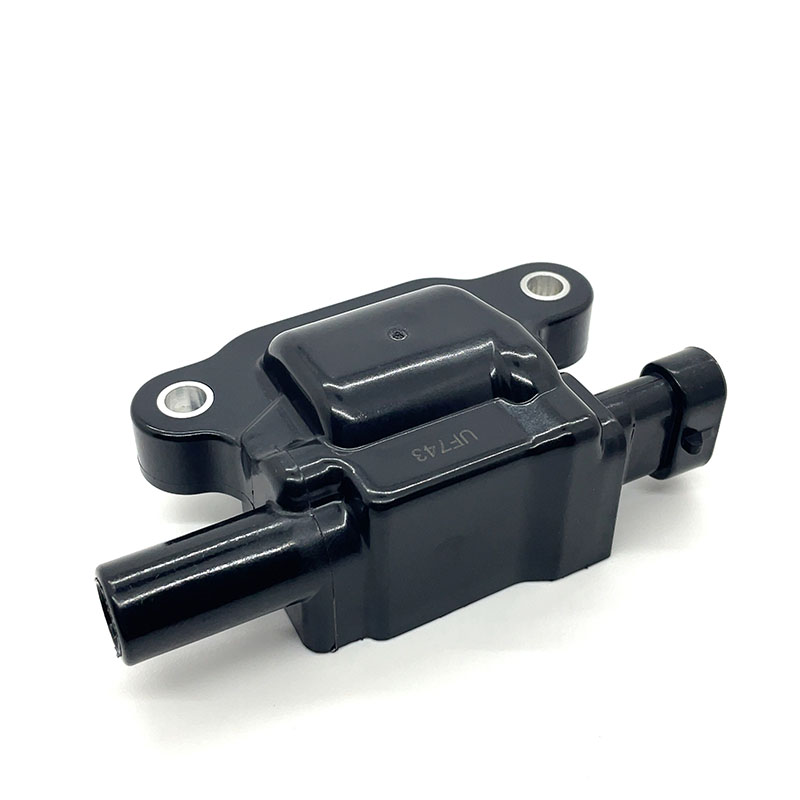
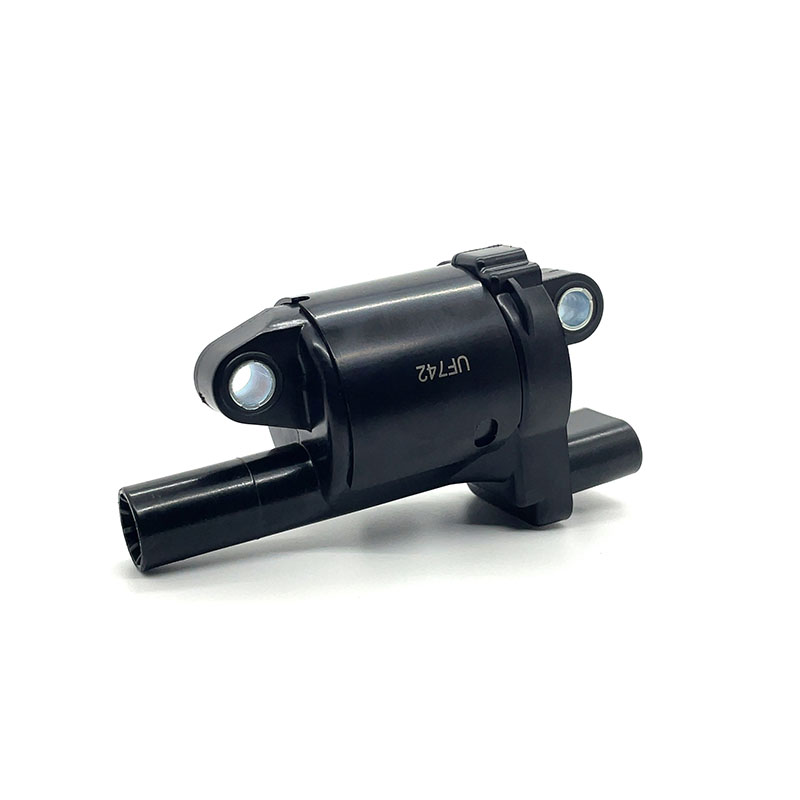
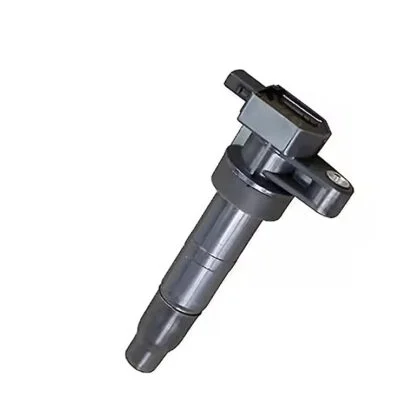
An ignition coil is your engine’s essential voltage step-up component, converting the vehicle’s 12-volt battery power into the high voltage (20,000–50,000 volts) needed to create a spark across the spark plug gap. Mounted directly above the spark plug in coil-on-plug (COP) systems or connected via spark plug wires in distributor-based systems, it delivers precisely timed electrical energy to ignite the air-fuel mixture in each cylinder — directly impacting engine performance, fuel efficiency, emissions, and starting reliability. Modern high-compression and turbocharged engines make reliable ignition more important than ever.

As a professional ignition coil manufacturer and supplier since 2007, YZHIDIANF combines 19 years of expertise with our own 3,000+ m² manufacturing facility to deliver precision-engineered ignition solutions. We serve global clients requiring OEM ignition coil replacements, custom ignition coil development, and competitive wholesale or bulk orders — all backed by integrated production, strict quality control, and responsive support for B2B partners worldwide.

Zündspulen

Why Choose YZHIDIANF as Your Ignition Coil Manufacturer

Precision That Fires Every Cylinder Every Time

A weak or inconsistent spark causes misfires, rough idle, and lost power. YZHIDIANF manufactures ignition coils using high-grade copper windings, premium magnetic cores, and precision epoxy encapsulation that delivers consistent spark energy from cold start to redline. Each ignition coil is tested for primary and secondary resistance, turns ratio, and insulation integrity — ensuring the spark plug receives full energy at every firing event.

Built for Under-Hood Extremes

The engine compartment is hot, vibrating, and electrically noisy. YZHIDIANF builds ignition coilswith high-temperature housings (rated to 150°C+) and fully potted internal components that resist oil vapor, moisture, and thermal cycling. Every ignition coil is tested for dielectric strength, thermal shock resistance, and vibration endurance — so it keeps firing long after lesser coils have cracked or failed.

OE-konforme Form, Passform und Funktion

A replacement ignition coil must match the original impedance, dwell time, and output characteristics. YZHIDIANF reverse-engineers OEM samples to manufacture ignition coils that bolt into factory locations, use identical connector pinouts, and deliver the exact spark energy required by the engine management system. No modifications, no misfire codes, no check engine lights caused by coil mismatch.

Zuverlässige Versorgung für globale Kunden

Whether you need ignition coils for a single repair or bulk orders for export, YZHIDIANF delivers consistent quality and volume. Our ignition coil production line runs ISO-certified processes, with each unit tested for resistance, spark energy output, and high-voltage withstand before shipping. Wholesale an ignition coil from YZHIDIANF — and get the same reliability order after order.

Custom Ignition Coils Services

Tailored Ignition Solutions for Your Brand and Technical Requirements

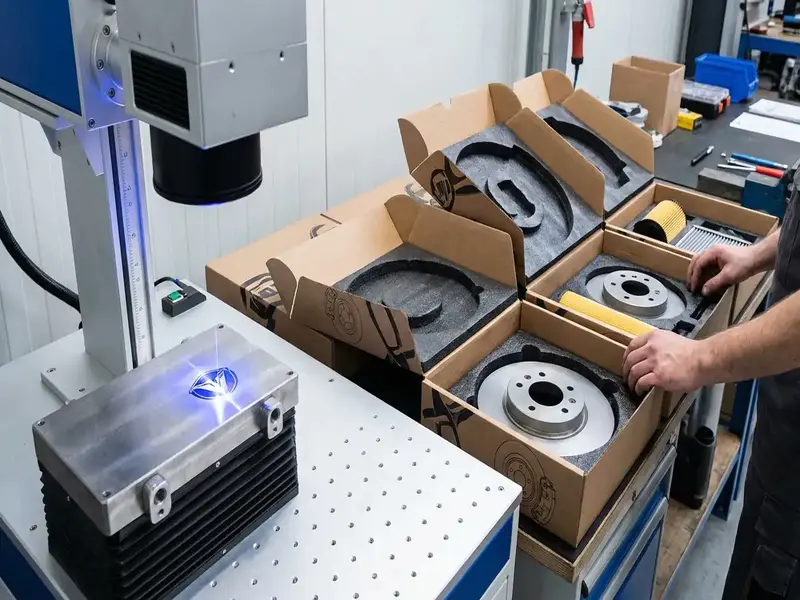
As a leading custom ignition coil manufacturer, YZHIDIANF offers comprehensive personalization options that enable you to differentiate your brand in the marketplace while meeting specific technical specifications.

Markenanpassung

Dienstleistungen zur Markenanpassung

Technische Anpassungsmöglichkeiten

Kundenspezifische Spezifikation
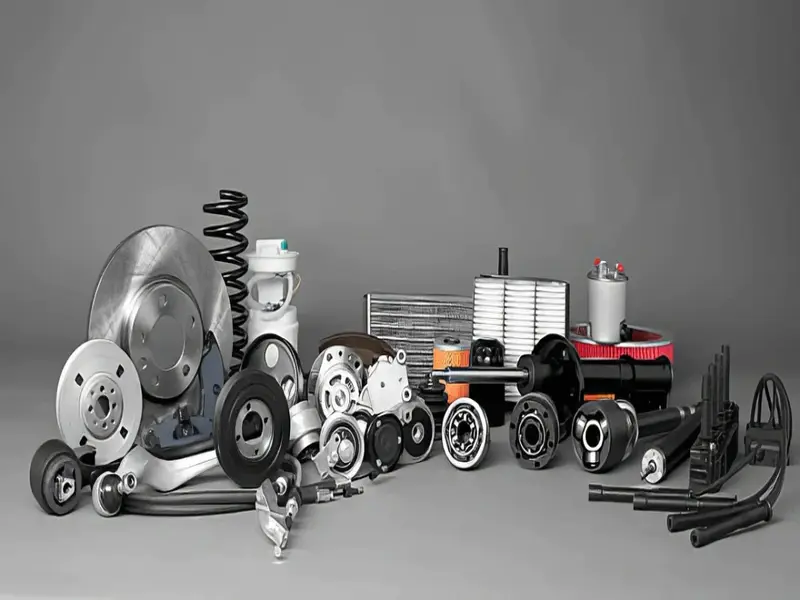
Autoteile-Sammlung

Flexibilität bei der Mindestbestellmenge

Zusammenarbeits-Prozess

Straffe Partnerschaft von der Anfrage bis zur laufenden Unterstützung

Working with YZHIDIANF as your ignition coil manufacturer follows a transparent, efficient process designed to make international collaboration straightforward and successful.

Schritt 1: Anfrage und Angebot

Contact us with your requirements, including vehicle applications, estimated annual volumes, and any special requests for custom ignition coil or OEM ignition coil specifications. We respond within 24 hours with competitive pricing, product recommendations, and samples availability information.

Schritt 2: Produkt- und Markenbestätigung

Our technical team collaborates with you to finalize product specifications, ensuring proper fitment and performance. For clients requiring wholesale ignition coil branding, we develop logo artwork, packaging designs, and approve samples before mass production begins.

Schritt 3: Auftragsabwicklung und Produktion

Nach der Auftragsbestätigung plant unser Produktionsteam die Fertigung entsprechend Ihrem Zeitplan. Während der gesamten Produktion führen wir Qualitätskontrollen durch und können Ihnen auf Wunsch aktuelle Informationen über den Fortschritt und Inspektionsberichte vor der Auslieferung zur Verfügung stellen.

Schritt 4: Sichere Verpackung und Versand

Finished products receive careful packaging suitable for international transport, with options for neutral, branded, or retail-ready presentation. We coordinate shipping via air freight (UPS, DHL, FedEx) or sea freight according to your bulk ignition coil order requirements, and can work with your preferred freight forwarder.

Schritt 5: Lieferung und Kundendienst

Nach dem Versand stellen wir Ihnen Informationen zur Sendungsverfolgung zur Verfügung und stehen Ihnen bei Fragen während des Transports zur Verfügung. Unsere einjährige Garantie und unser reaktionsschneller Kundendienst sorgen dafür, dass alle Probleme umgehend bearbeitet werden und Ihr Vertrauen in unsere Partnerschaft erhalten bleibt.

Ignition Coil Maintenance Guide

Unverzichtbares Wissen für Ihre Kunden und Ihr technisches Supportteam

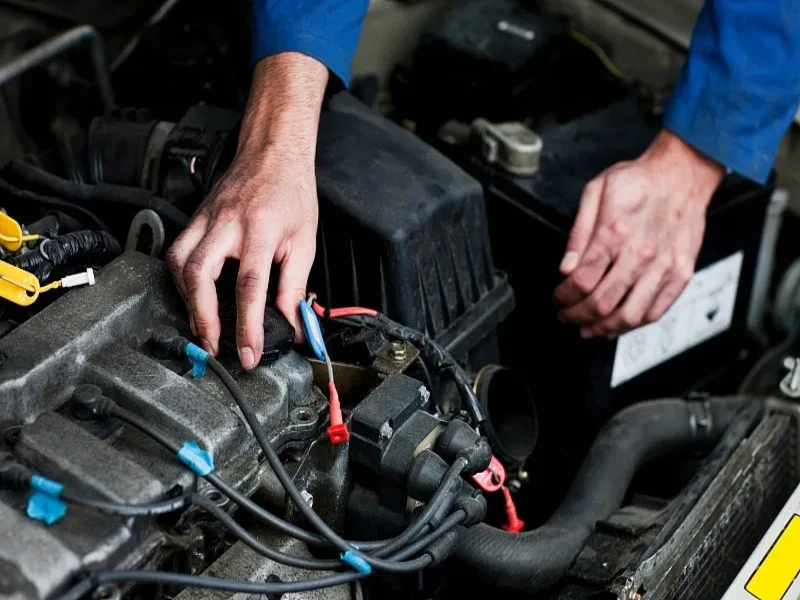
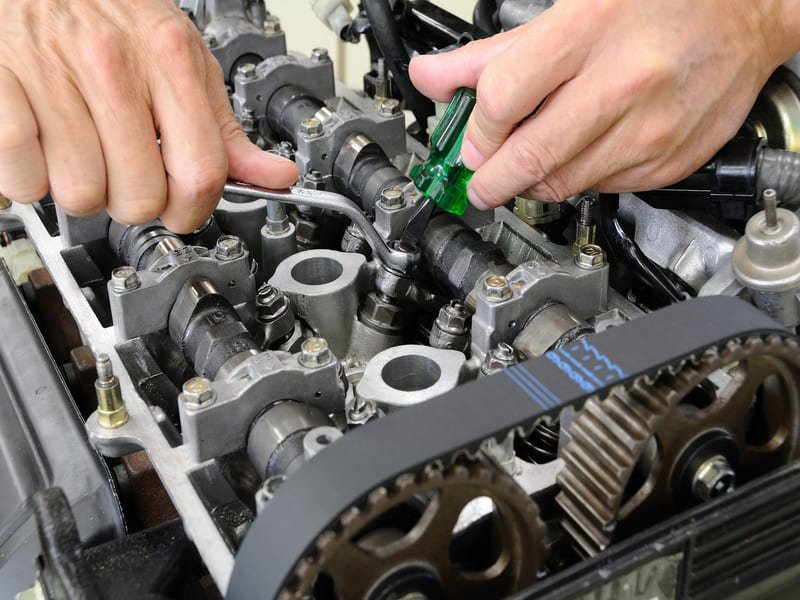
Wartung von Autoteilen

Empfohlene Austauschintervalle

Conventional Ignition Coils (Single-coil systems): Typically every 60,000 to 80,000 miles (100,000 to 130,000 kilometers), though many last longer with proper maintenance
Coil-On-Plug (COP) Systems: Individual ignition coils generally last 80,000 to 120,000 miles (130,000 to 190,000 kilometers). However, a single failing ignition coil often leads to replacing all units on high-mileage vehicles.
High-Performance Applications: More frequent replacement recommended due to higher spark energy demands and increased cylinder pressures in modified or forced-induction engines Some performance ignition coils are designed as maintenance items with shorter service intervals

Wartung von Autoteilen

Anzeichen einer Kraftstofffilterverstopfung

Check engine light illumination with misfire codes (P0300–P0308 specific to cylinders)

Engine misfire, rough idle, or hesitation during acceleration

Hard starting or no-start condition (complete coil failure)

Reduced fuel economy and noticeable power loss

Secondary ignition components damage (spark plugs, wires) due to excessive coil output

Wartung von Autoteilen

Tipps für den professionellen Einbau

While offering OEM ignition coil replacements, emphasize proper installation practices:

Always replace spark plugs when replacing ignition coils on high-mileage vehicles — worn plugs put additional stress on coils
Apply dielectric grease to the inside of the spark plug boot to prevent moisture intrusion and ease future removal of the ignition coil
Never use sealant or lubricant on electrical connectors — clean, dry connections are essential for ignition coil signal integrity
Torque ignition coil mounting bolts to manufacturer specifications (typically 8–12 Nm) — over-tightening can crack the housing
Clear diagnostic trouble codes after replacement and test drive to verify misfire monitor readiness

Wartung von Autoteilen

Saisonale Erwägungen

For markets with seasonal temperature variations, remind customers that ignition coils are vulnerable to moisture intrusion during freeze-thaw cycles. Condensation inside the spark plug tube can cause tracking across the ignition coil boot, leading to misfires on cold, damp mornings. Inspecting ignition coil boots and applying dielectric grease before winter can prevent moisture-related ignition failures.

Hilfe-Center

FAQ

Q: Can I drive with a bad ignition coil?
A: You can drive with a failing ignition coil, but it is not recommended. A bad ignition coil causes misfires that can damage the catalytic converter with unburned fuel, reduce fuel economy, and cause rough running. In multi-cylinder engines, the vehicle may continue to run on remaining cylinders, but continued driving with a failed ignition coil risks expensive catalytic converter damage. Replace a bad ignition coil as soon as possible.
A: On older vehicles with high mileage (80,000+ miles), replacing all ignition coils as a set is recommended. When one ignition coil fails, the remaining ignition coils have similar age and wear. Replacing all coils at once saves labor costs and prevents future failures. On newer vehicles with low mileage, replacing only the failed ignition coil is acceptable, but keep spare ignition coils for other cylinders.
A: An ignition coil works like a miniature transformer. The primary winding (100–200 turns of heavy copper wire) receives 12-volt current from the battery. When the engine control unit (ECU) interrupts this current, the magnetic field collapses across the secondary winding (15,000–30,000 turns of fine wire), inducing high voltage (20,000–50,000 volts) at the output terminal. This high voltage travels through the spark plug wire or directly from the ignition coil to the spark plug, creating the spark that ignites the air-fuel mixture.
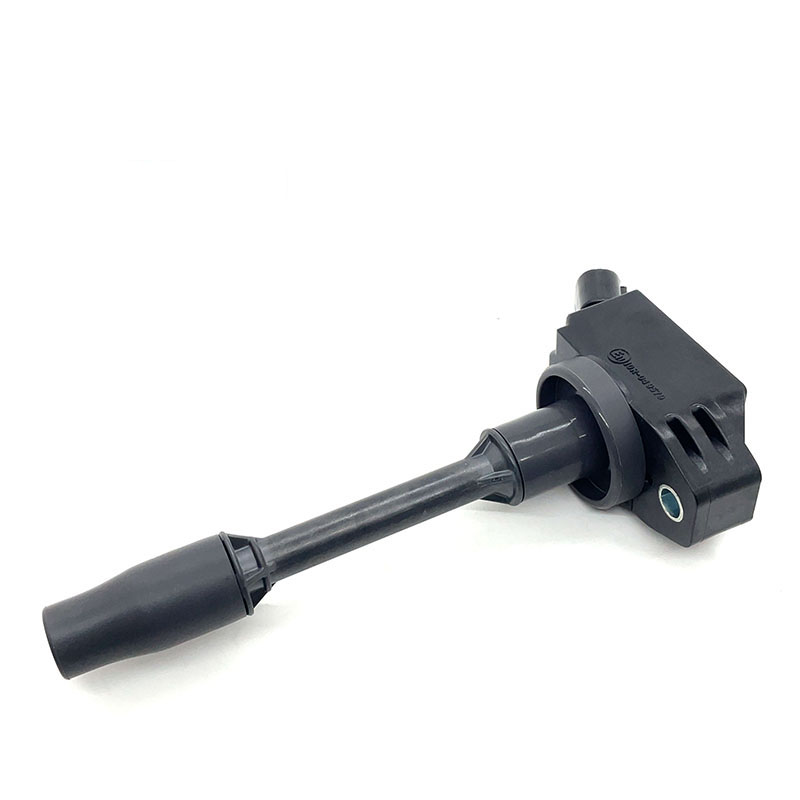
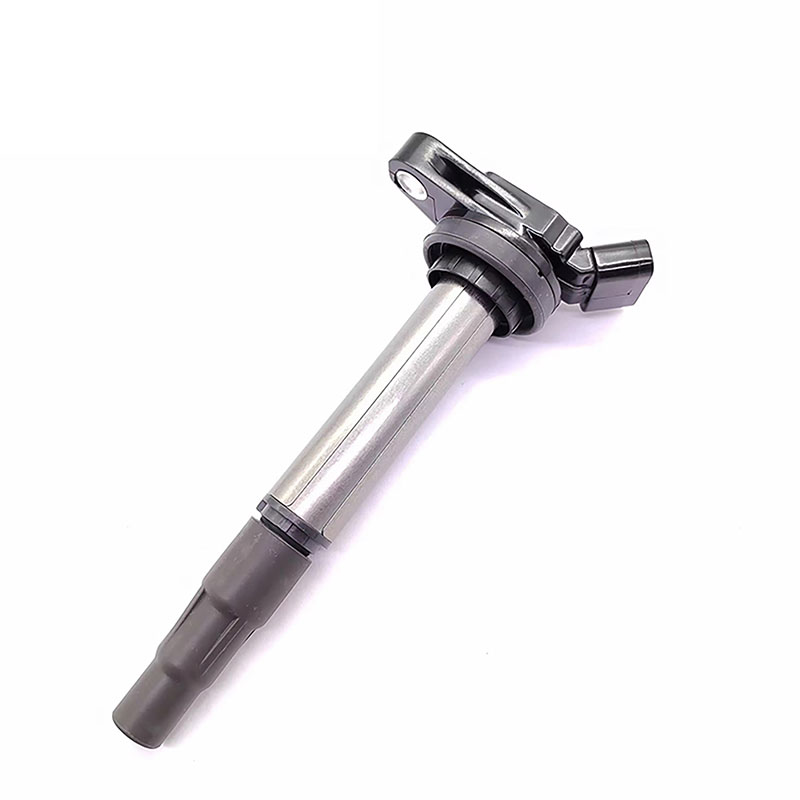
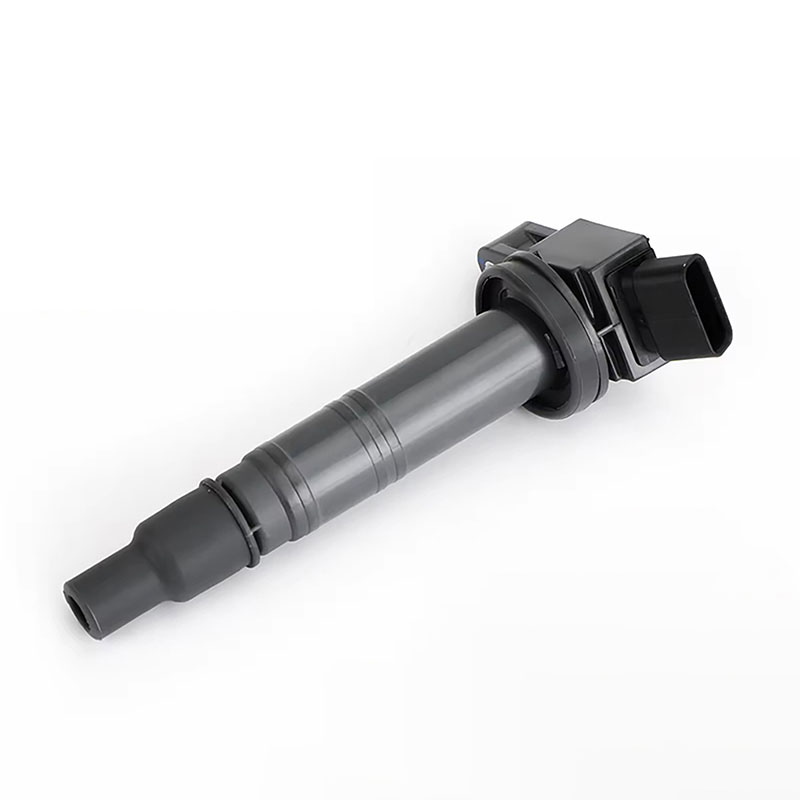
A: The main types of ignition coils include: canister-style coils (older distributor systems), coil packs (multiple coils in one housing for waste-spark systems), and coil-on-plug (COP) ignition coils(individual coil mounted directly above each spark plug). COP ignition coils are most common on modern vehicles because they eliminate spark plug wires and provide the most consistent spark energy to each cylinder.
A: To test an ignition coil with a multimeter, first disconnect electrical connectors and remove the coil. Set the multimeter to ohms (Ω). Measure primary resistance between the positive (+) and negative (-) terminals — typically 0.3–2.0 ohms depending on the ignition coil design. Measure secondary resistance between the output tower and either primary terminal — typically 5,000–15,000 ohms. If resistance values are out of specification or show open/short circuits, replace the ignition coil. Note that some modern ignition coils cannot be accurately tested with a multimeter and require specialized diagnostic equipment.

Kontakt

Bitte aktivieren Sie JavaScript in Ihrem Browser, um dieses Formular auszufüllen.

WhatsApp:+86-13450358058

Tel: +86-13450358058

E-Mail: jasmine@zhenhuaauto.com

Adresse: Guangyuan East Road, Bezirk Tianhe, Guangzhou City, Provinz Guangdong, China

ce-Symbol

在此添加您的标题文本