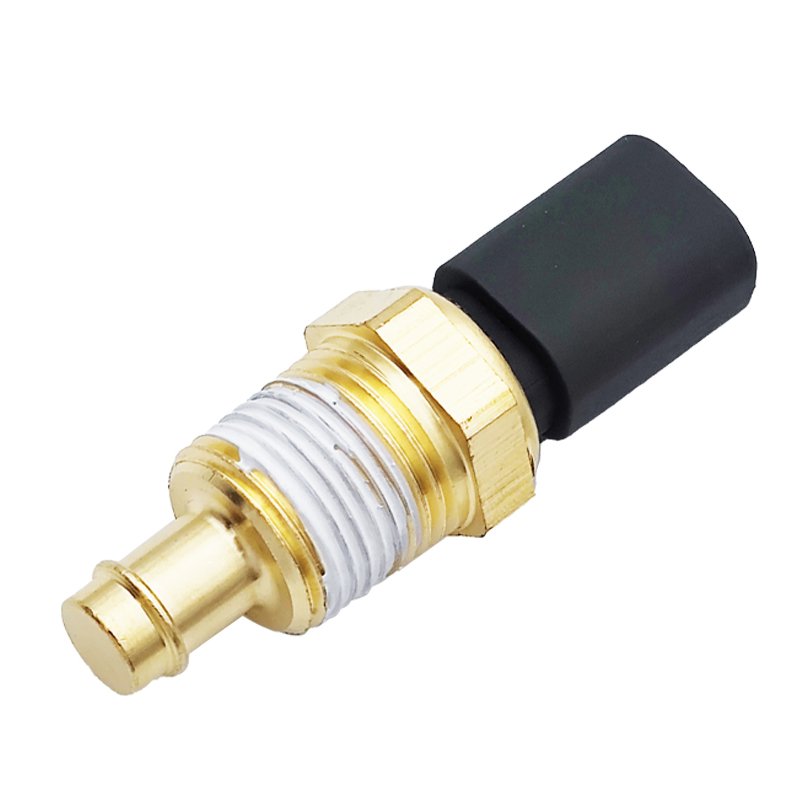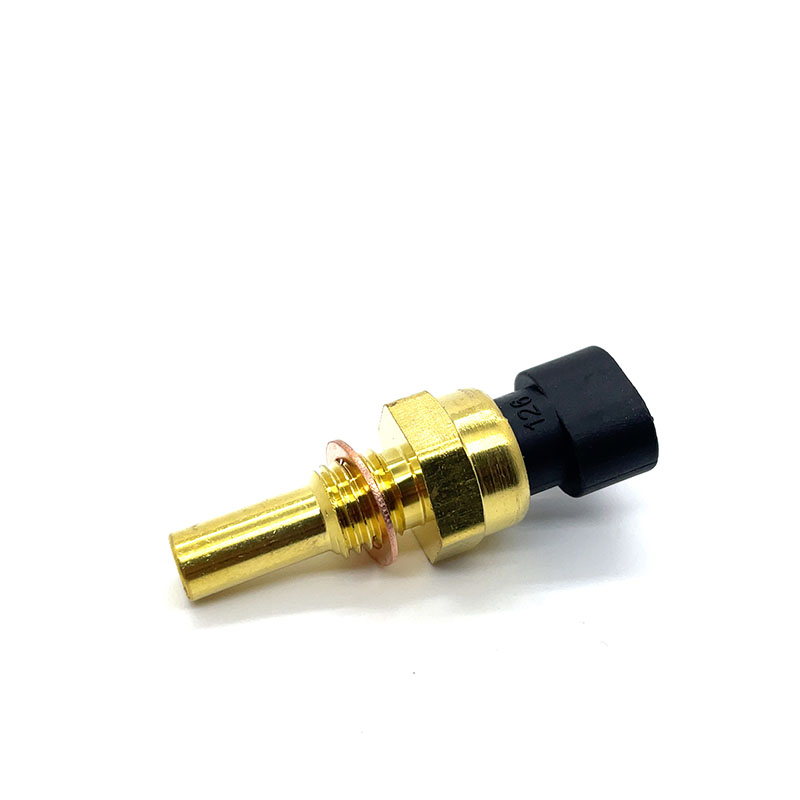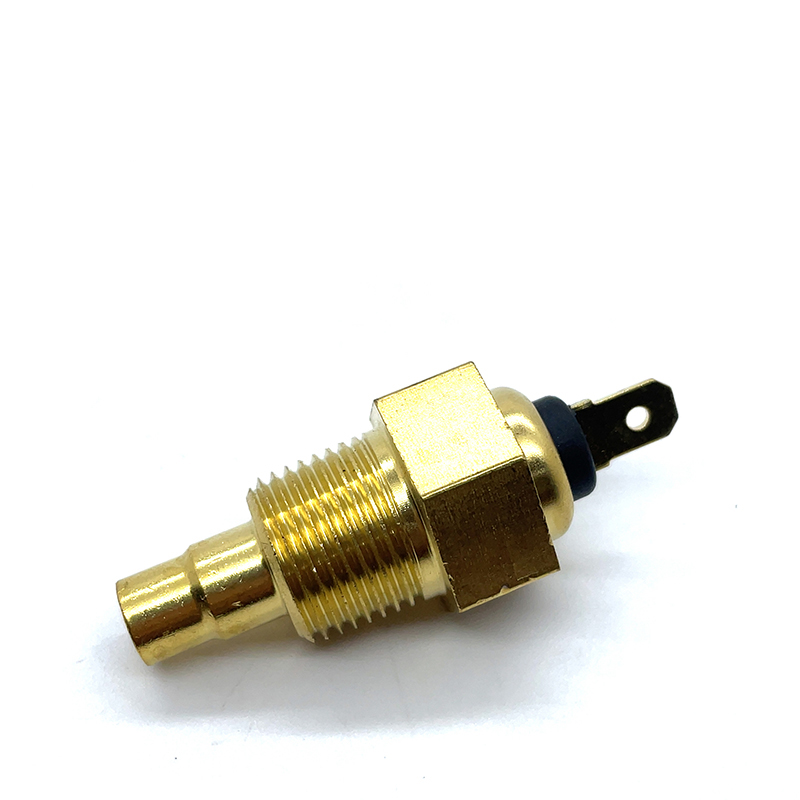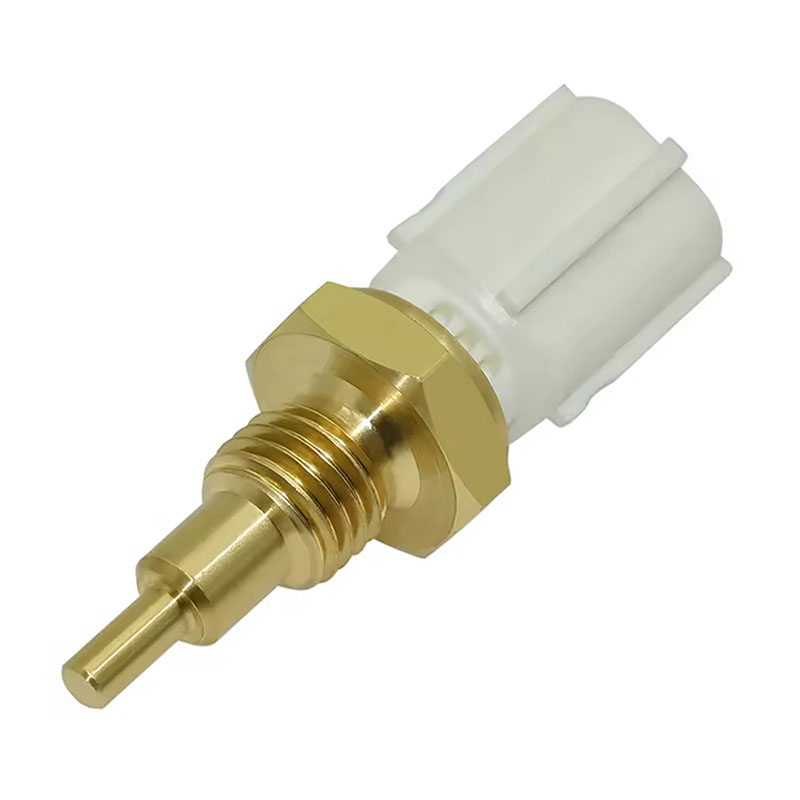
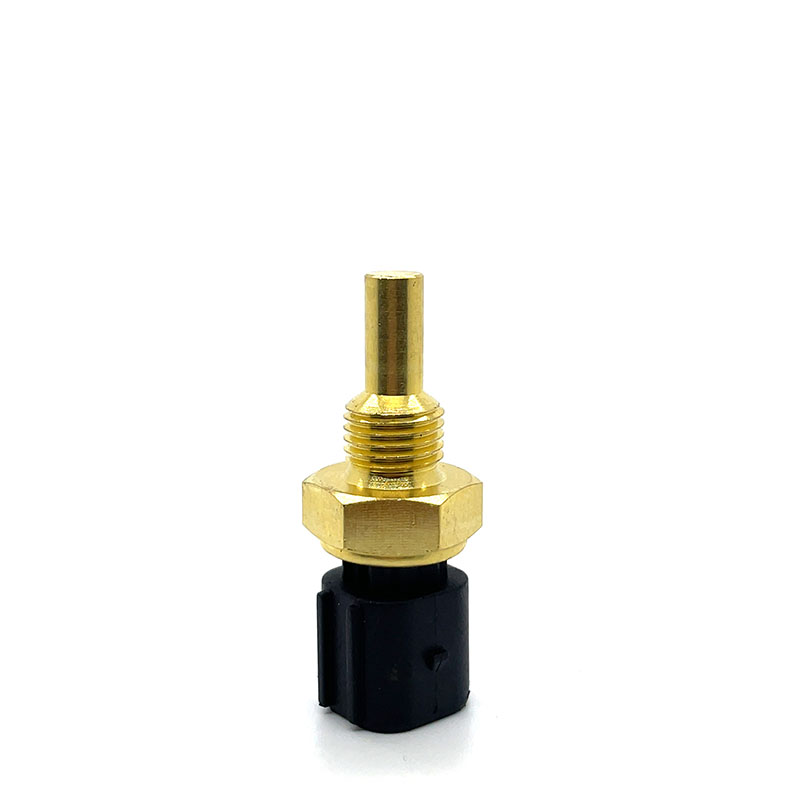
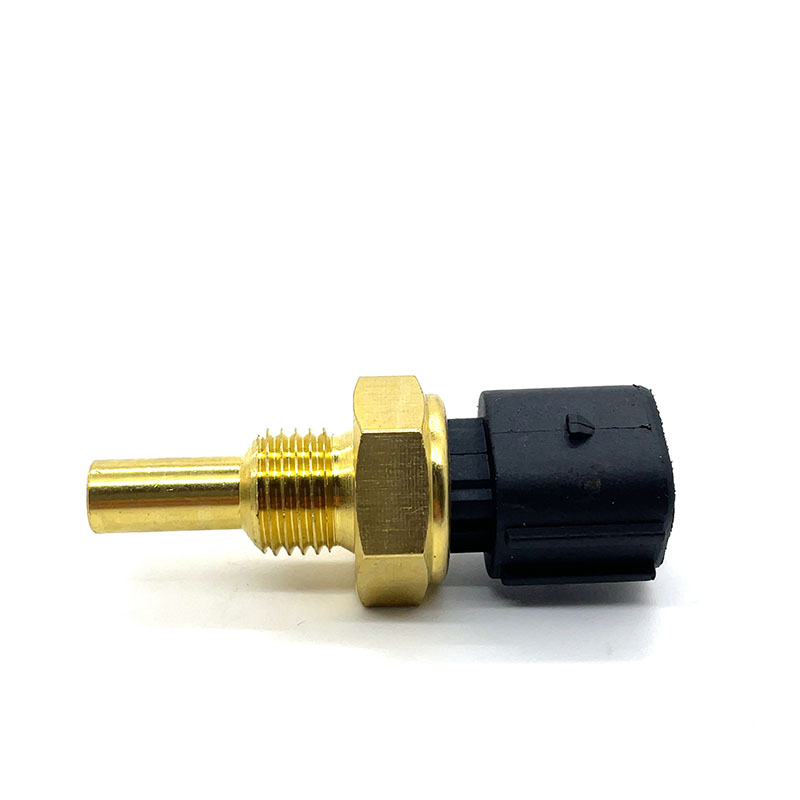
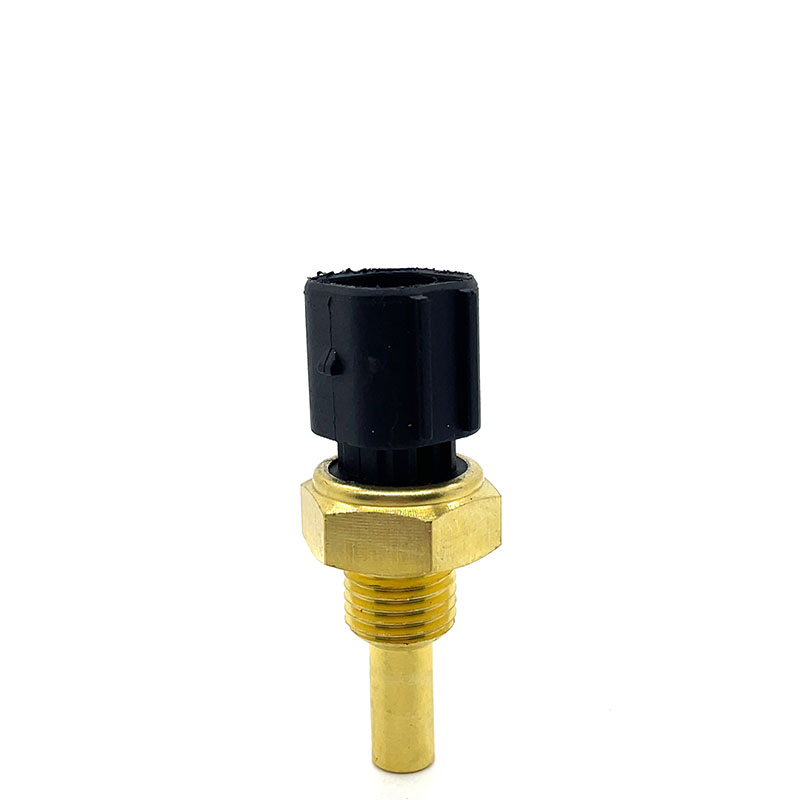
Introduction to Automotive Engine Sensor 2D0919369 0115425117 115425117
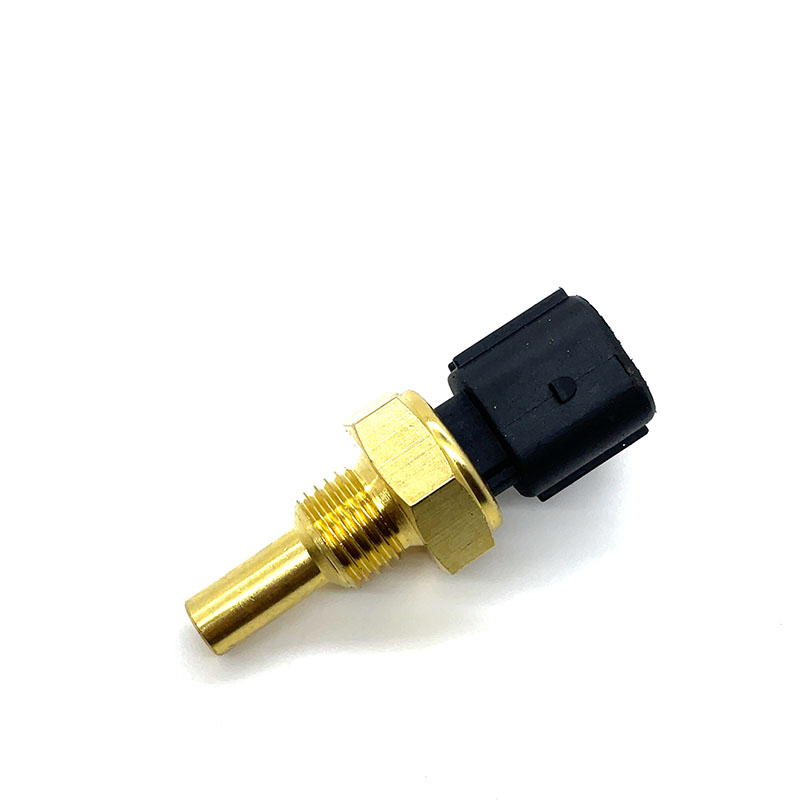
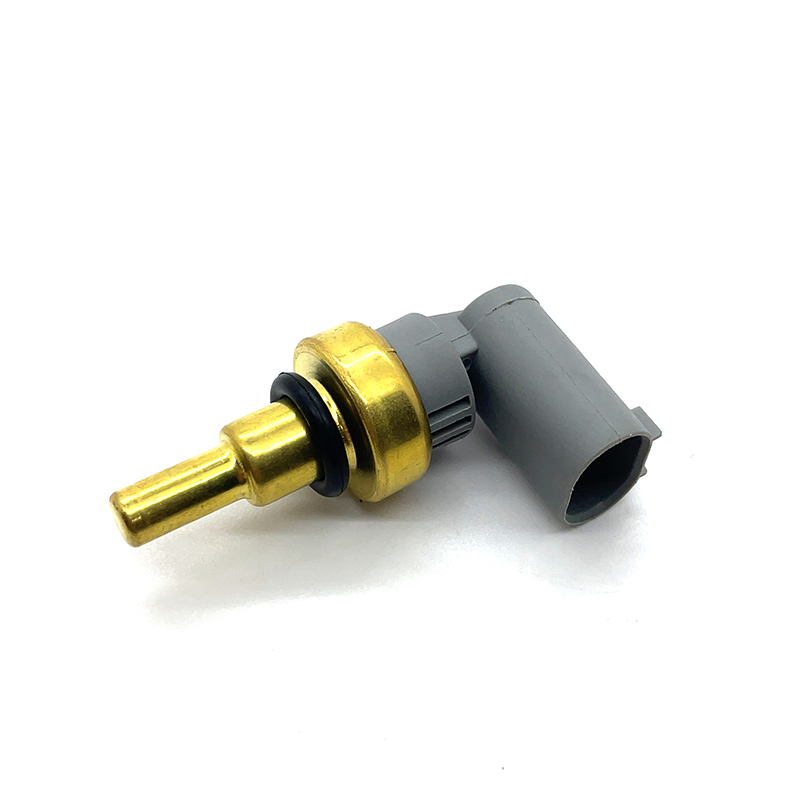
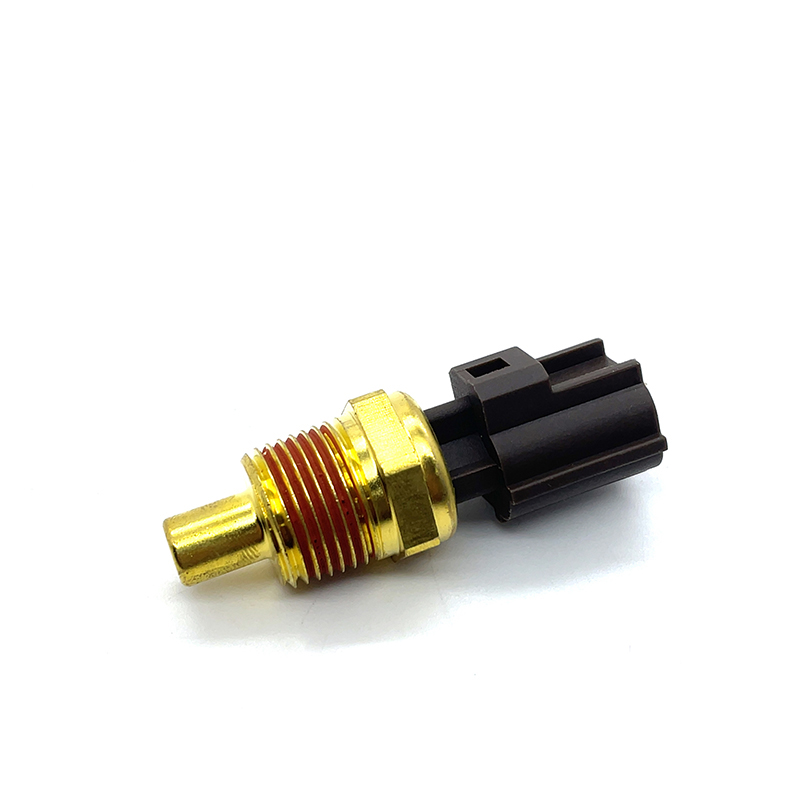
The YZHIDIANF automotive engine sensor cross-referencing OE numbers 2D0919369, 0115425117, and 115425117 is a direct replacement for Mercedes-Benz coolant temperature monitoring. An NTC thermistor sealed in a corrosion-resistant housing feeds real-time coolant temperature to the engine ECU for cold-start enrichment, fuel mapping, and radiator fan control. Mercedes ECUs rely on accurate temperature data to phase out enrichment and adjust ignition timing during warm-up. A drifting automotive engine sensor causes rich running, elevated fuel consumption, and P0115–P0119 fault codes. This plug-and-play unit restores accurate temperature data with no wiring modifications.
Parameter Table of Automotive Engine Sensor 2D0919369 0115425117 115425117
| Параметр | Подробности |
| Номер детали | 2D0919369 / 0115425117 / 115425117 |
| Бренд | YZHIDIANF |
| Тип | Automotive Engine Sensor |
| Technology | NTC thermistor |
| Vehicle Applications | Мерседес-Бенц |
| Housing Material | Corrosion-resistant engineering plastic |
| Тип разъема | Герметичный разъем, соответствующий стандарту OEM |
| Operating Temperature Range | -40°C to 150°C (-40°F to 302°F) |
| Response Time | Instant signal on temperature change |
| Гарантия | 12 месяцев |
| Время доставки | 3–7 дней |
| Условия оплаты | T/T, Western Union, PayPal |
Why Choose Our Automotive Engine Sensor 2D0919369 0115425117 115425117
OE Resistance Curve Accuracy
The NTC thermistor tracks the resistance-to-temperature profile specified by Mercedes for this engine management input. Fuel enrichment during cold start and ignition timing through the warm-up phase both depend on accurate data. An automotive engine sensor that reads a few degrees off keeps the ECU in enrichment longer than necessary, burning extra fuel on every cold start.
Sealed for Engine Bay Conditions
The connector body uses a rubber gasket to block moisture, oil mist, and road grime from the electrical contacts. Internal components are corrosion-resistant. This automotive engine sensor maintains stable output through seasonal temperature swings, engine bay humidity, and pressure-wash exposure.
Three-Way OE Cross-Reference
Part numbers 2D0919369, 0115425117, and 115425117 all reference the same Mercedes coolant temperature sensor. Whether your existing part is labeled under one OE system or another, this automotive engine sensor matches all three. One part number on your shelf covers multiple Mercedes catalog entries.
Plug-and-Play Installation
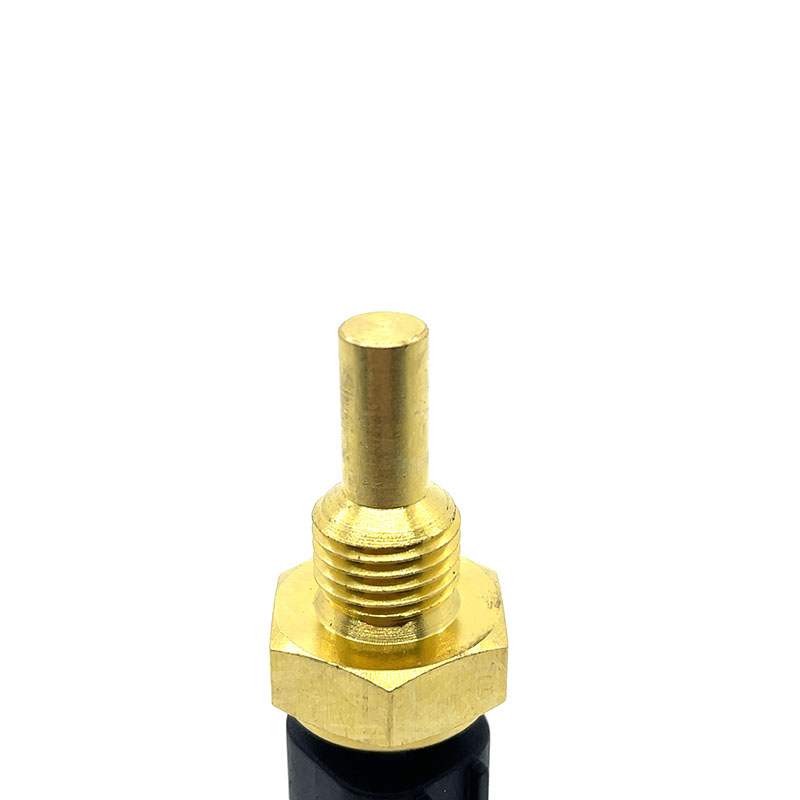
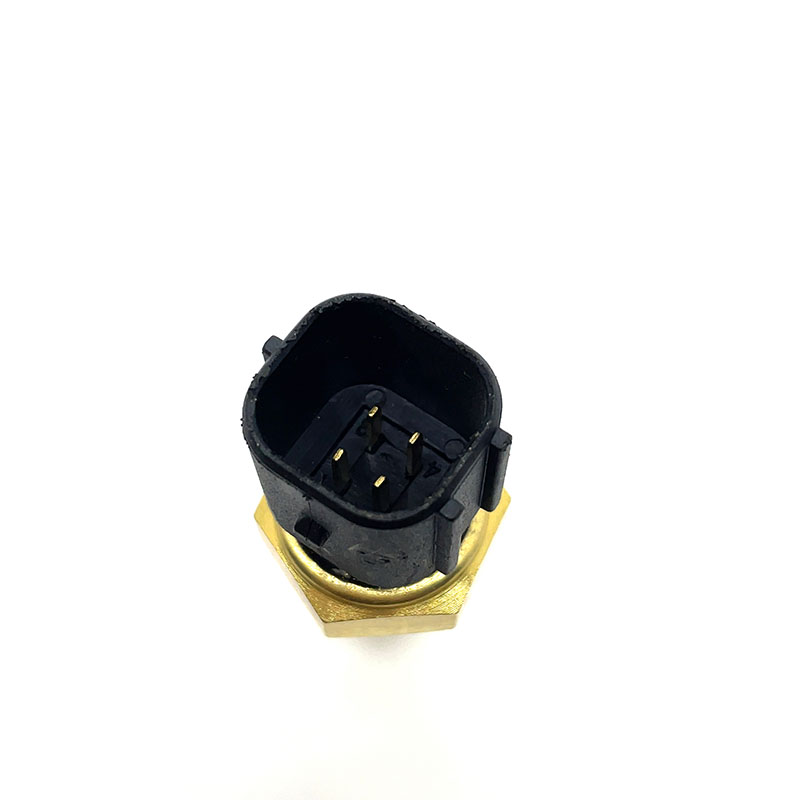
Connector shell, pin layout, thread pitch, and O-ring seat match the factory Mercedes part. Remove the old automotive engine sensor, thread in the new one, and connect the plug. No splicing, no adapter harnesses, no coding required. The ECU reads the new sensor immediately.
Batch-Verified Production
Each production lot is tested at multiple temperature checkpoints against the OE resistance specification. Units that fall outside tolerance do not ship. When you order this automotive engine sensor for workshop stock, every sensor on the shelf performs identically.
12-Month Warranty
Every YZHIDIANF automotive engine sensor includes a 12-month warranty against manufacturing defects. Orders ship within 24 hours and deliver in 3 to 7 business days via DHL, FedEx, UPS, or TNT.
Центр помощи
ЧАСТО ЗАДАВАЕМЫЕ ВОПРОСЫ
Q1: Will a bad automotive engine sensor cause my Mercedes to fail an emissions test?
Yes. A sensor reading falsely cold causes the ECU to run a rich mixture. Elevated hydrocarbon and carbon monoxide levels in the exhaust are measured directly during emissions testing. If your Mercedes has a pending P0115–P0119 fault code, replace the automotive engine sensor before the test. After installation, complete a full warm-up drive cycle so the ECU can run its readiness monitors.
Q2: How is this automotive engine sensor different from the Mercedes temperature sender for the instrument cluster?
Mercedes vehicles often use two separate components: an automotive engine sensor feeding data to the ECU for fuel and ignition control, and a separate temperature sender for the dash gauge. If the gauge reads incorrectly but the engine runs fine, suspect the sender. If fuel economy drops and fault codes appear, replace this automotive engine sensor.
Q3: How do I test this automotive engine sensor before replacing it?
Back-probe the connector with a multimeter set to resistance. At approximately 20°C ambient, a healthy sensor reads between 2,000 and 3,000 ohms. Start the engine and watch the resistance drop steadily as the coolant warms. A reading that jumps erratically, stays fixed, or shows an open circuit indicates a failed automotive engine sensor. Cross-check the multimeter reading against the scan tool live data. If the ECU reports -40°C while the multimeter reads 2,500 ohms, the fault is in the wiring or ECU.